
As advancements in artificial intelligence (AI) continue to evolve at a rapid pace, significant concern has arisen regarding the implications for the workforce across the United States. In response to these anxieties, lawmakers in Washington have introduced a series of legislative proposals aimed at cushioning potential job displacement caused by AI. Among these efforts is a newly proposed bill aimed at extending unemployment benefits and providing education and retraining for affected workers. This article delves into specific legislative measures that aim to address the fears surrounding AI-induced job losses, revisiting the perspectives of tech leaders and public sentiment on the issue.
| Article Subheadings |
|---|
| 1) The Stability and Opportunity for Workers Act |
| 2) Proposed Taxation Strategies for AI Companies |
| 3) Impacts of AI on Employment and Unemployment Rates |
| 4) The Importance of Worker Protections |
| 5) Legislative Measures in Responses to AI Concerns |
The Stability and Opportunity for Workers Act
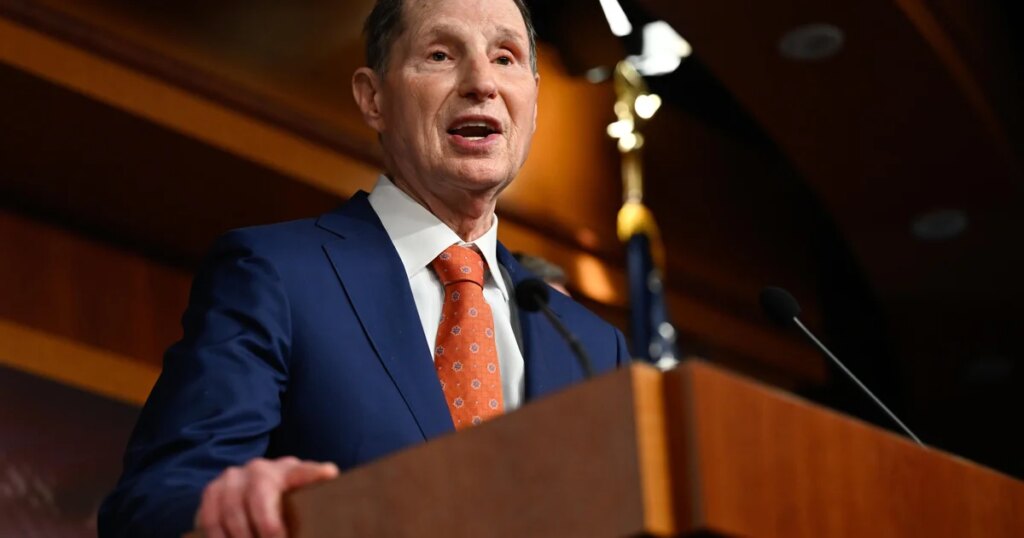
On the forefront of the efforts to secure jobs is the recent proposal by Senator Ron Wyden from Oregon titled “The Stability and Opportunity for Workers Act.” Introduced on Friday, this significant piece of legislation aims to expand unemployment benefits during periods of high unemployment, specifically when the unemployment rate has risen to 8.5%. If enacted, the bill would considerably extend unemployment benefits from the current maximum of 26 weeks to a much more supportive 52 weeks. This change is particularly essential for individuals who may find themselves struggling to secure new employment due to rapid technological changes, such as those brought on by advances in AI.
In addition to extending these benefits, the act also proposes significant support for workers who are displaced by AI-related disruptions. Senator Wyden’s office has stated that the bill includes provisions for funding job retraining and educational programs, aimed at equipping such workers with the skills necessary for transitioning into higher-paying jobs. The comprehensive nature of this legislation is a direct response to growing fears over how AI technologies may potentially displace millions of workers in the coming years.
Proposed Taxation Strategies for AI Companies
One of the legislative initiatives to help safeguard the workforce is the “Make AI Work for Americans Act,” introduced last month by Senator Mark Kelly, a Democrat from Arizona. This bill proposes the introduction of three new excise taxes specifically targeting the AI industry, including a 5% tax on digital advertising revenue, an AI usage tax, and a steep 50% excess profits tax. The intention behind these taxes is multifaceted: to provide substantial revenue that could be allocated toward retraining displaced workers, ensuring that the funds directly address the consequences of potential job losses attributed to AI.
Accompanying this initiative is the “AI Tax and Work Protection Act,” introduced by Democratic Representatives Greg Casar, Valerie Foushee, and Sara Jacobs. This bill proposes to establish taxes based on token usage by AI companies, with the rates soaring in correlation to the unemployment rate. This scheme aims to create job opportunities to mitigate the impacts of AI-induced layoffs, reiterating the urgency for legislative measures that can adapt to the evolving job landscape.
Impacts of AI on Employment and Unemployment Rates
Despite the legislative measures being proposed, the implications of these AI advancements have stirred widespread concern. In particular, leaders from the AI sector have sounded alarms regarding the potential for mass job displacement. For instance, Dario Amodei, the CEO of Anthropic, warned that AI could eliminate half of all entry-level white-collar jobs, potentially spiking unemployment rates to between 10% to 20% within the next five years. These stark predictions have found echoing support from prominent figures in the tech industry, including Bill Gates, co-founder of Microsoft, who cautioned that AI advancements could pose serious risks to millions of jobs.
Despite these dire forecasts, experts insist that substantial workforce displacements have yet to materialize significantly. Most recent AI-related layoffs have primarily affected the tech industry, sparking debates among economists regarding the actual ramifications of these disruptions for the broader workforce. Indeed, a recent poll indicated that approximately 80% of American respondents believed it was crucial to protect workers amidst the rise of AI technologies, underscoring public concern over the potential ramifications of automation.
The Importance of Worker Protections
The urgency for worker protections amidst the rise of AI cannot be overstated. Key figures in Congress recognize the need to adapt worker protection laws as technology evolves. Given the potential speed at which AI could reshape the job landscape, legislative measures have become increasingly vital for safeguarding the population against the harmful effects of job automation. Public sentiment shows that there is overwhelming support for proactive solutions that mitigate the risks posed by AI.
Furthermore, proposals like the “AI-Related Job Impacts Clarity Act,” introduced by Senator Mark Warner and Senator Josh Hawley, aim to enhance transparency around workforce disruptions. If passed, this bill would ensure that major companies and federal agencies report AI-related layoffs to the Department of Labor, making the effects of AI more visible and enabling policymakers to tailor programs in a more data-driven manner. Insights from these reports could play an essential role in addressing worker needs and reallocation efforts for those displaced by AI technologies.
Legislative Measures in Responses to AI Concerns
The current legislative landscape reflects a growing recognition that the United States must take active steps to prepare for the workforce changes triggered by AI advancements. Lawmakers across the political spectrum are advocating for a legislative framework that not only anticipates future challenges but also proactively addresses them through legislation that supports displaced workers.
In addition to the previously mentioned bills, there are ongoing discussions and initiatives aimed at designing comprehensive strategies to deal with the unique challenges posed by AI-generated workforce changes. By harnessing taxation strategies, ongoing education, and retraining programs, lawmakers are striving to ensure that American workers can effectively navigate this uncharted territory resulting from rapid technological advancement.
| No. | Key Points |
|---|---|
| 1 | Senator Ron Wyden‘s proposed bill aims to extend unemployment benefits to 52 weeks in cases of high unemployment. |
| 2 | The taxation of AI companies aims to create a fund for retraining displaced workers. |
| 3 | AI leaders project significant job losses, raising concern about future employment rates. |
| 4 | Public sentiment shows strong support for protective measures for workers in the AI era. |
| 5 | Transparency around AI displacements is imperative to shape responsive policies. |
Summary
In conclusion, as artificial intelligence technologies rapidly evolve, they bring both opportunities and challenges that necessitate immediate and effective legislative actions. The range of proposals currently being contemplated demonstrates a unified effort by lawmakers to protect the American workforce through expanded unemployment benefits, taxation of AI firms, and increased transparency about the impacts of AI. With widespread public concern regarding job security in the face of automation, the ongoing discussions in Congress point to a critical moment in shaping the future of work in an AI-driven world.
Frequently Asked Questions
Question: What does the “Stability and Opportunity for Workers Act” propose?
The act proposes an expansion of unemployment benefits to 52 weeks during high unemployment periods, particularly if the unemployment rate reaches 8.5%, as well as retraining programs for displaced workers.
Question: How do the proposed taxes on AI companies work?
The proposed taxes would include a 5% tax on digital advertising revenue, an AI usage tax, and a 50% excess profits tax, with the intention of funding retraining initiatives for those displaced by AI.
Question: What are the concerns surrounding AI and job displacement?
Major concerns include the potential loss of jobs, particularly among entry-level white-collar positions, with experts warning that AI could drive unemployment rates as high as 20% in the coming years if left unaddressed.