
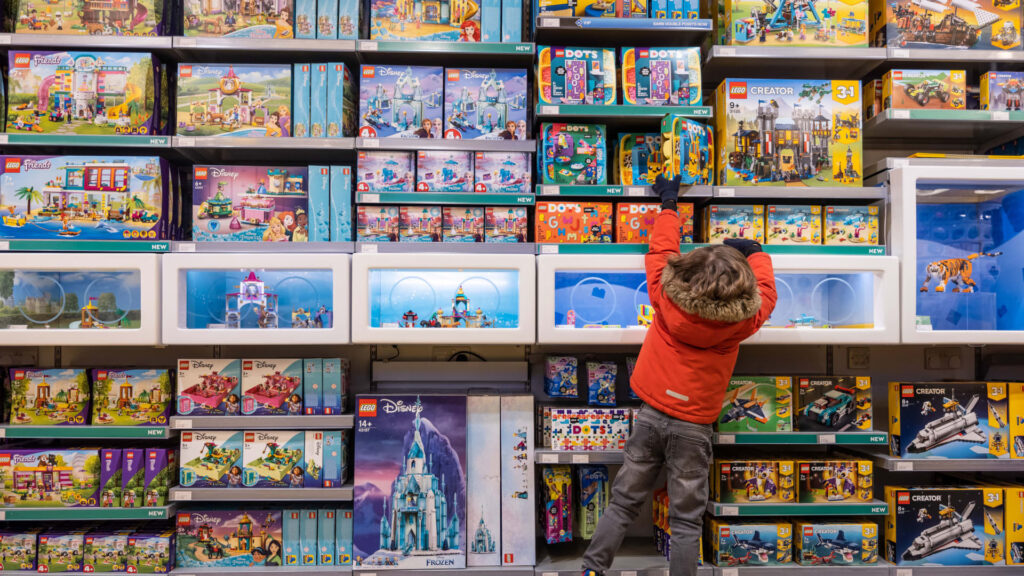
Lego, the renowned brick manufacturer, continues to soar in popularity as evidenced by its impressive financial report for the first half of the year. The company achieved a remarkable 21% increase in revenue, totaling 41.9 billion Danish kroner (approximately $6.54 billion), showcasing its successful product lines, including new launches and partnerships. This growth highlights Lego’s strategic move to broaden its audience and engage both young enthusiasts and adult collectors through innovative offerings.
| Article Subheadings |
|---|
| 1) Lego’s Robust Financial Performance |
| 2) Innovative Product Launches |
| 3) Strategic Partnerships Driving Growth |
| 4) Expanding Target Demographics |
| 5) A Diverse Range of Offerings |
Lego’s Robust Financial Performance
Lego’s financial performance marks a significant milestone for the company, reflecting a robust growth trajectory in the toy market. For the first half of the year, the company reported a record revenue of 41.9 billion Danish kroner, which equals approximately $6.54 billion. This 21% increase in revenue is not only a testament to Lego’s enduring popularity but also indicates its successful strategies in product development and market expansion. Furthermore, the operating profit increased by 22% year over year, generating a commendable profit of 10.9 billion Danish kroner (around $1.7 billion). Such strong financial results can be attributed to both increased sales from established lines and the introduction of new products.
Innovative Product Launches
This year, Lego has set a benchmark with its innovative product launches, adding 332 new sets to its portfolio in just six months. This surge in new offerings is part of Lego’s strategy to remain competitive in the evolving toy industry. The company has focused on diversifying its product range to appeal to a wider audience. Noteworthy among the new introductions is the Smart Play platform, a technology designed to enhance play experiences by incorporating sensors that respond to movement and sound. These innovative features are aimed at captivating both new customers and retaining loyal fans who seek more engaging play experiences.
Strategic Partnerships Driving Growth
In addition to its new products, Lego is leveraging strategic partnerships to enhance its market presence and attract new consumers. The collaboration with Pokémon has been particularly influential, bridging the gap between different fan bases and increasing Lego’s visibility among younger audiences who are keen on collecting Pokémon-themed merchandise. Furthermore, Lego has ventured into the sports arena with partnerships involving Formula 1 and FIFA, which are expected to attract sports enthusiasts into the Lego community. As stated by Niels Christiansen, Lego’s CEO, these collaborations introduce the brand to individuals who may not have previously engaged with Lego, effectively growing its consumer base.
Expanding Target Demographics
Lego’s strategy extends beyond merely expanding its product line; it also encompasses a conscious effort to cater to a diverse demographic. The company has successfully appealed to both children and adults, with initiatives designed to attract a wide range of consumers, irrespective of age or gender. Niels Christiansen highlighted that Lego has made significant strides in fostering growth among children while simultaneously enticing adult collectors. This dual approach is crucial, as it allows Lego to emerge as a brand that can cater to the entire spectrum of Lego enthusiasts, thus ensuring sustained growth.
A Diverse Range of Offerings
One of the key aspects of Lego’s financial success lies in its ability to offer a diverse range of products at various price points. This strategy makes it accessible to a broader audience while meeting the expectations of both casual builders and serious collectors. For example, fans of the “Star Wars” franchise can choose from a simplistic $30 N-1 Starfighter set from “The Mandalorian” or opt for a more intricate model priced at $250, which consists of nearly 2,000 pieces. Such options cater to different levels of expertise and budgeting needs, helping to further drive sales amid current economic uncertainties.
| No. | Key Points |
|---|---|
| 1 | Lego reported record revenue of 41.9 billion Danish kroner, a 21% increase from last year. |
| 2 | 332 new sets were launched within the first half of the year, marking a record high for the company. |
| 3 | Partnerships with brands like Pokémon and involvement in sports are expanding Lego’s consumer base. |
| 4 | Lego has successfully targeted both children and adults, thus diversifying its consumer demographic. |
| 5 | A variety of product offerings at different price points ensures Lego attracts a broad audience. |
Summary
The latest financial results highlight Lego’s strong market position and effective strategies that cater to a broad demographic. With excellent growth in revenue, innovative product launches, thoughtful partnerships, and diverse offerings, Lego demonstrates its commitment to maintaining its appeal across generations. As both children and adults continue to engage with the brand, Lego reinforces its role not just as a toy manufacturer but also as a cultural icon in the play space.
Frequently Asked Questions
Question: What are Lego’s latest product offerings?
Lego launched 332 new sets in the first half of the year, including innovative products like the Smart Play platform, which adds interactive elements to traditional sets.
Question: How is Lego attracting adult consumers?
Lego is targeting adult consumers through partnerships with popular franchises and by offering complex building sets that appeal to collectors and enthusiasts alike.
Question: What is the significance of Lego’s partnerships?
Lego’s partnerships with brands like Pokémon and associations in the sports sector help to broaden its appeal, attracting new consumers while retaining existing fans.