
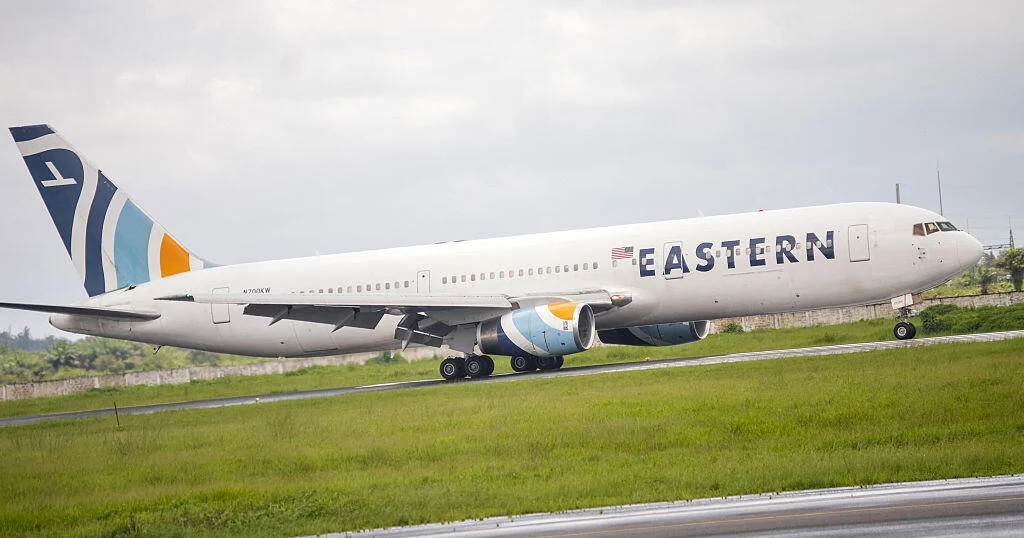
Liberia recently welcomed its first group of “third country” deportees from the United States, marking a significant moment in U.S. immigration policy. About 20 individuals, primarily from Latin America, were deported under the Trump administration’s aggressive stance on illegal immigration. While the deportees arrived in Liberia, reports surfaced about some individuals resisting deportation, raising questions about the future of such policies and their humanitarian implications.
| Article Subheadings |
|---|
| 1) Initial Group of Deportees Arrives in Liberia |
| 2) Liberia’s Policy on Deportees |
| 3) Controversy Surrounding Third Country Deportations |
| 4) Broader Implications of Deportation Agreements |
| 5) Reaction from Human Rights Activists |
Initial Group of Deportees Arrives in Liberia
The first cohort of approximately 20 deportees, hailing from various countries, landed in Liberia from the United States. This event unfolded on Thursday, a pivotal moment in an evolving narrative surrounding immigration policy under the Trump administration. Reports highlight that upon arrival, there was an incident involving a small group of deportees who resisted disembarking from the aircraft. U.S. officials reported that these individuals were physically escorted off the plane but returned to it afterward, leaving their current status uncertain.
Liberia’s Policy on Deportees
In a significant development, the government of Liberia has initiated a plan to accept a large number of these third country deportees. Officials have indicated intentions to welcome up to 1,200 deportees over the next year, presenting an opportunity for these individuals to apply for asylum in Liberia. This decision represents a response to the growing number of deportees sent to countries where they lack significant ties. Liberian officials have embraced this policy as a means of fostering bilateral relationships with the United States while addressing the realities of international migration.
Controversy Surrounding Third Country Deportations
Despite the intentions behind the third country deportation agreements, they have been met with considerable controversy. Critics argue that these agreements result in a lack of accountability and responsibility for the deportees, who may be sent to countries with unstable political climates or security issues. In Liberia’s specific case, the deportees may face significant challenges in integrating into a society that is not their home. The ethical implications of sending individuals back to places they fled in search of safety have stirred debate among policymakers, legal experts, and the public.
Broader Implications of Deportation Agreements
The larger context of this situation is the Trump administration’s strategy to establish third country deportation agreements with several nations worldwide. This has included a range of countries, many of which are struggling with civil unrest, political instability, or human rights challenges. Liberia’s acceptance of deportees is part of a broader trend that has seen an increase in deportation flights to African nations. Particularly, countries like Ghana and Equatorial Guinea have also entered agreements to receive deportees. This policy shift is designed to help manage the complexities of migration while alleviating some pressures on the U.S. immigration system.
Reaction from Human Rights Activists
The approach of third country deportations has drawn significant condemnation from human rights activists, who characterize the practice as both inhumane and illegal under international law. They argue that many countries designated to receive deportees cannot assure safety or meaningful protection for these individuals, often leading to a return to perilous situations. Activists have been vocal in their criticisms, asserting that these policies inherently violate fundamental human rights principles. The administration, however, defends these actions as necessary judicial tools intended to deter unlawful immigration and protect the integrity of the U.S. border.
| No. | Key Points |
|---|---|
| 1 | Liberia accepted its first group of U.S. deportees, marking a significant immigration policy event. |
| 2 | The government plans to accept up to 1,200 deportees, allowing them to apply for asylum. |
| 3 | The deportees’ arrival was met with resistance from some individuals regarding their deportation. |
| 4 | Third country deportation policies have sparked widespread criticism from human rights advocates. |
| 5 | The Trump administration has signed deportation agreements with various nations including those facing political turmoil. |
Summary
The recent arrival of deportees in Liberia underlines the complexities and challenges tied to U.S. immigration policy and international relations. While the undertaking aims to manage the flow of migrants and ensure compliance with immigration laws, it also raises significant humanitarian concerns. With the potential acceptance of up to 1,200 deportees, the trials and tribulations faced by these individuals in adjusting to life in Liberia will be closely observed, alongside ongoing discussions about the impact and legality of such deportation strategies.
Frequently Asked Questions
Question: What are the implications of third country deportations?
Third country deportations often lack adequate protections for deportees, leading to concerns about their safety and well-being in receiving countries. These individuals may be sent back to countries where they face persecution or instability.
Question: How many deportees is Liberia set to accept?
Liberia has stated it intends to accept up to 1,200 deportees from the U.S. over the next year, providing these migrants with an opportunity to apply for asylum within its borders.
Question: What criticisms do human rights activists have regarding these policies?
Human rights activists argue that third country deportations violate international law and are inhumane, as they often send individuals to places where they are at risk of persecution.