
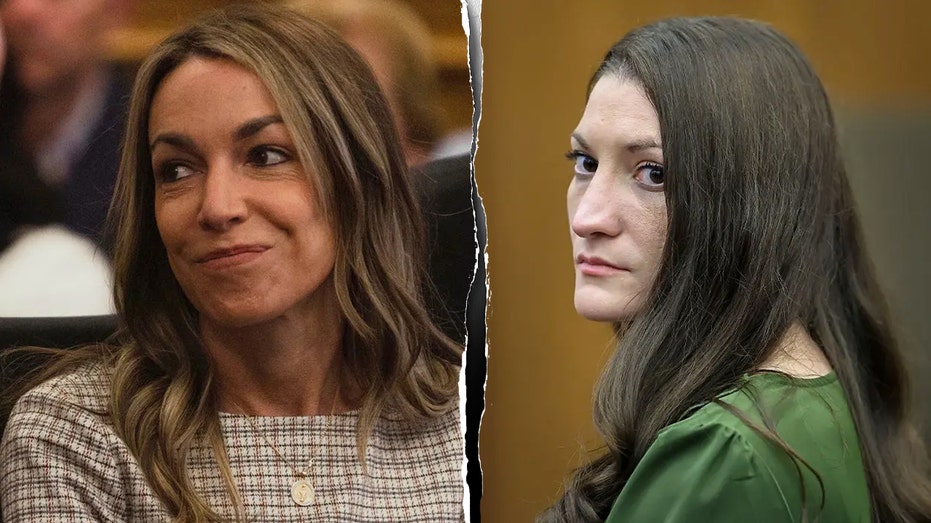
Lindsay Clancy has added Boston attorney Martin Weinberg to her defense team after her murder trial ended in a mistrial. Weinberg is expected to file a motion arguing that a second prosecution would violate protections against double jeopardy. The move follows a reported 11-1 split among jurors who deliberated for seven days. Prosecutors have not announced whether they will seek a retrial.
A Plymouth Superior Court filing says Weinberg entered a limited appearance Tuesday to represent Clancy in connection with the dismissal motion and related matters. The case is scheduled to return to court on Sept. 29. The filing does not state when the motion will be submitted.
| 1) | Defense team adds experienced double jeopardy counsel |
| 2) | Mistrial follows deadlocked deliberations |
| 3) | Prior retrial fight provides a legal precedent |
| 4) | The case centers on criminal responsibility |
| 5) | Judge keeps juror identities protected |
Defense team adds experienced double jeopardy counsel
Martin Weinberg joined Lindsay Clancy’s defense for the specific purpose of pursuing dismissal and handling related matters. His limited appearance was recorded in Plymouth Superior Court on Tuesday, ahead of the next scheduled hearing on Sept. 29.
The anticipated motion will focus on whether the circumstances of the mistrial prevent prosecutors from trying Clancy again. Kevin Reddington, Clancy’s longtime attorney, said after the mistrial that the defense would oppose another trial. The legal challenge does not itself decide whether prosecutors may proceed, because that question will be resolved by the court.
Mistrial follows deadlocked deliberations
Judge William Sullivan declared a mistrial on Sept. 4 after the jury deliberated for seven days and reported that it could not reach a unanimous verdict. Several jurors later indicated that 11 members favored finding Clancy not criminally responsible, while one juror supported conviction.
A jury deadlock generally allows prosecutors to seek a new trial, but Clancy’s defense is expected to argue that the particular way this case ended makes a retrial improper. The defense position is based on the reported division among jurors and the legal consequences it says should follow from the mistrial.
Prior retrial fight provides a legal precedent
Martin Weinberg previously challenged a potential retrial for Karen Read after Read’s 2024 trial ended without a verdict. Read’s attorneys said jurors had unanimously agreed to acquit her of second-degree murder and leaving the scene of a deadly crash, although they remained divided on a manslaughter charge.
A judge rejected that request, concluding that the jury had not formally returned not-guilty verdicts and that Read’s attorneys had agreed to the mistrial. The dispute continued in state and federal court before Read was retried in 2025. She was acquitted of second-degree murder, manslaughter and leaving the scene of a deadly crash, but convicted of misdemeanor operating under the influence.
The case centers on criminal responsibility
Lindsay Clancy is accused of killing her three children, Cora, Dawson and Callan, inside the family’s Duxbury home in January 2023. Authorities said she used exercise bands to strangle the children and then jumped from a second-story window in what appeared to be a suicide attempt, leaving her paralyzed.
Clancy does not dispute that she killed the children, but pleaded not guilty because her attorneys argued that she was not criminally responsible at the time. The defense said she was experiencing postpartum psychosis and was heavily medicated. Prosecutors argued that she planned the killings and sent her husband, Patrick Clancy, out of the house before attacking the children.
Judge keeps juror identities protected
Judge William Sullivan ordered the identities of the 12 jurors and six alternates to remain private indefinitely because of safety concerns and the unauthorized disclosure of personal information. The order permits jurors to identify themselves or speak with the media if they choose.
“Based on the circumstances of this trial and the fact that the case continues to receive daily, divisive attention in Massachusetts and beyond, the Court concludes that there is a real and present risk of personal harm to the jurors and to the integrity of their service.”
In a separate order, the judge temporarily extended protection for the larger group summoned for jury duty from July 20 through July 24. Those names were ordered to remain impounded for an additional 10 days because of concerns about juror safety. Lindsay Clancy remains in custody at Tewksbury Hospital while the defense prepares its double jeopardy challenge.
| 1 | Martin Weinberg entered a limited appearance for Clancy’s dismissal motion. |
|---|---|
| 2 | The murder trial ended in a mistrial after seven days of deliberations. |
| 3 | Jurors reportedly split 11-1 over criminal responsibility. |
| 4 | Prosecutors have not publicly said whether they will seek a retrial. |
| 5 | The judge ordered continued privacy protections for jurors. |
Summary
The next phase of Lindsay Clancy’s case will focus on whether the mistrial permits another prosecution. By bringing in Martin Weinberg, the defense is pursuing a legal argument similar to one he made in the Karen Read case. The court’s ruling will determine whether the case proceeds toward a retrial or ends with the dismissal motion.
Frequently Asked Questions
Why did Lindsay Clancy’s trial end?
The judge declared a mistrial on Sept. 4 after jurors said they could not reach a unanimous verdict following seven days of deliberations.
What is the defense seeking?
The defense is expected to seek dismissal on double jeopardy grounds, arguing that the circumstances of the mistrial bar prosecutors from trying Clancy again.
Will Clancy definitely face a retrial?
No. Prosecutors have not publicly announced whether they intend to retry her, and the court has not yet ruled on the anticipated dismissal motion.