
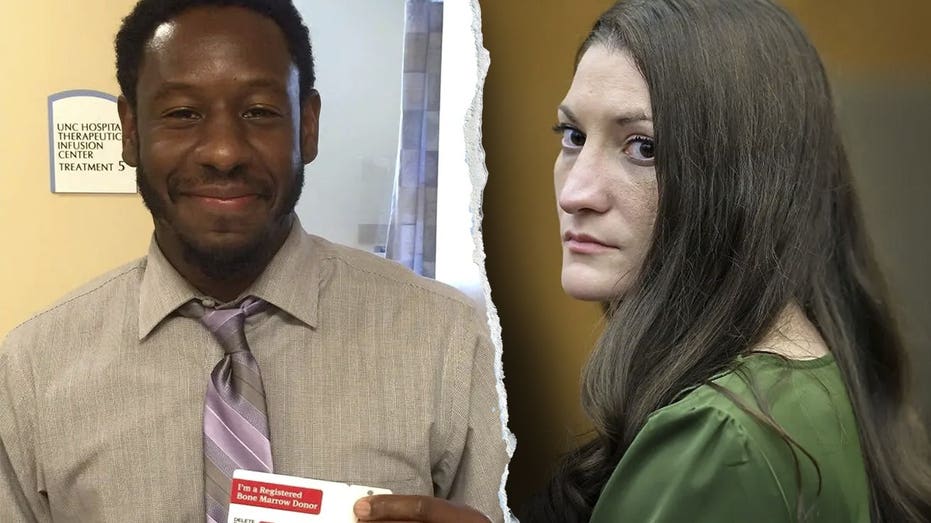
Lindsay Clancy‘s defense is asking a Massachusetts judge to investigate the lone juror who prevented a not criminally responsible verdict in her murder trial. Attorney Kevin Reddington is seeking juror questionnaires, phone records, surveillance footage and other records related to the panel’s deliberations. The request follows an 11-1 deadlock that led to a mistrial in September. Prosecutors have not announced whether they will seek a retrial.
| 1) | Defense requests a focused juror inquiry |
| 2) | Records sought from the court and prosecutors |
| 3) | Questions about phone use and outside information |
| 4) | The mistrial and competing mental-state arguments |
| 5) | Possible next steps in the case |
Defense requests a focused juror inquiry
The defense of Lindsay Clancy is asking the court to conduct a limited inquiry into the juror identified in the filing as Juror Doe. The juror, publicly identified elsewhere as Michael P. Desronvil, was the only member of the panel who did not support a verdict finding Clancy not criminally responsible because of mental illness or defect.
In a motion filed after the mistrial, Kevin Reddington argued that the court should preserve evidence and examine whether the juror’s questionnaire and voir dire answers were truthful. The proposed inquiry would also address statements the juror made to the court on Sept. 3 and whether he used a phone or received outside information during deliberations.
Records sought from the court and prosecutors
The defense is seeking records involving all 12 jurors and six alternates, rather than limiting its request to the holdout. Requested materials include juror questionnaires, supplemental filings, courthouse hallway surveillance video outside the deliberation room and cellphone sign-in sheets.
The motion also seeks the holdout juror’s probation records and any record from the statewide domestic violence registry. In addition, the defense wants prosecutors to disclose whether they had contact with the juror as a defendant, complainant or subject in any matter dating back to January 2021. The requests are intended to help determine whether information relevant to jury service was omitted or whether undisclosed circumstances affected the deliberations.
Questions about phone use and outside information
The defense wants the juror’s phone records for the hours of 8:30 a.m. to 4:30 p.m. on each day of deliberations. It is also asking the judge to order an independent examination of phone use during that period.
The filing proposes that the court question the holdout about whether a phone was used during deliberations and whether outside information played any role. It also says the court may hear from Juror No. 10, but only about what that juror observed regarding the alleged phone use. The motion does not establish that improper phone use occurred, and the requested inquiry remains subject to the judge’s decision.
The mistrial and competing mental-state arguments
The trial ended in a mistrial on Sept. 4 after the jury reported an 11-1 split. The majority favored finding Lindsay Clancy not criminally responsible for the deaths of her three children, while the lone holdout continued to oppose that outcome.
Clancy faced three counts of first-degree murder in the deaths of Cora, 5, Dawson, 3, and Callan, 8 months. The children were killed at the family’s home in Duxbury, Massachusetts, in January 2023. The defense argued that Clancy was experiencing postpartum psychosis and had repeatedly sought help. Prosecutors argued that she acted deliberately and understood that strangling the children with exercise bands was wrong.
Possible next steps in the case
The court must first decide whether to preserve the requested records and allow the proposed inquiry. Separately, the defense has asked the judge to overrule the holdout and declare Clancy not guilty, a procedural request that legal experts have described as rarely successful.
Prosecutors have not formally said whether they will seek a new trial. The case could therefore proceed toward a retrial, a negotiated resolution or further litigation over the defense’s requests. Any future proceeding would continue to center on whether Clancy’s mental condition prevented her from understanding the nature or wrongfulness of the killings.
| Number | Key Point |
|---|---|
| 1 | The defense seeks a limited investigation into the lone holdout juror. |
| 2 | Requested evidence includes questionnaires, surveillance video and phone records. |
| 3 | The trial ended after an 11-1 jury deadlock on criminal responsibility. |
| 4 | A retrial has not been announced by prosecutors. |
Summary
The defense is pursuing a records-based inquiry into the juror whose position produced a mistrial in Lindsay Clancy‘s case. The requested investigation focuses on possible inaccuracies in jury materials, undisclosed background information and phone use during deliberations. The court has yet to rule on the requests, while prosecutors have not decided publicly whether to retry the case.
Frequently Asked Questions
Why did the Lindsay Clancy trial end in a mistrial?
The jury deadlocked 11-1 after most jurors favored finding Clancy not criminally responsible because of mental illness or defect and one juror opposed that verdict.
What records does the defense want?
The defense is seeking juror questionnaires, supplemental filings, surveillance video, cellphone sign-in sheets, phone records, background-related records and information about any prosecutorial contact with the holdout juror.
Will Lindsay Clancy face a new trial?
That has not been decided. Prosecutors have not officially announced whether they will seek a retrial, and the defense is separately challenging the holdout’s position and requesting a not-guilty ruling.