
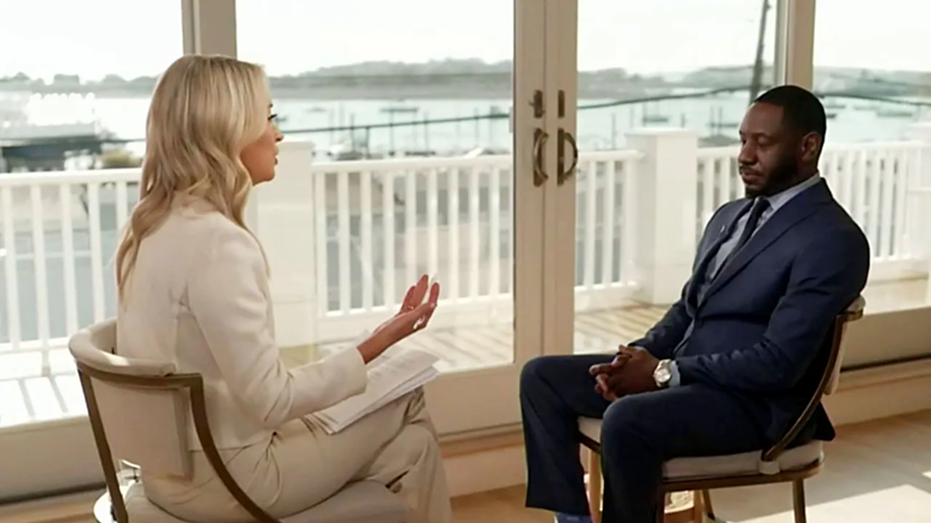
Michael Desronvil, the lone holdout juror in the Lindsay Clancy murder trial, says he stands by his refusal to support a finding that Clancy was not criminally responsible. He said all jurors had access to cellphones during breaks, while the defense has specifically sought records from his phone during deliberations. Desronvil also denied lying under oath and described intense scrutiny at his home after the mistrial. The trial ended without a verdict last month after the jury could not reach a unanimous decision.
| 1) | Holdout juror explains his deliberation position |
| 2) | Defense seeks phone and juror records |
| 3) | Juror describes harassment and safety concerns |
| 4) | Dispute over testimony and background records |
| 5) | Evidence that shaped the holdout’s view |
Holdout juror explains his deliberation position
Michael Desronvil said he had not followed the case before jury selection and did not initially understand how much public attention it would receive. During deliberations in Plymouth County Superior Court in Massachusetts, he was the only one of 12 jurors who voted against finding Lindsay Clancy not criminally responsible for the deaths of her three children.
Clancy faces three first-degree murder charges in connection with the January 2023 deaths of Dawson, 3, Cora, 5, and Callan, 8 months old, at the family’s Duxbury home. Desronvil said he viewed the children as the central focus of the case and referred to them as the “Three Angels.” He said his position was based on what he believed the evidence showed, rather than a desire to obstruct the jury.
Defense seeks phone and juror records
Clancy’s attorney, Kevin Reddington, has asked Judge William Sullivan to preserve records involving all 12 jurors and six alternates. The requested materials include juror questionnaires, hallway surveillance video outside the deliberation room and courthouse sign-in sheets for cellphones.
The defense has separately sought records from Desronvil’s phone covering 8:30 a.m. to 4:30 p.m. on each day of deliberations. Desronvil said the jurors used their phones during breaks, but not while they were deliberating.
“Everybody had their cellphones and our cell phone was used when we had a break. So not during deliberation,” Desronvil said.
Juror describes harassment and safety concerns
Desronvil said journalists appeared at his home the day after the trial ended. He alleged that surveillance footage showed people going through his mail, approaching the front and back doors and looking through windows. He said his family had proof of the conduct, though the account was presented as his allegation.
He said police escorted his fiancée to and from the home because of the attention, but he reported receiving no physical threats. Desronvil credited local residents, businesses, churches, police and fire personnel with helping him, his fiancée and his daughter during the period after the mistrial.
Dispute over testimony and background records
Before the mistrial was declared, Reddington accused Desronvil in court of lying under oath. Desronvil rejected that claim and said he answered the jury questionnaire truthfully. The defense has also sought an investigation into his conduct, including records related to past domestic violence allegations, probation and his questionnaire responses.
Desronvil said a 2021 altercation involving his wife had been exaggerated and denied physical, emotional or financial abuse. He said charges connected to the incident were later dropped. Reddington has publicly characterized Desronvil as an obstructionist, while Desronvil’s legal representatives have said they intend to pursue a professional complaint against the defense attorney.
Evidence that shaped the holdout’s view
Desronvil said a 911 call made by Patrick Clancy after he returned home and discovered the children dead and his wife seriously injured had a lasting effect on him. The call was played for jurors behind closed doors and has not been released publicly.
“Hearing the pain in his voice, hearing the desperation from that clip, it was surreal,” Desronvil said.
He said the prosecution’s presentation, including evidence and courtroom testimony, led him to conclude that Clancy had acted methodically. He rejected the defense argument that postpartum psychosis made her not criminally responsible. Desronvil added that serving on a jury again would be difficult after the scrutiny, but said he would do so if required because he viewed the duty as a higher obligation.
| Number | Key Point |
|---|---|
| 1 | The trial ended in a mistrial after Desronvil remained the lone holdout. |
| 2 | He says jurors used phones only during breaks. |
| 3 | The defense is seeking records from his phone and other juror materials. |
| 4 | Desronvil denies lying and disputes allegations tied to a 2021 incident. |
| 5 | He said the 911 call and prosecution evidence strongly influenced his view. |
Summary
The dispute following the Clancy mistrial now includes competing accounts of juror conduct, cellphone use and post-trial scrutiny. Desronvil maintains that he acted truthfully, used his phone only during authorized breaks and reached his position after evaluating the evidence. The defense’s requests for records may help determine whether further examination of the jury process is warranted, while the underlying murder case remains unresolved.
Frequently Asked Questions
Why did the Lindsay Clancy trial end in a mistrial?
The jury could not reach a unanimous decision after Desronvil remained the only juror opposing a finding that Clancy was not criminally responsible.
What phone records does the defense want?
The defense has specifically requested Desronvil’s phone records for the hours of 8:30 a.m. to 4:30 p.m. on each deliberation day, while also seeking broader records and materials involving the full jury panel and alternates.
What does Desronvil say about cellphone use?
He says all jurors had cellphones and used them during breaks, but not during deliberations.
What allegations did Desronvil deny?
He denied lying under oath, rejected claims of abuse connected to a 2021 altercation and disputed the characterization of his conduct as obstructionist.