
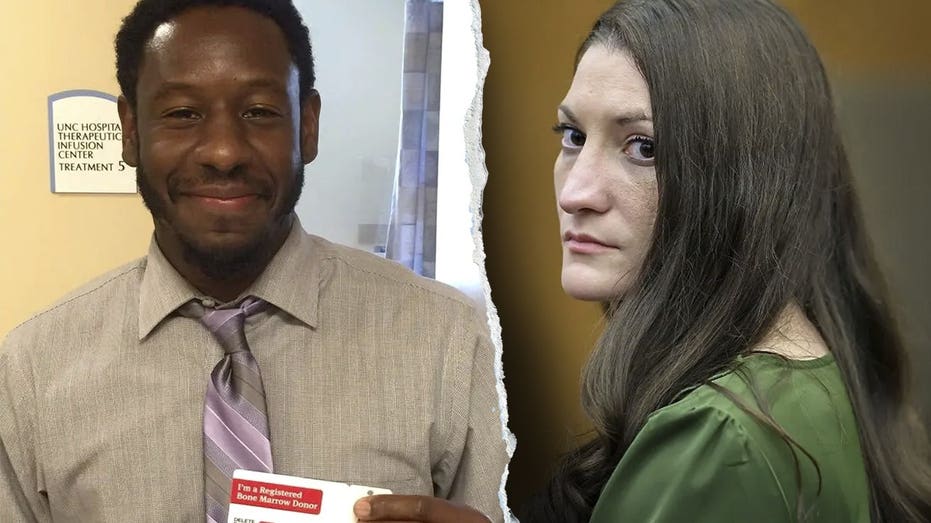
Lindsay Clancy’s murder trial ended in a mistrial after jurors failed to reach a unanimous verdict over the deaths of her three children. The lone holdout juror, Michael P. Desronvil, is now at the center of competing defense motions and a legal dispute over juror conduct. His attorney, Edward Paltzik, sharply criticized a request to investigate the juror, warning that it could discourage jurors from independently applying the law. Clancy is scheduled to return to court on Sept. 29, 2026.
Article Subheadings
| 1) | Lawyer challenges proposed juror investigation |
| 2) | Defense argues mistrial should lead to dismissal |
| 3) | Holdout juror explains his position |
| 4) | Case centers on the deaths of three children |
| 5) | Prosecutors face possible retrial decisions |
Lawyer challenges proposed juror investigation
Kevin J. Reddington, a defense attorney for Lindsay Clancy, filed a motion seeking a limited inquiry into Michael P. Desronvil. The request seeks information about the juror’s background and possible criminal history, along with phone records and courthouse surveillance video. The motion followed the mistrial, which was declared on Sept. 4 after the jury could not resolve its disagreement.
Representing Michael P. Desronvil, Edward Paltzik argued that investigating a juror simply because he disagreed with other jurors would threaten the constitutional role of juries. He said the issue could affect future criminal cases by making jurors fear retaliation for maintaining an independent view during deliberations.
“The motion to investigate Michael is actually a full-frontal attack on the U.S. Constitution,” Edward Paltzik wrote, warning that the Sixth Amendment could be undermined if jurors faced reprisals for disagreeing with defense attorneys.
Defense argues mistrial should lead to dismissal
In a separate filing, Martin Weinberg, another attorney for Lindsay Clancy, argued that the charges should be dismissed. The motion focuses on a decision by Judge William Sullivan to overrule a defense objection during trial and later declare a mistrial without ordering a broader inquiry into the holdout juror.
Martin Weinberg argued that the jury had twice reported concerns that one member was not applying the court’s instructions on reasonable doubt. According to the filing, the judge questioned jurors individually after the first report and later reminded the full panel of its obligation to follow the law. The defense contends that the court should have taken additional action before ending the trial.
Holdout juror explains his position
Michael P. Desronvil has denied claims that he ignored reasonable doubts or misunderstood the judge’s instructions. In his only public statement, he said other jurors interrupted him when he tried to discuss alternative interpretations of the evidence.
“I didn’t have any doubts,” Michael P. Desronvil said in the statement. He added that he believed the physical evidence, witness testimony and prosecution presentation showed that Lindsay Clancy knew what she was doing and had planned it.
The dispute has continued publicly since the mistrial, with several jurors discussing the deliberations and criticizing the holdout’s position. Edward Paltzik said he began representing Michael P. Desronvil as pressure from former jurors, the defense and members of the public increased.
Case centers on the deaths of three children
The case concerns the deaths of Lindsay Clancy’s children, Cora Clancy, 5, Dawson Clancy, 3, and Callan Clancy, 8 months. The children died at the family’s home in Duxbury, Massachusetts, in January 2023.
Lindsay Clancy, a former labor and delivery nurse, admitted killing the children but argued that she was not criminally responsible because she was experiencing postpartum psychosis. Prosecutors argued that she planned the killings and understood that her conduct was wrong. The jury’s inability to reach a verdict prevented the case from concluding at trial.
Prosecutors face possible retrial decisions
The mistrial leaves prosecutors in Massachusetts to weigh their next steps, including a possible retrial or a negotiated plea agreement. No final resolution was identified in the filings described, and the pending motions could shape how the case proceeds.
The court must also consider whether the defense has established grounds for dismissal under double jeopardy principles and whether any inquiry into Michael P. Desronvil is legally justified. The next scheduled court appearance is Sept. 29, when the parties may address those issues and the future of the prosecution.
Key Points
| Number | Key Point |
|---|---|
| 1 | The Lindsay Clancy murder trial ended in a mistrial on Sept. 4. |
| 2 | The defense seeks a limited inquiry into holdout juror Michael P. Desronvil. |
| 3 | Juror attorney Edward Paltzik says the inquiry could threaten constitutional protections. |
| 4 | The defense separately argues that the charges should be dismissed. |
| 5 | Prosecutors may pursue a retrial or negotiate a plea agreement. |
Summary
The legal fight after the mistrial now includes a dispute over whether a holdout juror should be investigated and whether the charges should be dismissed. The defense says the juror failed to follow the court’s instructions, while his attorney says examining him because of his vote would threaten the independence of juries. The court’s next rulings will help determine whether the prosecution continues through a retrial, a negotiated resolution or dismissal.
Frequently Asked Questions
Why did the Lindsay Clancy trial end in a mistrial?
The jury did not reach a unanimous verdict after deliberations that included disagreement over the holdout juror’s interpretation of the evidence and the law.
What does the defense want to investigate?
The defense motion seeks information about Michael P. Desronvil’s background and possible criminal history, as well as phone records and courthouse surveillance video.
What is the holdout juror’s position?
Michael P. Desronvil says he did not have reasonable doubts and believed the evidence showed that Lindsay Clancy knew what she was doing and had planned the killings.
What happens next in the case?
Lindsay Clancy is due back in court on Sept. 29, 2026. Prosecutors may consider a retrial or plea agreement, while the court may address the defense motions and the proposed juror inquiry.