
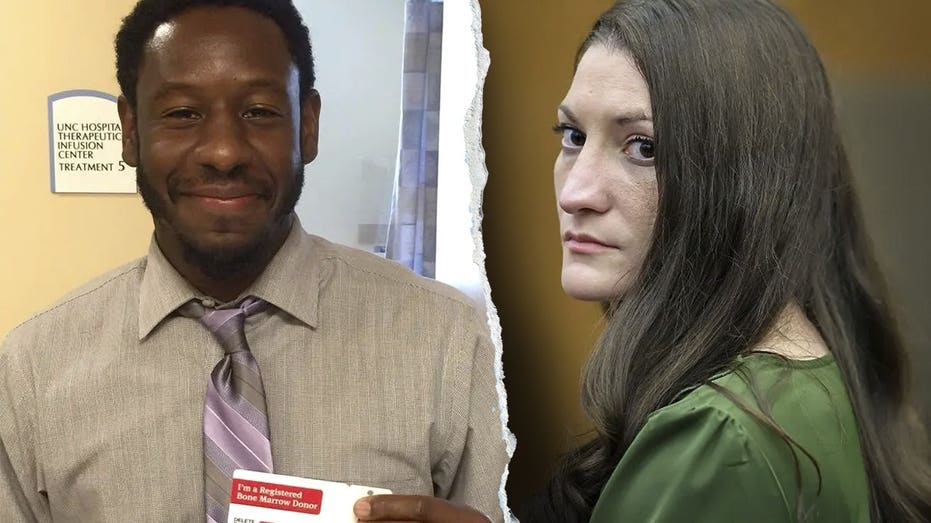
Edward Paltzik, the attorney for the lone holdout juror in Lindsay Clancy’s murder trial, rejected claims that his client refused to follow the law during deliberations. Paltzik said juror Michael P. Desronvil had no reasonable doubt and believed substantial evidence supported his position. The disagreement left the jury deadlocked after seven days, prompting Judge William Sullivan to declare a mistrial on September 4. Prosecutors have not announced whether Clancy will face a retrial.
| 1) | Attorney disputes allegation against holdout juror |
| 2) | Jury deadlock ended the Massachusetts trial |
| 3) | Competing views of the evidence and mental state |
| 4) | Mistrial followed seven days of deliberations |
| 5) | Next steps remain undecided |
Attorney disputes allegation against holdout juror
Paltzik represents Desronvil, who was the only juror unwilling to support a verdict finding Clancy not criminally responsible. After the jury deadlocked, the foreperson sent the judge a note alleging that Desronvil was refusing to follow the law concerning reasonable doubt.
In a preview of a televised interview, Paltzik disputed that characterization. He said Desronvil had reached his position after considering the evidence rather than rejecting the legal standard.
“Michael had zero doubt,” Paltzik said, adding that the juror had “a mountain of evidence” supporting his view.
Jury deadlock ended the Massachusetts trial
The case was tried in Massachusetts after Clancy admitted killing her three children at the family’s home in Duxbury in January 2023. The victims were 5-year-old Cora, 3-year-old Dawson and 8-month-old Callan.
The jury deliberated for seven days before the disagreement became final. Eleven jurors were prepared to find Clancy not criminally responsible, while Desronvil continued to support a conviction. With no unanimous verdict, Sullivan declared a mistrial on September 4.
Competing views of the evidence and mental state
Clancy’s defense argued that postpartum psychosis prevented her from being criminally responsible for the killings. That argument focused on her mental state and whether her condition meant she could not understand the nature or wrongfulness of her conduct.
Prosecutors presented a different account, arguing that Clancy understood what she was doing and had planned the killings. Desronvil later said physical evidence and witness testimony showed that Clancy knew what she was doing, according to the account of his position.
Mistrial followed seven days of deliberations
The deadlock reflected a fundamental disagreement over how the jury should interpret the evidence and the legal standard for criminal responsibility. The other 11 jurors accepted the defense position, while Desronvil remained convinced that the prosecution had established a basis for conviction.
Paltzik’s comments were intended to answer the foreperson’s description of Desronvil’s conduct. His position is that the juror’s vote resulted from certainty based on the trial record, not an unwillingness to apply the law.
Next steps remain undecided
Prosecutors had not announced whether they would retry Clancy. She was scheduled to return to court on September 29, when the case’s procedural status could become clearer.
A retrial decision would require prosecutors to revisit the evidence, the competing mental-health arguments and the circumstances that produced the mistrial. Until such a decision is announced, the case remains unresolved.
| Number | Key Point |
|---|---|
| 1 | Paltzik says Desronvil had no reasonable doubt about his decision. |
| 2 | The jury split 11 to 1 after seven days of deliberations. |
| 3 | The defense cited postpartum psychosis, while prosecutors argued Clancy understood and planned the killings. |
| 4 | Judge Sullivan declared a mistrial on September 4. |
| 5 | Prosecutors had not decided whether to seek a retrial. |
Summary
The dispute over Desronvil’s conduct centers on whether his vote represented a refusal to apply the law or a genuine conclusion that the evidence supported conviction. His attorney says the juror had no doubt and relied on physical evidence and testimony. The mistrial leaves Clancy’s criminal responsibility unresolved while prosecutors consider their next move.
Frequently Asked Questions
Why did the trial end in a mistrial?
The jury could not reach a unanimous verdict after seven days of deliberations. Eleven jurors supported a finding that Clancy was not criminally responsible, while Desronvil supported a conviction.
What did the defense argue?
The defense argued that postpartum psychosis left Clancy not criminally responsible for killing her three children.
What did prosecutors argue?
Prosecutors argued that Clancy understood what she was doing and planned the killings.
Will there be a retrial?
Prosecutors had not announced whether they would retry Clancy. She was scheduled to return to court on September 29.