
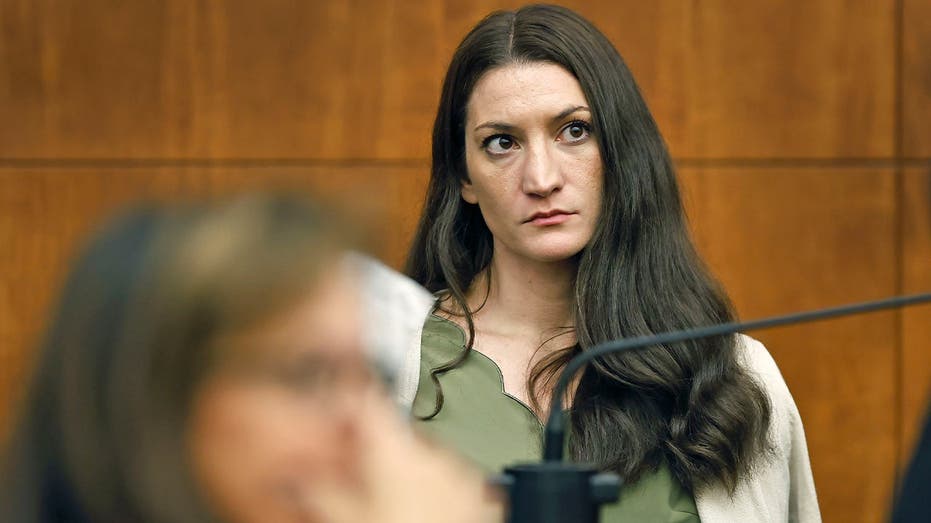
Lindsay Clancy’s Massachusetts murder trial has become a major subject of debate on TikTok and other social media platforms. Clancy faces three first-degree murder charges in connection with the 2023 deaths of her three young children in Duxbury. Her defense does not deny that she killed the children, but argues she was suffering from postpartum psychosis and should be found not guilty by reason of insanity. Legal observers have urged the public to distinguish established courtroom evidence from online speculation as the trial continues.
| 1) | The case and the charges |
| 2) | The postpartum psychosis defense |
| 3) | How social media has shaped the debate |
| 4) | A potential TikTok witness |
| 5) | The trial’s next stage |
The case and the charges
The defendant, Lindsay Clancy, is 35 and is being tried in Plymouth Superior Court in Massachusetts. Her children, Cora, Dawson and Callan, were all under 6 years old when they were found strangled at the family’s Duxbury home in 2023. Clancy faces three counts of first-degree murder. The proceedings have included courtroom testimony, a court-supervised view and disputes involving a 911 call and crime-scene photographs.
The postpartum psychosis defense
Clancy has pleaded not guilty by reason of insanity. Her lawyers acknowledge the killings but maintain that ongoing postpartum psychosis affected her mental state when the children died. Boston criminal defense attorney Peter Elikann, who is not involved in the case, said postpartum psychosis is distinct from postpartum depression and should not be reduced to ordinary sadness or depression. He described the condition as an emerging area of public understanding and compared the legal discussion with the earlier case of Andrea Yates, who was found not guilty by reason of insanity after drowning her five children in Texas.
“This isn’t a case of having the blues, being down in the dumps and being depressed,” Peter Elikann said.
How social media has shaped the debate
TikTok creators and online sleuths have taken opposing positions in the case, with some expressing support for Clancy and advancing theories about whether she received adequate support before the killings. The online discussion has expanded beyond legal analysis into claims about witnesses, treatment and the circumstances preceding the deaths. Elikann said the case has become a cultural obsession because social media allows people to form communities around high-profile criminal proceedings and to present themselves as experts. He also said the attention has helped introduce more people to the issue of postpartum psychosis, while stressing that unsubstantiated online claims should not replace official evidence.
“With the advent of not just the internet, but now social media, it’s like on steroids now, and everybody’s an expert,” Peter Elikann said.
A potential TikTok witness
Clancy’s attorney, Kevin Reddington, has asked the judge to permit Emily Thorndike to testify. Thorndike is a former clinical social worker at McLean Hospital, where Clancy received psychiatric treatment weeks before the children were killed. Thorndike publicly criticized what she characterized as lies and misrepresentations about the facility from the witness stand. Reddington said he located Thorndike after seeing her TikTok video and wants her added to the defense witness list. Any decision on her participation rests with the trial judge.
The trial’s next stage
The trial was scheduled to resume on Monday following proceedings reported in late July 2026. The case remains focused on whether Clancy’s mental condition met the legal standard for an insanity defense at the time of the deaths. Public interest has been intensified by the severity of the allegations, the unusual psychiatric questions and the rapid spread of commentary online. The court, rather than social media commentators, will determine which evidence and testimony are relevant to the verdict.
| Number | Key Point |
|---|---|
| 1 | Clancy faces three first-degree murder charges in the deaths of her three children. |
| 2 | The defense relies on a claim of postpartum psychosis and not guilty by reason of insanity. |
| 3 | Online supporters and sleuths have circulated theories and debated the case. |
| 4 | The defense is seeking permission for former clinical social worker Emily Thorndike to testify. |
Summary
The Clancy trial has drawn unusual attention because it combines allegations involving the deaths of three children with complex questions about postpartum psychosis and criminal responsibility. Social media has broadened public awareness but also generated unsupported claims. The outcome will depend on evidence and legal standards presented in court, not on online consensus.
Frequently Asked Questions
What charges does Lindsay Clancy face?
She faces three counts of first-degree murder in connection with the deaths of her three children.
What is the defense argument?
Clancy’s defense maintains that she was suffering from ongoing postpartum psychosis and has entered a plea of not guilty by reason of insanity.
Why has the case attracted attention on TikTok?
TikTok creators and online sleuths have debated Clancy’s mental health, treatment and support system, with some promoting theories that have not been established in court.