
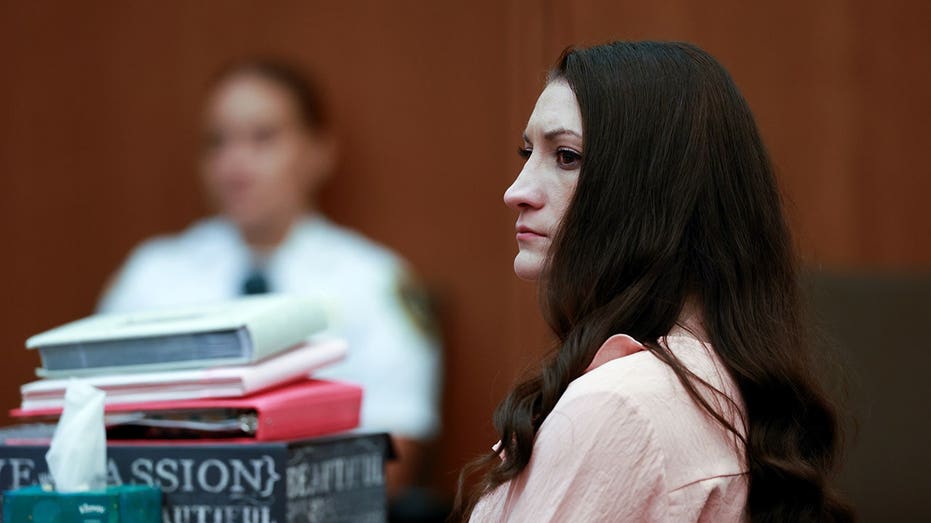
Lindsay Clancy is expected to appear in a Massachusetts courtroom Tuesday as her defense challenges the possibility of a retrial following a deadlocked jury. The judge is also weighing whether to delay a defense request to investigate the lone juror who opposed the other 11 panel members. The dispute centers on access to impounded materials and the legal boundaries surrounding juror deliberations. A status conference may still take place even if the investigation motion is postponed.
| 1) | The defense seeks an inquiry into the holdout juror |
| 2) | Counsel disputes whether the motion is adjourned or continued |
| 3) | A possible hearing could examine outside information |
| 4) | Public statements raise questions about legal exposure |
| 5) | The next phase depends on double jeopardy and prosecution decisions |
The defense seeks an inquiry into the holdout juror
The defense team for Lindsay Clancy has asked the court to investigate Michael P. Desronvil, the only juror who continued to favor a guilty verdict when the panel deadlocked. The other 11 jurors did not agree with him, and the jury ultimately failed to reach a unanimous decision after extended deliberations.
Defense attorney Kevin Reddington has described Desronvil as an obstructionist and is seeking materials that include phone records, a confidential juror questionnaire and police records. The request follows allegations from other jurors that the holdout expressed reasonable doubt but did not properly consider it. The jury deadlock led William Sullivan to declare a mistrial on September 4.
Counsel disputes whether the motion is adjourned or continued
Attorney Edward Paltzik, who represents Desronvil, objected to the timing of the investigation request because his client’s legal team has not received access to impounded materials needed to respond. He said the defense and the Plymouth County District Attorney’s Office agreed to postpone the motion after local counsel requested additional time to review it.
“The DA and Reddington consent to adjourn the motion to investigate Michael,” Paltzik said.
Reddington said the agreement reflected professional courtesy rather than a defeat for the defense. He maintained that the motion remains active and awaits a ruling from Judge Sullivan. The distinction matters because an adjournment may leave a hearing date unspecified, while a continuance generally moves it to another date.
A possible hearing could examine outside information
If the court allows the inquiry to proceed, it could hold a Fidler hearing, during which the judge would question Desronvil about the deliberations. Retired Massachusetts Judge Carol Erskine said such a proceeding has three phases and could address whether information from outside the evidence entered the jury room.
The broader legal issue is manifest necessity, the standard generally required to justify trying a defendant again after a mistrial. Erskine said the defense motion appears unlikely to succeed but may help preserve an argument for a future appeal. A central question would be whether a hypothetical juror could have been influenced by outside information when deciding the case.
Public statements raise questions about legal exposure
The conflict has continued publicly since the mistrial, with jurors and lawyers discussing the deadlock and the holdout’s conduct. Reddington has criticized Desronvil outside court, saying one juror deprived the other panel members of a verdict after weeks of testimony.
Retired Massachusetts Judge Jack Lu described the public dispute among jurors and their representatives as an unusual development. Whether the statements could support a defamation claim would depend on the words used, where they were made and whether they were protected opinions or factual assertions. Statements made during court proceedings generally receive legal privilege, while comments outside court may be examined differently.
The next phase depends on double jeopardy and prosecution decisions
Tuesday’s hearing is expected to address Clancy’s double jeopardy motion, which seeks an outright acquittal and an end to the case. She is appearing in person for the first time since the mistrial. The prosecution has not publicly detailed its plans for a possible second trial.
Criminal defense attorney and former prosecutor Mark Bederow said the legal motions may not resolve the larger question of whether prosecutors will seek another trial. He said the government would need stronger expert testimony to challenge the defense experts and could also improve its jury selection strategy. The final decision will depend on the court’s rulings and the district attorney’s assessment of the case.
| Number | Key point |
|---|---|
| 1 | The jury deadlocked and a mistrial was declared on September 4. |
| 2 | The defense wants an inquiry into lone holdout juror Michael P. Desronvil. |
| 3 | The investigation motion may be delayed while counsel reviews impounded materials. |
| 4 | A possible Fidler hearing could examine whether outside information affected deliberations. |
| 5 | The court must address double jeopardy issues before any retrial decision becomes clear. |
Summary
The proceedings place two related issues before the court: whether Lindsay Clancy can be tried again after the mistrial and whether her defense may investigate the juror who prevented a unanimous verdict. The holdout’s attorney says more time and access to impounded materials are necessary, while the defense insists its motion remains pending. The judge’s rulings and the prosecutor’s eventual decision will determine whether the case moves toward a retrial or further litigation.
Frequently Asked Questions
Why was a mistrial declared?
The jury could not reach a unanimous verdict after deliberations, with one juror maintaining a position that differed from the other 11 members.
Why does the defense want to investigate the holdout juror?
The defense alleges that the juror’s conduct and possible exposure to information outside the trial may have affected deliberations. It is seeking several records and materials to support its request.
What is a Fidler hearing?
It is a proceeding in which a judge may question a juror about possible outside information or misconduct during deliberations.
What happens next?
The court is expected to consider the double jeopardy motion and determine whether the juror investigation will be continued or delayed. Prosecutors must then decide whether to pursue a retrial.