
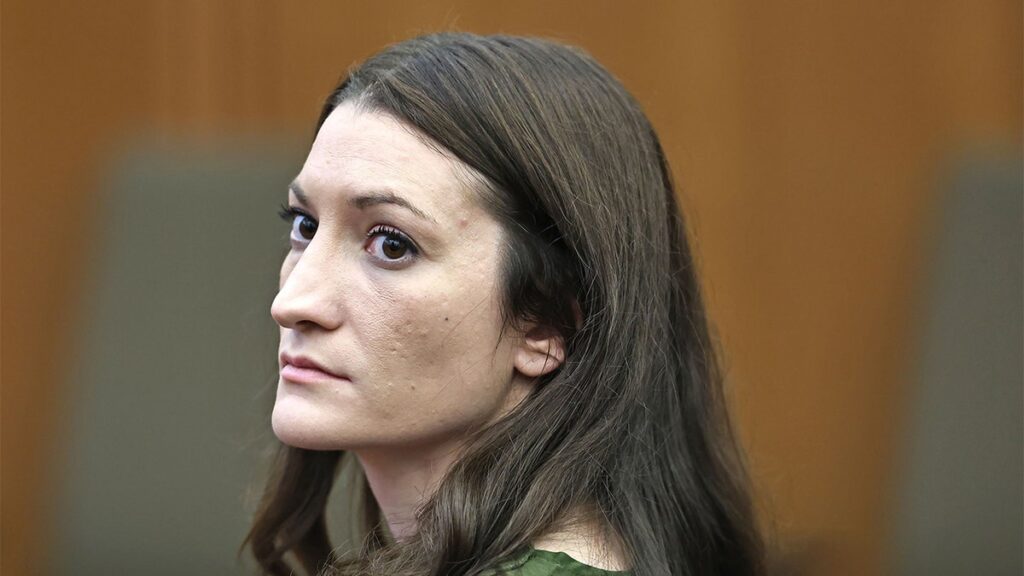
A judge indicated Friday that a mistrial would be declared in the Lindsay Clancy murder trial after jurors reported they could not reach a unanimous verdict. Judge William Sullivan then granted the defense one hour to seek an emergency stay of the ruling. The case has drawn national attention because it centers on Clancy’s mental health when her children died and whether she was criminally responsible. Prosecutors would have to decide whether to pursue another trial with a new jury if the mistrial proceeds.
| 1) | Jury reports it cannot reach a unanimous verdict |
| 2) | Judge indicates a mistrial under the law |
| 3) | Defense receives time to seek an emergency stay |
| 4) | Mental health remains central to the case |
| 5) | Prosecutors may weigh a retrial |
Jury reports it cannot reach a unanimous verdict
The development occurred Friday, September 4, 2026, in the trial of Lindsay Clancy. The jury foreperson sent a note to the court saying the panel was unable to agree unanimously and would not be able to do so. Judge Sullivan read the note aloud in open court, making the jury’s impasse part of the public proceedings.
“It is with a heavy heart that we report we are unable to come to a unanimous decision and will not be able to.”
The deadlock prevented the jury from reaching a final verdict in the case. The report did not indicate that jurors had resolved the central dispute over Clancy’s criminal responsibility.
Judge indicates a mistrial under the law
Judge Sullivan said he believed the law and applicable case law left him no choice other than to declare a mistrial. His statement followed the jury’s formal notice that it could not reach a unanimous decision. A mistrial ends the current trial without a verdict from that jury.
The judge’s indication was the key courtroom action reported Friday. The proceedings remained subject to the defense’s effort to obtain an emergency stay, which could affect whether the mistrial immediately takes effect.
Defense receives time to seek an emergency stay
Although Sullivan indicated that he would declare a mistrial, he granted the defense one hour to pursue an emergency stay. The short delay gave defense attorneys an opportunity to challenge or temporarily halt the ruling through an appeal.
The stay request was the next immediate procedural step identified in court. The available report does not state whether an appellate court granted the request or whether the mistrial ultimately became final.
Mental health remains central to the case
The trial has focused on Clancy’s mental health at the time her children died and on whether she was criminally liable for their deaths. The defense has argued that she suffered from postpartum psychosis, making her mental state a central issue in the proceedings.
The case has attracted national attention because it combines allegations involving the deaths of children with a contested question of mental responsibility. The jury’s inability to reach a unanimous verdict left that question unresolved at the conclusion of the reported trial proceedings.
Prosecutors may weigh a retrial
If the mistrial proceeds, prosecutors would need to decide whether to make another attempt to try the case before a fresh jury. That decision would determine whether the legal dispute continues in a new proceeding or ends without another trial.
No decision by prosecutors was reported Friday. Any future trial would again address Clancy’s mental health, the circumstances surrounding her children’s deaths and the question of criminal liability.
| Number | Key Point |
|---|---|
| 1 | Jurors said they could not reach a unanimous decision. |
| 2 | The judge indicated that a mistrial was required under the law and case law. |
| 3 | The defense received one hour to seek an emergency stay. |
| 4 | Postpartum psychosis and criminal responsibility were central issues. |
| 5 | Prosecutors may consider trying the case again with a new jury. |
Summary
The Lindsay Clancy trial reached a procedural impasse after jurors reported that they could not agree unanimously. Judge Sullivan indicated that a mistrial was required, but gave the defense one hour to seek an emergency stay. The case’s central questions about postpartum psychosis, mental health and criminal responsibility remain unresolved, while prosecutors may now consider whether to pursue a retrial.
Frequently Asked Questions
Why did the judge indicate a mistrial?
The jury reported that it could not reach a unanimous decision. Judge Sullivan said the law and case law left him no apparent alternative to declaring a mistrial.
Why was the defense given one hour?
The judge granted the defense one hour to seek an emergency stay, giving attorneys time to pursue an appeal or temporary halt to the mistrial ruling.
What could happen after a mistrial?
If the mistrial proceeds, prosecutors would decide whether to make another attempt to try the case before a new jury.
What issue was central to the trial?
The trial focused on Clancy’s mental health when her children died, including the defense argument that she suffered from postpartum psychosis, and whether she was criminally responsible.