
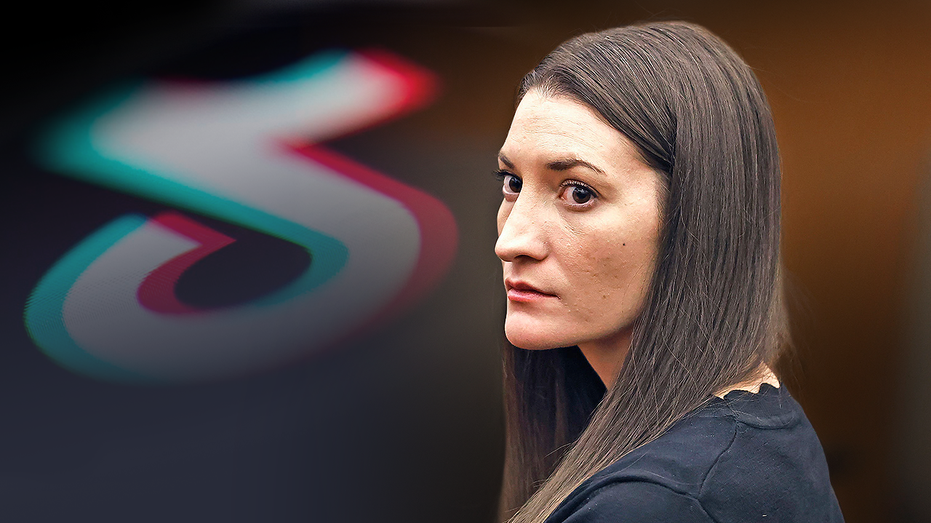
Lindsay Clancy’s defense asked a Massachusetts judge to allow a former McLean Hospital employee to testify about the facility’s staffing and treatment options. The request followed the employee’s TikTok criticism of testimony describing Clancy’s psychiatric care before the deaths of her three children. Judge William Sullivan cautioned that the trial would not become a review of the hospital’s overall quality. Jurors also heard messages in which Clancy described worsening depression, insomnia and intrusive thoughts to psychiatric nurse practitioner Rebecca Jollotta.
| 1) | Defense seeks testimony from former McLean employee |
| 2) | Judge limits debate over hospital quality |
| 3) | Prosecutors challenge the proposed witness |
| 4) | Clancy’s messages describe psychiatric distress |
| 5) | Nurse practitioner explains her interpretation |
Defense seeks testimony from former McLean employee
Defense attorney Kevin Reddington asked Judge Sullivan on Tuesday to add former McLean clinical social worker Emily Thorndike to the witness list. Reddington said Thorndike worked for years on the same short-term unit where Clancy was treated weeks before the deaths of her children.
The defense argued that Thorndike could address the availability of staff and programs at the psychiatric facility. Reddington said earlier testimony had portrayed McLean as a highly resourced institution where numerous clinicians were readily available, while suggesting that Clancy simply refused care. He contended that description gave jurors an inaccurate understanding of her treatment environment.
Judge limits debate over hospital quality
The dispute centered on whether Thorndike’s public comments were relevant to the murder case. Thorndike had posted a TikTok video criticizing what she described as lies and misrepresentations about McLean. Reddington said he located her after seeing the video and believed her professional experience could rebut testimony about the hospital.
Judge Sullivan indicated that he would not allow the trial to turn into a broad assessment of McLean’s reputation or performance. He drew a distinction between evidence about staffing and available treatment programs, which he called a closer legal question, and opinions grading the hospital’s overall care.
“This is not Tripadvisor,” Sullivan said.
The judge took the defense motion under advisement and had not ruled on whether Thorndike could testify.
Prosecutors challenge the proposed witness
Prosecutors opposed adding Thorndike, emphasizing that she left McLean about a year before Clancy’s stay. They argued that she had no firsthand knowledge of Clancy’s treatment, the decisions made by her clinicians or the specific care available to her during the relevant period.
The prosecution also pointed to Thorndike’s activity during the trial. According to the arguments presented in court, she had been following proceedings online before posting her views. Prosecutors therefore questioned whether her proposed testimony would be based on personal knowledge or on information learned from the case and social media.
Clancy’s messages describe psychiatric distress
The witness-list dispute came before jurors heard messages Clancy sent to Jollotta in late November and early December 2022. Clancy reported worsening depression, severe insomnia, medication changes and intrusive thoughts. On Nov. 30, she said she was not at the point of being suicidal but also wrote that she felt unable to continue living as she had been.
In later messages, Clancy described feeling hopeless, unmotivated and numb. On Dec. 1, she reported new intrusive thoughts and expressed fear about starting medications because of possible side effects. The next morning, she wrote that she had awoken with intrusive thoughts of wanting everything to be over and later said she was willing to try anything.
On Dec. 3, Clancy said that after going without Ativan she experienced horrible intrusive thoughts and deep depression. She reported that the thoughts disappeared and she felt better after taking 0.5 milligrams of the medication.
Nurse practitioner explains her interpretation
Rebecca Jollotta testified that she understood Clancy’s messages as evidence of depression and anhedonia, or an inability to experience pleasure, rather than suicidal ideation. Based on that interpretation, Jollotta did not direct Clancy to go immediately to an emergency room.
The testimony addressed how Clancy’s words were understood by a medical provider at the time, including the distinction between intrusive thoughts, depression and an expressed intent to die. Prosecutors have alleged that Clancy deliberately strangled her children before attempting suicide. She faces first-degree murder charges in the deaths of 5-year-old Cora, 3-year-old Dawson and 8-month-old Callan.
| Number | Key Point |
|---|---|
| 1 | The defense wants former McLean employee Emily Thorndike added as a witness. |
| 2 | The proposed testimony concerns hospital staffing and treatment options. |
| 3 | The judge has not ruled on whether Thorndike may testify. |
| 4 | Jurors heard Clancy’s messages about depression, insomnia and intrusive thoughts. |
| 5 | Jollotta said she interpreted the messages as depression symptoms rather than suicidal ideation. |
Summary
The court is weighing a narrow defense request involving McLean Hospital’s staffing and treatment resources, while excluding a general debate over the facility’s quality. The decision could determine whether jurors hear from a former employee who has criticized testimony about Clancy’s care. Separately, Jollotta’s account of Clancy’s messages provides evidence about how her mental-health symptoms were understood before the children’s deaths.
Frequently Asked Questions
Who is Emily Thorndike?
Thorndike is a former McLean clinical social worker who worked on the same short-term unit where Clancy was treated and later discussed the hospital on TikTok.
Why does the defense want Thorndike to testify?
The defense says her experience could challenge testimony about McLean’s staffing, treatment options and the claim that Clancy refused available care.
What did Rebecca Jollotta testify?
Jollotta said she interpreted Clancy’s messages as signs of depression and anhedonia rather than suicidal ideation and did not send her immediately to an emergency room.