
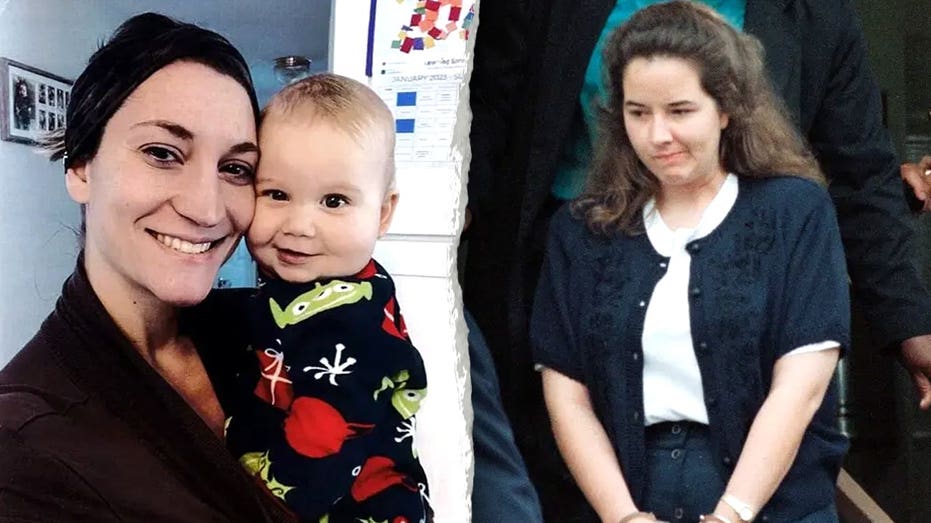
A former prosecutor in the Susan Smith murder case says the women seated on Lindsay Clancy’s jury could be less sympathetic than expected. Clancy is charged with killing her three children at the family’s Duxbury, Massachusetts, home in January 2023, while her defense argues she was experiencing postpartum psychosis. The jury includes 12 women and six men, although only 12 jurors will deliberate. Testimony was expected to conclude Wednesday, with closing arguments anticipated Thursday.
The case has focused on whether Clancy was criminally responsible when Cora, Dawson and Callan died. Prosecutors have challenged the reliability and significance of her reported hallucinations, while defense experts have described her as acting under an overpowering command hallucination.
| 1) | Jury composition and the potential impact of personal experience |
| 2) | How Clancy’s paralysis could shape jurors’ perceptions |
| 3) | The prosecution’s challenge to the psychosis defense |
| 4) | The defense account of command hallucinations |
| 5) | The trial’s broader focus on postpartum mental health |
Jury composition and the potential impact of personal experience
Tommy Pope, the South Carolina lawmaker who prosecuted Susan Smith, said the jury’s composition could create an unexpected dynamic. The panel seated in Plymouth Superior Court consists of 12 women and six men, with six jurors ultimately serving as alternates. Before deliberations begin, 12 members will be selected to decide whether the prosecution has proved the murder charges.
Pope said women who experienced postpartum depression or severe difficulties after childbirth could respond in different ways. Some may identify with Clancy’s mental-health claims, while others who endured similar struggles and remained focused on caring for their children could view the allegations more critically.
“While a woman may have even faced postpartum depression, she may have overcome it and then be less sympathetic to Clancy,” Pope said.
How Clancy’s paralysis could shape jurors’ perceptions
Clancy is paralyzed and appeared in court in a wheelchair during the trial. Her physical condition resulted from injuries sustained after the deaths, although the prosecution and defense differ in describing how those injuries occurred. Pope said the visible consequences could affect how jurors understand punishment, even though her condition does not resolve the question of criminal responsibility.
The former prosecutor said some jurors could conclude that Clancy has already suffered a severe consequence. He suggested that this reaction might be particularly relevant among male jurors, though the effect on any individual juror cannot be predicted.
“You have somebody that’s now paralyzed, which obviously doesn’t equate to killing three children,” Pope said. “But some jurors … would think, well, she’s already punished.”
The prosecution’s challenge to the psychosis defense
Prosecutors have argued that postpartum psychosis does not automatically eliminate criminal responsibility. During testimony, forensic psychiatrist Gregory Saathoff told jurors that Clancy’s account of auditory hallucinations was unusual because she had not previously reported hearing voices to several mental-health professionals and medical staff.
Saathoff also said the reported voice stopped after Clancy strangled her youngest son. Psychologist Kirk Heilbrun testified that a person experiencing a command hallucination can, in some cases, still conform their conduct to the law. That testimony was presented as a challenge to the defense theory that Clancy could not control her actions.
The defense account of command hallucinations
Clancy’s attorneys have argued that she was not criminally responsible because she was experiencing postpartum psychosis when her children died. Defense forensic psychiatrist Phillip Resnick testified that Clancy described feeling like a puppet whose body was controlled by an external force.
According to the defense account, Clancy was in a dreamlike state and acted under a command hallucination. The jury must weigh that testimony against prosecution evidence and determine whether the mental-health condition meets the legal standard required to defeat criminal responsibility.
The trial’s broader focus on postpartum mental health
The proceedings have also prompted discussion about postpartum mental-health support and the information provided to new mothers. A person outside the courthouse said the case highlighted gaps in funding, education and guidance after childbirth, while emphasizing that the deaths remain difficult to hear about.
The allegations against Clancy involve the deaths of Cora, Dawson and Callan, all younger than six, at the family’s home in Duxbury in January 2023. The trial’s outcome will turn on the evidence and Massachusetts law, but the testimony has also drawn attention to how postpartum conditions are recognized, treated and evaluated in criminal cases.
| No. | Key Point |
|---|---|
| 1 | Clancy faces three first-degree murder charges in the deaths of her three children. |
| 2 | The jury panel has 12 women and six men, with alternates removed before deliberations. |
| 3 | Prosecutors dispute whether reported hallucinations prevented Clancy from following the law. |
| 4 | Defense experts say Clancy acted under a command hallucination during postpartum psychosis. |
| 5 | Closing arguments were expected Thursday after testimony concluded. |
Summary
The jury in Lindsay Clancy’s murder trial must assess competing evidence about postpartum psychosis, hallucinations and criminal responsibility. Commentary from Tommy Pope highlights two possible influences on deliberations: jurors’ personal experiences with postpartum depression and their reaction to Clancy’s paralysis. Neither factor determines the verdict, which will depend on the evidence presented and the applicable law.
Frequently Asked Questions
What charges does Lindsay Clancy face?
Clancy faces three counts of first-degree murder in connection with the deaths of her children, Cora, Dawson and Callan.
How is the jury composed?
The seated panel includes 12 women and six men. Six members are alternates, and 12 jurors will deliberate after the alternates are dismissed.
What is the defense arguing?
The defense argues that Clancy was experiencing postpartum psychosis and acted under a command hallucination, making her not criminally responsible for the deaths.