
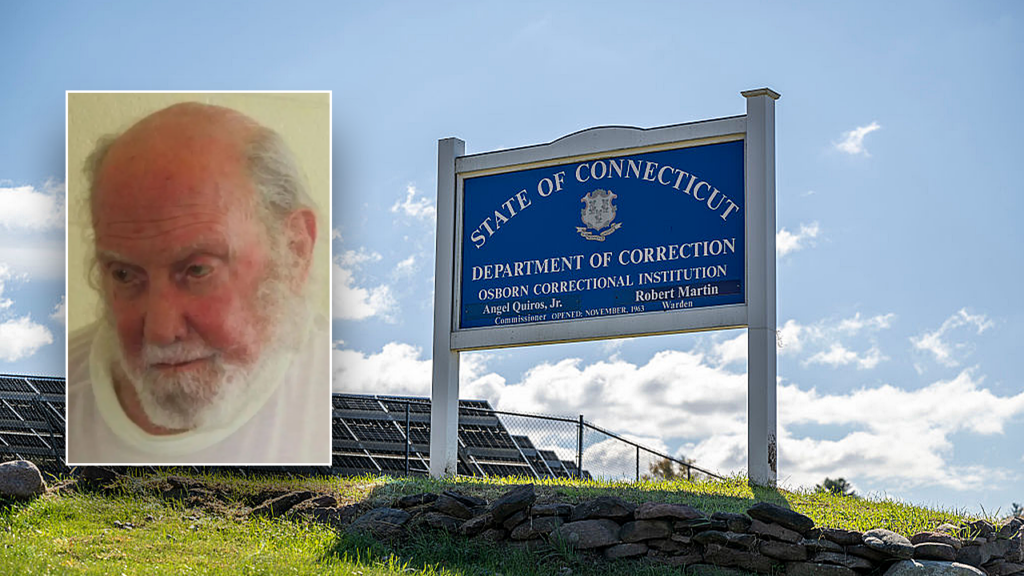
Francis Clifford Smith, a man widely recognized as the longest-serving prisoner in U.S. history, passed away at the age of 101. Smith, who had spent nearly eight decades behind bars, maintained his innocence despite a murder conviction that led to his death sentence, which was postponed eight times throughout his life. His death marks the end of a lengthy legal saga that began in 1949, illuminating ongoing debates surrounding the criminal justice system, wrongful convictions, and the death penalty in the United States.
| Article Subheadings |
|---|
| 1) The Life and Conviction of Francis Clifford Smith |
| 2) The Evolution of His Case |
| 3) The Impact of His Death Sentence |
| 4) The Final Years of Smith’s Life |
| 5) Broader Implications on Criminal Justice Reform |
The Life and Conviction of Francis Clifford Smith
Francis Clifford Smith was born in 1922 and became a pivotal figure in discussions about the American justice system as the longest-serving inmate, remaining in prison for 76 years. He was sentenced to death in 1950 after being found guilty of murdering Grover Hart, a 68-year-old night watchman, during an attempted robbery at a Connecticut yacht club in 1949. Smith was just 25 years old at the time of his conviction. Alongside him was another man, George Lowden, who initially implicated Smith during their arrest. However, Lowden later recanted his testimony, claiming police coerced him into making a false statement. Nevertheless, Smith’s conviction remained, leading him to consistently proclaim his innocence until his death.
The Evolution of His Case
Over the decades, developments in Smith’s case sparked controversy and calls for justice. Appeals and campaigns for his exoneration were fueled by recantations from witnesses and claims of unreliable evidence. A notable factor was the testimony from Major Leo Carroll, a police officer involved in Smith’s interrogation, who expressed doubt over Smith’s presence at the crime scene. “I’m not even sure he was present at the murder,” Major Carroll testified before the Board of Pardons. The repeated emergence of new evidence saw Smith’s death penalty commuted to life imprisonment in 1954, yet he never received a new trial despite the significant doubts surrounding his original conviction.
The Impact of His Death Sentence
Smith’s case became emblematic of the complexities and potential injustices within the death penalty system. His execution was slated to occur eight times, only to be postponed repeatedly due to various legal challenges and new evidence. These postponements prompted a national dialogue on the efficacy and morality of the death penalty, especially in cases with questionable evidence. Smith’s conviction not only raised concerns about wrongful convictions but also shone a light on the psychological toll such a prolonged period of uncertainty can inflict on an individual.
The Final Years of Smith’s Life
In his later years, Smith was diagnosed with dementia and moved to a nursing facility catering specifically to the elderly in the justice system. Despite his frail health, he reportedly maintained a degree of lucidity until his passing in late June 2023. Following his death on June 25, he was cremated without a funeral, reflecting a life of isolation that was starkly different from the attention and activism his case garnered throughout the years. “He died of old age,” said a spokesman for the facility housing Smith, emphasizing the dignity with which his final days were spent.
Broader Implications on Criminal Justice Reform
The legacy of Francis Clifford Smith’s life and death underscores a pressing need for reform in the American criminal justice system. His prolonged incarceration raises ethical questions regarding the reliability of witness testimony, the role of law enforcement in securing convictions, and the potential for wrongful executions. As legal advocates and nonprofit organizations push for policies that better protect the rights of individuals wrongfully convicted, Smith’s case provides a poignant reminder of the real lives impacted by systemic flaws in the criminal justice system. The public discourse surrounding ethical standards in law enforcement and courtroom procedures continues to evolve, with Smith’s story serving as a case study in the urgency of these reforms.
| No. | Key Points |
|---|---|
| 1 | Francis Clifford Smith was the longest-serving prisoner in U.S. history, passing at the age of 101. |
| 2 | Smith was convicted of murder in 1950 but maintained his innocence throughout his life. |
| 3 | His execution was delayed eight times, leading to national conversation about the death penalty’s validity. |
| 4 | Smith served 76 years in prison and was subjected to substantial legal battles and psychological strain. |
| 5 | His story highlights ongoing issues surrounding wrongful convictions and calls for significant criminal justice reform. |
Summary
The life and death of Francis Clifford Smith provide a profound insight into the complexities of the American legal system, particularly regarding issues of wrongful convictions and the death penalty. Smith’s unwavering claim of innocence, along with the contentious evidence surrounding his case, emphasizes the need for systemic change in the justice system. As discussions about reform gain momentum, Smith’s legacy will likely serve as a cornerstone for advocacy aimed at preventing future injustices within the legal framework.
Frequently Asked Questions
Question: Why did Francis Clifford Smith maintain his innocence for so long?
Throughout his life, Smith consistently maintained that he was wrongfully convicted, citing insufficient and questionable evidence against him. His claims were supported by witness recantations and legal challenges that questioned the validity of his conviction.
Question: What impact did his case have on the death penalty debate?
Smith’s prolonged detention and the circumstances surrounding his conviction raised significant ethical concerns about the death penalty, influencing national conversations on wrongful executions and the need for reform in legal proceedings.
Question: What does Smith’s story highlight about the U.S. criminal justice system?
Smith’s case underscores the vulnerabilities within the criminal justice system when it comes to witness testimonies, police practices, and the overall integrity of legal processes, illustrating the potential for serious injustices to arise.