
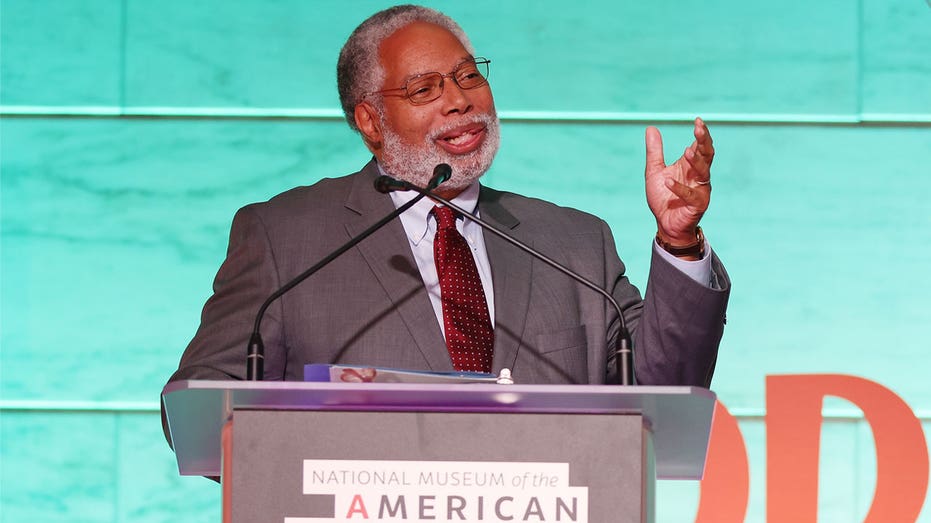
Lonnie Bunch III, secretary of the Smithsonian Institution since 2019, will retire from the position by the end of 2026. His departure comes as the Trump administration increases scrutiny of the Smithsonian’s leadership, exhibitions and institutional policies. The administration has accused the museum system of allowing progressive ideology to influence its presentation of American history and has raised concerns about possible violations of federal nondiscrimination law.
Bunch announced the decision Tuesday, September 8, describing the Smithsonian as one of the great loves of his life. He has spent nearly four decades associated with the institution, including service as founding director of the National Museum of African American History and Culture.
The retirement follows mounting political pressure over national museums and how they interpret the country’s history. The administration has warned that federal support could be affected if concerns about ideology, workplace practices and resource allocation are not addressed.
| No. | Article subheadings |
|---|---|
| 1 | Bunch announces retirement after seven years as secretary |
| 2 | Trump administration scrutiny centers on Smithsonian direction |
| 3 | Federal concerns include alleged discrimination and ideology |
| 4 | Bunch leaves a long record at the Smithsonian |
| 5 | Regents prepare transition and successor search |
Bunch announces retirement after seven years as secretary
Lonnie Bunch III said Tuesday that he would leave the Smithsonian secretary’s office by the end of 2026. He has led the institution since June 2019, becoming its 14th secretary and the first African American and first historian to hold the position. He cited gratitude for his career and confidence in the staff continuing the institution’s work.
“It is with very mixed emotions and heartfelt gratitude that I announce my retirement from the Smithsonian. I have spent nearly half of my life working at and being part of the Smithsonian family, and what a privilege it has been.”
Trump administration scrutiny centers on Smithsonian direction
The retirement arrives as the Trump administration seeks to influence how the Smithsonian presents American history. Officials have criticized what they describe as progressive or improper ideology in museum programming and interpretation, arguing that conservative perspectives may have been excluded from national institutions.
A 2025 executive order directed officials to pursue the removal of what the administration characterized as improper ideology from the Smithsonian. The dispute has focused on exhibitions and the institution’s approach to race, identity and the nation’s history. Federal support could be affected if the concerns remain unresolved.
Federal concerns include alleged discrimination and ideology
A recently publicized Department of the Interior letter said the Smithsonian’s institutional culture may have resulted in significant violations of federal antidiscrimination law. The letter raised allegations involving a potentially hostile work environment and the allocation of opportunities, funding and other benefits based on race, ethnicity or other protected characteristics.
The letter did not provide specific evidence of illegal conduct, and no additional information about the allegations was supplied. The administration said a response should address executive leadership and what it described as institutional ideology. The claims remain part of an ongoing political and administrative dispute rather than established findings of wrongdoing.
Bunch leaves a long record at the Smithsonian
Lonnie Bunch III first joined the Smithsonian in 1978 and worked there for much of the following four decades, apart from a period as president of the Chicago Historical Society. His most prominent earlier role was founding director of the National Museum of African American History and Culture, which he led from 2005 until its opening in 2016.
His career has included work at the National Air and Space Museum and the National Museum of American History. As secretary, he oversaw museums, research centers and educational programs serving audiences in Washington and beyond. Supporters have credited him with advancing the Smithsonian’s national mission and expanding representation of African American history.
Regents prepare transition and successor search
John Roberts, the chief justice of the United States and the Smithsonian’s chancellor, praised Bunch’s service and said the institution would work with him on a smooth transition. Roberts highlighted Bunch’s progression from curator to founding museum director and then to senior leadership.
Franklin D. Raines, chair of the Smithsonian Board of Regents, said the board would announce an acting secretary and begin a national search for Bunch’s successor. The process will occur while the institution faces pressure over exhibitions, workplace policies, its federal relationship and its interpretation of American history.
| No. | Key point |
|---|---|
| 1 | Bunch will retire as Smithsonian secretary by the end of 2026. |
| 2 | The Trump administration is challenging the institution’s leadership and presentation of history. |
| 3 | Federal officials raised allegations involving ideology, workplace conditions and resource allocation. |
| 4 | The allegations were not accompanied by specific evidence of illegal activity. |
| 5 | The Board of Regents will name an acting secretary and conduct a national search. |
Summary
Bunch’s retirement marks a leadership change at the Smithsonian during a sharp dispute over museum governance and historical interpretation. His successor will manage the transition while responding to federal scrutiny over alleged ideological influence and possible nondiscrimination concerns. The Board of Regents’ selection process may shape the institution’s direction as the political debate continues.
Frequently Asked Questions
When will Lonnie Bunch leave the Smithsonian?
Bunch said he will retire from the secretary position by the end of 2026.
Why is the Smithsonian facing scrutiny?
The Trump administration says progressive ideology has influenced the Smithsonian’s presentation of American history and has raised concerns about workplace practices and institutional resources.
What happens after Bunch’s retirement announcement?
The Board of Regents plans to appoint an acting secretary and begin a national search for a permanent successor.