
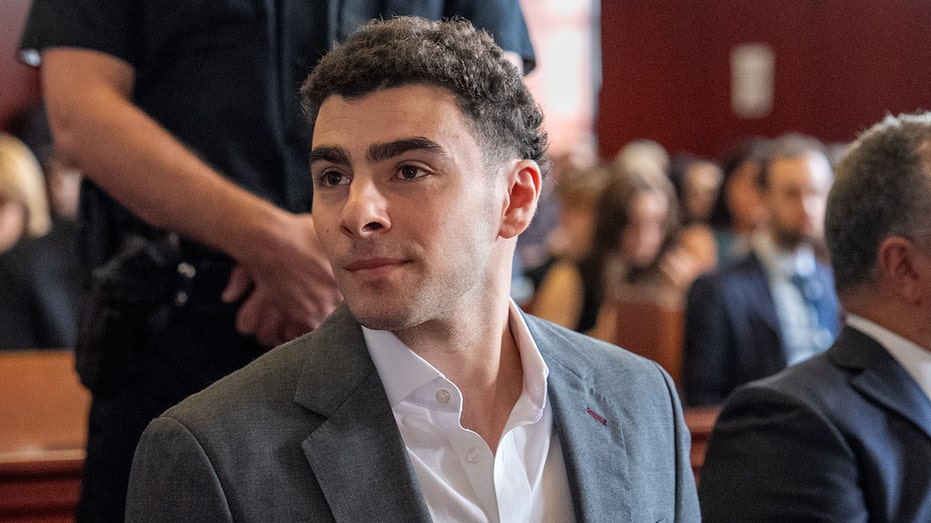
Jurors in the state murder trial of Luigi Mangione will remain anonymous after prosecutors cited threats, harassment and public pressure surrounding the case. Judge Gregory Carro ruled that jurors’ names and addresses will be withheld from the public and disclosed only to the parties. The trial is scheduled to begin with jury selection on Sept. 8 in Manhattan. Carro also approved an overflow room for reporters and other spectators, while warning that courtroom rules would be strictly enforced.
Mangione has pleaded not guilty to eight state charges, including second-degree murder, in the shooting death of UnitedHealthcare chief executive Brian Thompson. The defense has sought broader media access, including a televised trial, while prosecutors have raised concerns about witness intimidation, jury interference and unauthorized recordings.
| 1) | Juror anonymity follows threats and harassment concerns |
|---|---|
| 2) | Court weighs public access and courtroom security |
| 3) | Defense and prosecution clash over trial publicity |
| 4) | Trial schedule and overflow-room arrangements |
| 5) | The underlying charges and parallel federal case |
Juror anonymity follows threats and harassment concerns
In an order published Aug. 11, Carro said the case had generated extensive pretrial publicity, demonstrations outside the courthouse and hostile statements by some people identifying themselves as Mangione supporters. Prosecutors also documented threats, harassment and the exposure of personal information involving people perceived to be connected to the case, including witnesses.
The judge ordered that jurors’ names and addresses remain secret from everyone except the parties. He said the measure was intended both to protect jurors from harassment and to preserve Mangione’s right to a fair trial. The defense argued that prosecutors had not shown an actual, existing threat required under state law, but Carro rejected that position.
“These measures do not close the courtroom, limit public access to the proceedings, or impose any prior restraint on press coverage,” Carro wrote.
Court weighs public access and courtroom security
The judge said the court was considering ways to expand access rather than reduce it. He approved an overflow room expected to accommodate more than 80 journalists who cannot fit in the main courtroom, particularly during jury selection, when prospective jurors will occupy additional seats.
Prosecutors had requested strict enforcement of courtroom rules and warned that an overflow room could make it harder for court officers to prevent unauthorized recordings. They recommended an audio-only feed if the room was approved. Carro did not specify that the room would be audio-only, but he warned that anyone using a phone in either courtroom area would be removed.
Defense and prosecution clash over trial publicity
Mangione’s attorneys have sought greater media access and requested that the trial be livestreamed, although New York law does not typically permit televised criminal trials. The defense has also challenged arrangements governing which journalists may attend, expressing concern that the Manhattan District Attorney’s Office could influence media access.
Carro rejected that concern and told both sides that he did not want further argument on the issue. Prosecutors, meanwhile, said the high level of attention could place extraordinary pressure on witnesses and potential jurors. At least one pool reporter will have a guaranteed seat in the main courtroom during jury selection.
Trial schedule and overflow-room arrangements
The court’s Tuesday hearing was expected to be the final conference before the state trial begins. Jury selection is scheduled for Sept. 8 in Manhattan. Carro directed the parties to identify any remaining disagreements over the jury questionnaire before it is finalized.
Defense lawyer Marc Agnifilo said the defense would welcome two overflow rooms, reflecting the team’s view that interest in the proceedings will exceed the capacity of the main courtroom. Some public supporters of Mangione have obtained city-issued press passes, adding to the court’s concerns about managing access and maintaining decorum.
The underlying charges and parallel federal case
Prosecutors allege that Thompson was shot outside a Manhattan hotel on Dec. 4, 2024, while walking to a business conference. Thompson, a 50-year-old father of two from Minnesota, was chief executive of UnitedHealthcare. Police arrested Mangione days later at a McDonald’s in Altoona, Pennsylvania.
Mangione has pleaded not guilty to eight state charges, including second-degree murder, which carries a maximum sentence of 25 years to life in prison under New York law. His defense announced plans for a psychiatric defense in June before withdrawing them a day later. A parallel federal case is expected to go to trial early next year.
| Number | Key Point |
|---|---|
| 1 | Juror names and addresses will remain confidential. |
| 2 | An overflow room will provide space for additional reporters and spectators. |
| 3 | Jury selection is scheduled to begin Sept. 8. |
| 4 | Mangione has pleaded not guilty to eight state charges. |
Summary
The court is seeking to balance public access with the safety and independence of jurors and witnesses in a highly publicized case. Anonymous jurors, controlled overflow access and strict phone restrictions will shape proceedings as the Sept. 8 trial date approaches. The measures do not close the courtroom, but they reflect the court’s response to documented security and harassment concerns.
Frequently Asked Questions
Why will the jurors remain anonymous?
Judge Gregory Carro said the protection was necessary because prosecutors documented threats, harassment and exposure of personal information involving people connected to the case.
When is jury selection scheduled?
Jury selection is scheduled to begin Sept. 8, 2026, in Manhattan.
Will the trial be livestreamed?
The defense has requested a livestream, but the judge did not rule on that request in the order and hearing described here.