
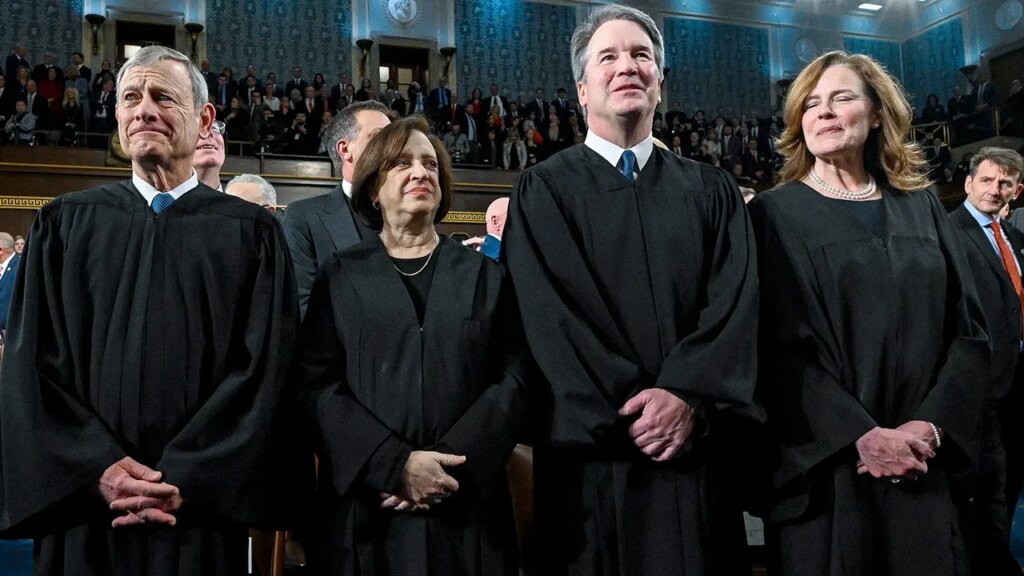
A man has been apprehended for allegedly submitting a falsified Supreme Court order containing the forged signature of Chief Justice John Roberts in an attempt to dismiss his criminal case in Indiana. The suspect, identified as Joshua M. Culver, was arrested in Colorado following an indictment from a federal grand jury, accusing him of multiple counts of impersonating a federal officer and using a forged document. This incident highlights growing concerns regarding impersonation of government officials and the potential consequences such actions could have on the legal system.
| Article Subheadings |
|---|
| 1) Background of the Case |
| 2) The Alleged Impersonation Attempts |
| 3) Legal Implications of the Charges |
| 4) Reaction from Authorities |
| 5) Potential Consequences for Culver |
Background of the Case
The saga began when Joshua M. Culver allegedly submitted a document titled “Order of Dismissal With Prejudice” to the Grant County Superior Court in Indiana on September 24, 2025. This document purportedly bore the forged signature of Chief Justice John Roberts along with a counterfeit U.S. Supreme Court seal, designed to lend credibility to the dismissal. Culver’s primary motive, as indicated by federal prosecutors, was to evade prosecution in a criminal case against him in Indiana.
The indictment reveals that Culver’s actions were part of a larger pattern of impersonating federal officials, raising questions about his mental state and intent. His calculated approach included bypassing legal protocols that govern the dismissal of criminal cases, a privilege strictly reserved for authorized court personnel.
The Alleged Impersonation Attempts
The indictment brought against Culver outlines a series of impersonations, starting with his alleged claim of being a National Security Agency (NSA) agent. Just five days prior to submitting the forged Supreme Court order, he reportedly contacted the Tippecanoe County Sheriff’s Office, misrepresenting himself as an NSA official. During this interaction, Culver is alleged to have made multiple requests that the Sheriff’s department would typically refuse, including a welfare check on his daughter and demands for information concerning her whereabouts.
Prosecutors assert that Culver’s impersonation extended beyond a single agency. For instance, he allegedly called the workplace of an individual referred to as “Individual A,” claiming that this person was obstructing a federal investigation into a child kidnapping. He purportedly threatened arrest for federal felonies while asserting his authority as a federal agent, further showcasing the lengths Culver was willing to go to in his impersonation scheme.
Legal Implications of the Charges
Culver faces serious legal consequences, including four counts of falsely impersonating a U.S. officer or employee and one count concerning the use of a forged federal judge’s signature and court seal. The implications of these charges are significant, not only for Culver but also for the integrity of the judicial system. Such impersonation can undermine public trust in government institutions, especially when individuals exploit these institutions to evade justice.
If convicted, Culver could face substantial prison time, substantial fines, or both. Legal experts suggest that impersonating a federal officer is treated as a serious offense due to the risk it poses to public safety and the operational capabilities of law enforcement agencies. The severity of the charges reflects how the legal system prioritizes preserving its integrity.
Reaction from Authorities
The allegations against Culver have prompted a strong reaction from law enforcement and judicial authorities. Officials have reiterated their commitment to upholding the law against individuals who attempt to manipulate the legal system for personal gain. The indictment underscores a broader concern within the justice system regarding the impersonation of federal officials, which has become increasingly prevalent.
Furthermore, authorities have started to explore this case as part of a larger investigation into similar incidents across the country. This case serves as a warning to others who might consider undertaking similar fraudulent actions, with the judicial system focusing on robust measures to deter such behavior.
Potential Consequences for Culver
As the case unfolds, the potential consequences for Joshua M. Culver remain severe. Apart from the legal ramifications, Culver may face reputational damage that could affect future opportunities and interactions within the community. The seriousness with which authorities are treating these charges indicates a zero-tolerance policy towards such actions.
Moreover, if convicted, Culver’s sentencing could lead to imprisonment, which would further complicate his life circumstances. As his case continues through the judicial process, he will have the opportunity to mount a defense, but the weight of the evidence against him, as presented in the indictment, poses a significant challenge.
| No. | Key Points |
|---|---|
| 1 | Joshua M. Culver has been arrested for impersonating a federal official. |
| 2 | He is accused of submitting a falsified Supreme Court order in an attempt to dismiss his criminal case. |
| 3 | Culver’s alleged impersonation behaviors have included contacting law enforcement as an NSA agent. |
| 4 | The legal ramifications of his actions could result in significant prison time and fines. |
| 5 | Authorities are prioritizing the integrity of the judicial system in response to impersonation cases. |
Summary
The case against Joshua M. Culver underscores serious concerns about impersonation within the legal system, emphasizing the weighty implications of such actions on individual accountability and the integrity of governance. As the proceedings continue, it remains evident that the judiciary remains vigilant in its efforts to combat fraudulent behavior, reinforcing the rule of law and protection against those who would attempt to exploit it.
Frequently Asked Questions
Question: Who is Joshua M. Culver?
Joshua M. Culver is a man accused of using a forged signature of Chief Justice John Roberts in an attempt to manipulate the legal system by having his criminal case dismissed.
Question: What charges is Culver facing?
Culver has been indicted on four counts of falsely impersonating a U.S. officer or employee and one count concerning the use of a forged federal judge’s signature and court seal.
Question: What are the potential consequences for Culver?
If convicted, Culver could face significant prison time and fines, given the seriousness of the charges related to impersonating a federal official.