
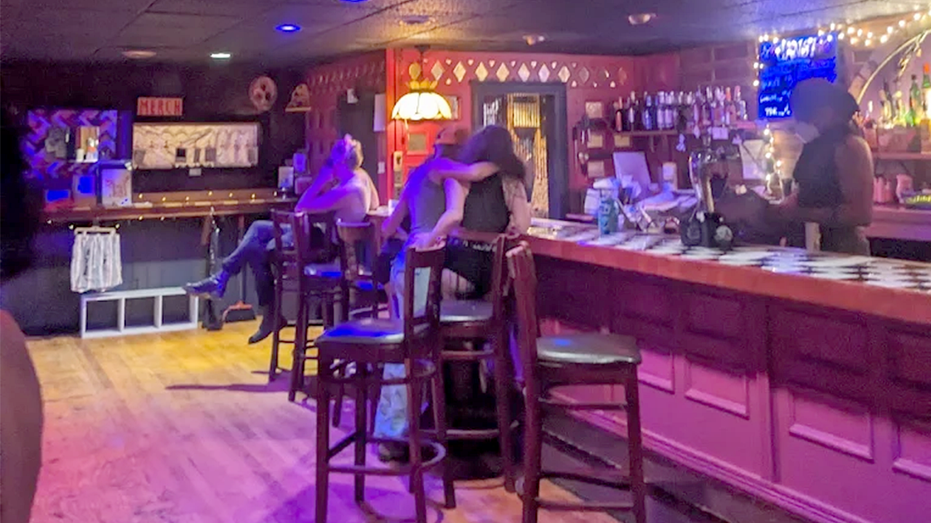
Last Ditch Bar and Arts Venue in Greenfield, Massachusetts, is facing intense community criticism after making masks optional on Saturday nights. The policy change was intended to attract more customers and help the financially struggling lesbian bar remain open. Critics accused the business of endangering disabled and immunocompromised patrons, while the venue said it was trying to balance accessibility with its survival.
The dispute has led to boycott calls, hostile online comments and a tense community meeting. The bar’s remaining day-to-day owner, Jackie Matellian, has described severe personal and business financial difficulties.
Saturday attendance has reportedly remained low despite drink specials and DJs, leaving the venue’s future uncertain.
| 1) | Mask policy changes at the Greenfield venue |
| 2) | Criticism from disabled and immunocompromised patrons |
| 3) | Financial pressure facing the bar |
| 4) | Community meeting intensifies the dispute |
| 5) | Saturday strategy fails to restore attendance |
Mask policy changes at the Greenfield venue
Last Ditch Bar and Arts Venue changed its rules in August, allowing customers to attend without masks on Saturdays. Previously, patrons were expected to wear face coverings except while eating or drinking. The change applied only one night each week and was presented as an effort to increase revenue while keeping the Greenfield business open.
The venue described the change in an Instagram post as opening Saturday nights to “mask optional” attendance. The policy was especially significant because the bar had adopted its mask requirement to make the space more accessible to disabled and immunocompromised customers.
Criticism from disabled and immunocompromised patrons
Some members of the local queer community said the change put vulnerable customers at risk and called it ableist. Online commenters described the decision as part of a “mass disabling event” and a “eugenicist” attack. One commenter also directed a threat of violence at the venue, while others called for a boycott.
Critics questioned why COVID-19 protections should be relaxed on Saturday nights and argued that the policy excluded people who remained concerned about infection. The controversy also expanded to the wording of the venue’s announcement, which critics said lacked written alternative text for people using screen readers.
“This is not an accessible post.”
The venue apologized for what it called a passive and dismissive tone, saying it understood that people faced different needs and circumstances.
Financial pressure facing the bar
The policy change came as Last Ditch was already under substantial financial strain. Its business model included a rule that nobody would be denied entry for lack of funds, limiting the venue’s ability to rely on ticket revenue. The owners reportedly fell behind on bills and were unable to pay themselves or their staff.
Jackie Matellian, the owner still involved in daily operations, reportedly lived in a truck for six months while working four jobs and carrying a $50,000 loan. The landlord was seeking $3,900 by the end of September. Two other owners had stepped back from daily operations months earlier.
The venue said making Saturdays mask optional was intended to draw a larger crowd and generate enough income to continue operating, not to abandon accessibility as a general goal.
Community meeting intensifies the dispute
Last Ditch addressed the controversy at a community meeting on September 11. Some attendees participated through Zoom, and comments from the online discussion were read aloud to people attending in person.
The meeting produced additional disputes about the use of a licensed therapist as mediator. Some attendees objected that the mediator was white and said the discussion centered the feelings of predominantly white staff and supporters. Others questioned the therapist’s presence because of mandatory reporting obligations, saying it made them feel unsafe. These were allegations raised by attendees, not established findings.
Jackie Matellian became emotional while describing the burden of taking over the business after the other owners withdrew from daily operations.
“It was not my passion project. I never really wanted this. I don’t think I’m doing a very good job.”
Saturday strategy fails to restore attendance
The mask-optional Saturdays have not produced the hoped-for recovery. The bar has reportedly been nearly empty on recent weekends, even with drink deals and DJs that previously attracted larger crowds. The weak turnout has continued while critics maintain pressure online and some former customers call for a boycott.
A suggestion for a Lady Gaga-themed event also drew a negative response from a bartender, who said the singer was “canceled” and described her as a Zionist. The exchange illustrated the tensions surrounding attempts to rebuild the venue’s audience as its financial problems worsen.
| Number | Key Point |
|---|---|
| 1 | Masks became optional at the bar on Saturdays. |
| 2 | Critics said the change endangered disabled and immunocompromised patrons. |
| 3 | The venue cited serious financial difficulties and declining attendance. |
| 4 | A September community meeting failed to resolve the conflict. |
Summary
The dispute at Last Ditch reflects a conflict between public health access and the financial pressures facing a small community venue. The bar’s decision to relax masking on Saturdays has not yet improved business and has instead generated criticism from patrons who depended on the former policy. Its future will depend on whether it can address those concerns while generating enough revenue to remain open.
Frequently Asked Questions
Why did the bar make masks optional on Saturdays?
The venue said it was trying to increase Saturday attendance and revenue because it was struggling to pay bills, staff and owners.
Why did customers object to the change?
Critics said the policy could expose disabled and immunocompromised patrons to greater health risks and undermine the bar’s previous accessibility policy.
Did the policy change improve business?
Reportedly, no. Recent Saturday nights remained nearly empty despite drink specials and DJs.
What happened at the September community meeting?
Attendees challenged the policy, the venue’s communication and the identity and role of the therapist who helped mediate the discussion.