
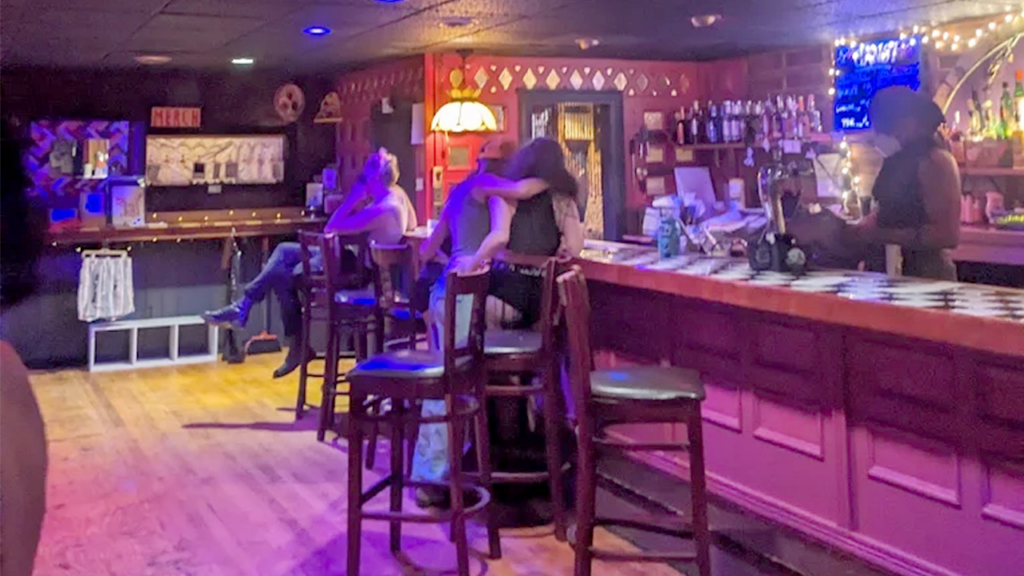
A recent policy change at the Last Ditch Bar and Arts Venue in Greenfield, Massachusetts, has ignited significant backlash from the local community. The bar, which caters to LGBTQ+ patrons, decided to lift its mask mandate for Saturday nights, prompting accusations of ableism and calls for a boycott. The decision was made in hopes of boosting revenue as the establishment faces financial struggles, but it has resulted in heated discussions and public outrage from both patrons and the broader community.
| Article Subheadings |
|---|
| 1) The Decision to Lift Mask Mandates |
| 2) Community Reactions and Backlash |
| 3) Financial Pressures Behind the Change |
| 4) Attempts to Address Criticism |
| 5) Broader Impacts on LGBTQ+ Spaces |
The Decision to Lift Mask Mandates
In an effort to stimulate business, the Last Ditch Bar announced its decision to lift the mask requirement on Saturday nights. The bar had previously implemented these safety measures to create an inclusive environment for patrons who are disabled or immunocompromised. However, as the financial pressures mounted, the owners felt it necessary to adopt a more flexible policy. This change was formalized in an Instagram post in August where the management stated, “It is with love we inform our immunocompromised disabled divas we will be opening Saturday nights as mask optional.” The decision came as the bar struggled to attract customers, with attendance down significantly on what historically had been bustling Saturday nights.
Community Reactions and Backlash
The response from the community was swift and severe. Some patrons accused the bar’s management of prioritizing profit over safety, calling the lifting of the mask mandate a “mass disabling event” and an act of ableism. Critics flooded social media platforms with comments expressing their outrage. In one instance, a user commented, “I hope your venue gets firebombed for robbing my fellow immunocompromised people of their Saturday plans just to scrape extra revenue from ablists.” This illustrates the intense emotions surrounding health disparities, especially among vulnerable populations.
Further criticism arose during the monthly community meeting, where attendees expressed their anger towards the facilitation of the discussion by a white therapist. This sparked accusations of insensitivity towards the varying experiences of marginalized communities, highlighting the complexities involved in navigating both race and disability within social justice discussions.
Financial Pressures Behind the Change
The financial situation at Last Ditch Bar is dire. The establishment operates under a unique business model, focusing on accessibility by ensuring that nobody is barred from entry due to financial constraints. Unfortunately, this model has taken a toll on profitability. According to reports, Jackie Matellian, the remaining owner actively involved in daily operations, struggled to manage expenses and even faced homelessness for a period, living in her truck while juggling multiple jobs to sustain her livelihood. The bar’s debts continued to pile up, and they found themselves unable to cover essential expenses such as rent and staff payments.
In light of these struggles, the decision to lift the mask mandate was seen as a necessary strategy to draw more patrons, although it ultimately sparked considerable backlash. The decision-makers were caught in a dilemma: struggling to keep the business afloat while wanting to remain a safe space for the community.
Attempts to Address Criticism
In response to the public outcry, the bar’s management attempted to mitigate the backlash by addressing the concerns raised. They issued a statement of apology for their “passive and dismissive tone” in the announcement of the policy change. Additionally, they acknowledged the need for inclusive language and committed to considering all needs within their community. However, these efforts did little to quell the anger; many community members felt the bar had not done enough to prioritize disability intersectionality and overall accessibility.
During a subsequent community meeting held online, where many outraged patrons could voice their concerns, the room was filled with heated exchanges. Critiques ranged from a lack of accessibility in posts to the perceived insensitivity to the experiences of disabled individuals, condemning the management’s handling of the situation. Despite attempts to foster dialogue, emotional wounds appeared deep, and feelings of mistrust lingered.
Broader Impacts on LGBTQ+ Spaces
The controversy surrounding the Last Ditch Bar has broader implications for LGBTQ+ spaces, highlighting the fragile balance between economic viability and social responsibility. As many establishments within the LGBTQ+ community strive for inclusivity, it exemplifies the challenges they face in catering to diverse needs while ensuring financial stability. The public response reflects a deep concern regarding the safety of marginalized communities while navigating a post-pandemic landscape.
Moreover, this situation serves as a reminder of the complexities involved in trying to create accessible environments, further complicating the narrative of inclusivity often associated with LGBTQ+ spaces. How do community establishments adapt to the evolving perceptions of safety post-COVID while maintaining financial solvency? The Last Ditch Bar case has raised pertinent questions both within the community and beyond.
| No. | Key Points |
|---|---|
| 1 | Last Ditch Bar lifted its mask mandate on Saturday nights, leading to community backlash. |
| 2 | Critics accused the bar of ableism and failing to protect immunocompromised individuals. |
| 3 | The decision stemmed from financial struggles faced by the bar. |
| 4 | The bar attempted to apologize and address concerns, but backlash continued. |
| 5 | This incident highlights challenges LGBTQ+ spaces face in balancing inclusivity with financial stability. |
Summary
The situation at Last Ditch Bar exemplifies the difficulties that community establishments face in the post-pandemic world, especially when trying to balance financial sustainability with the need to create safe and inclusive environments for all patrons. The backlash triggered by the lifting of the mask mandate underscores the urgency of addressing the needs of vulnerable communities while navigating the complexities of operational challenges. Ultimately, the outcome of this scenario will likely resonate beyond Greenfield, igniting ongoing discussions on how best to support and safeguard marginalized individuals within social spaces.
Frequently Asked Questions
Question: Why did Last Ditch Bar decide to lift its mask mandate?
The bar decided to lift its mask mandate for Saturday nights in an effort to boost business amid financial struggles. Attendance had been low, and the hope was that a more relaxed policy would draw in more customers.
Question: What kind of backlash did the bar face after the policy change?
The bar faced significant backlash from community members who accused it of ableism and endangering immunocompromised individuals. Many patrons expressed outrage on social media, calling for boycotts and likening the decision to a “mass disabling event.”
Question: What attempts did the bar make to address the criticism?
The bar management issued a public apology for their tone in announcing the policy change and committed to being more inclusive in their communications. Despite these efforts, criticism persisted, indicating deeper community concerns regarding safety and inclusivity.