
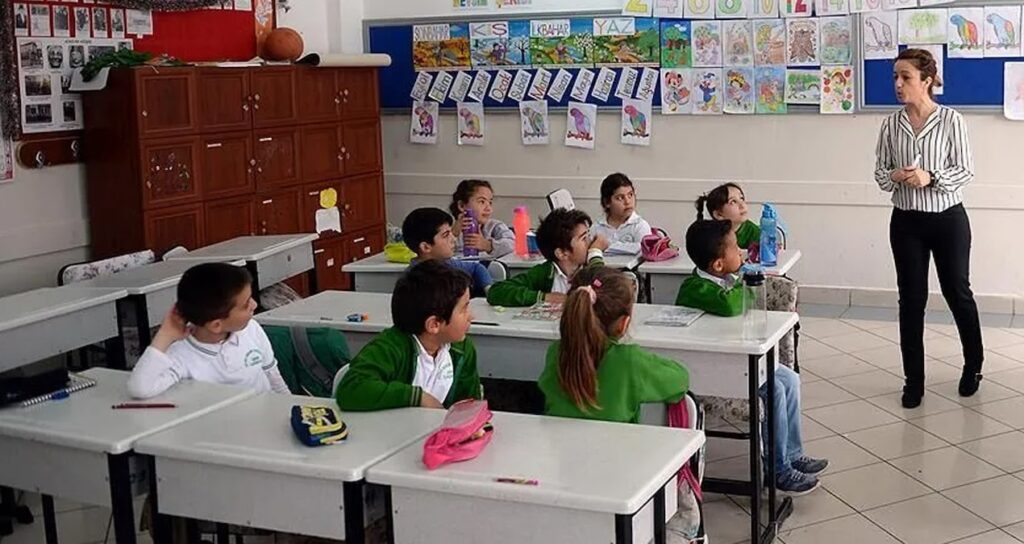
A controversial incident in the education sector has ignited discussions around the declining respect for the teaching profession. This issue was brought to light following a tender offered by the Afyonkarahisar Provincial Directorate of National Education for the “Paid Teacher Service Procurement” to provide educators for Asım Kocabıyık Kindergarten Children’s Club. The tender process, which resulted in a contract with a construction and catering company, raises significant questions about the future of teaching in the current educational paradigm.
| Article Subheadings |
|---|
| 1) Tender for Teacher Supply from Construction Company |
| 2) Administration’s “It Was Written Internally” Defense |
| 3) Reactions from Educators and the Public |
| 4) Implications for the Future of Education |
| 5) Conclusion and Summary of Events |
Tender for Teacher Supply from Construction Company
On August 7, 2026, the Afyonkarahisar Provincial Directorate of National Education announced a tender for the provision of paid teachers at Asım Kocabıyık Kindergarten Children’s Club. The tender, which utilized the 21/F negotiation method, invited two companies but received only a single bid, which resulted in a contract inked with Klas Global İnşaat Yemekçilik company valued at 1 million 851 thousand TL. This contract was a continuation of a previous arrangement, as the same company had previously won a similar tender on September 2, 2025, concerning the same educational context.
The tender documents outlined explicit conditions and responsibilities for the five educators to be hired through the contractor. Each teacher is expected to work an extensive total of 900 hours over the academic year, contributing five hours per day. The compensation for these instructors is set at a “salary difference of 114.28 percent over the gross minimum wage,” which raises further discussion about the adequacy of pay for those entrusted with young children’s education. The specifications detailed that these teachers would operate under the supervision of kindergarten management, emphasizing their importance in guiding both the academic and self-care tasks that children face in a classroom setting. Duties also included overseeing meals, highlighting the multifaceted role educators play in early childhood development.
Administration’s “It Was Written Internally” Defense
In response to public outcry over the terms of the tender, sources from the administration have attempted to clarify the situation by declaring that the term “paid teacher” was an administrative error, insisting that the intent was to hire what they referred to as “master instructors.” This clarification, however, has garnered skepticism from education professionals and the community at large. Many educators argue that the practice of hiring educational staff through tenders undermines the integrity and professionalism vital to teaching as a vocation.
Critics have expressed their shock at the idea of sourcing educators via private contracts rather than through standard hiring processes. Given the critical role teachers serve in shaping young minds, the notion of entrusting their employment to a construction and catering firm appears surreal and misguided. Reactions have been swift, with many calling for a reassessment of policies governing education sector employment and expressing concern about the implications of privatization in such a critical area.
Reactions from Educators and the Public
The incident has generated a wave of responses from educators, parents, and community stakeholders. Teachers have rallied to emphasize the importance of preserving educational integrity, arguing that hiring educators through tender processes diminishes the professionalism associated with teaching. As one educator stated,
“Education cannot be treated like a transaction or procurement process.”
This sentiment underscores a growing concern over a perceived decline in respect for the teaching profession.
Parents have also voiced their apprehensions. Many worry about the effectiveness and qualifications of teachers supplied through companies outside the education system. The general consensus among guardians is that qualified teachers require proper training, which they fear may not be guaranteed through such contracts. The debate has transitioned into broader dialogues about educational quality and the need for qualified, dedicated educators within classrooms.
Implications for the Future of Education
The implications of this tender controversy extend beyond the immediate concerns about the teaching staff at Asım Kocabıyık Kindergarten. It raises questions that could affect the educational landscape as a whole. The shift towards privatizing educational roles through contractor companies could signal an alarming trend in how educational systems are managed and funded. Furthermore, the intersection of construction, catering, and education raises ethical concerns regarding the prioritization of profit over quality education.
Industry experts are now calling for comprehensive evaluations of educational policies and practices. Advocates for educational reform stress that a re-evaluation must consider the long-term impacts on student development and educational outcomes. This situation presents an opportunity to engage policymakers in discussions centered on improving the hiring process and ensuring that teaching remains a respected and professional career choice.
Conclusion and Summary of Events
In summary, the tender awarded to a construction and catering company for supplying paid teachers has triggered a considerable backlash from educators and the community. Concerns surrounding this procurement process highlight a growing unease about the diminishing respect for the teaching profession and the ramifications of privatization in education. Advocates for the education system are calling for renewed discussions geared toward restoring integrity and professionalism among educators.
| No. | Key Points |
|---|---|
| 1 | The tender for paid teachers at a kindergarten has raised concerns about the professionalism of the teaching sector. |
| 2 | Contracted teachers will work under stringent conditions, including pay tied to the gross minimum wage. |
| 3 | The administration’s defense claiming the term “paid teacher” was a mistake has not quelled public concern. |
| 4 | There is significant pushback from educators, reinforcing the need for respect and professionalism in teaching. |
| 5 | This situation may signal a trend toward privatization that could endanger educational quality in the long run. |
Summary
The tender for teachers at a kindergarten has ignited a serious debate about the values and standards in today’s education system. The implications of hiring educators through private contracts could lead to a worrying trend that diminishes the quality of education and the respect for teaching as a profession. Stakeholders are now faced with critical questions about the future of education that could influence administrative decisions for years to come.
Frequently Asked Questions
Question: Why was a construction company involved in hiring teachers?
The construction company was involved through a tender process initiated by the local education authority, which has raised significant concerns about the professionalism and suitability of hiring educational staff through contractors.
Question: What was the public response to the tender?
The public response has been overwhelmingly critical, with educators, parents, and stakeholders expressing their concerns about the implications for teaching quality and the devaluation of the teaching profession.
Question: How could this situation impact future educational hiring practices?
If privatization trends continue, there could be lasting effects on the hiring processes for teachers, potentially leading to a system where qualified educators are overlooked in favor of cost-saving measures, ultimately affecting student outcomes.