
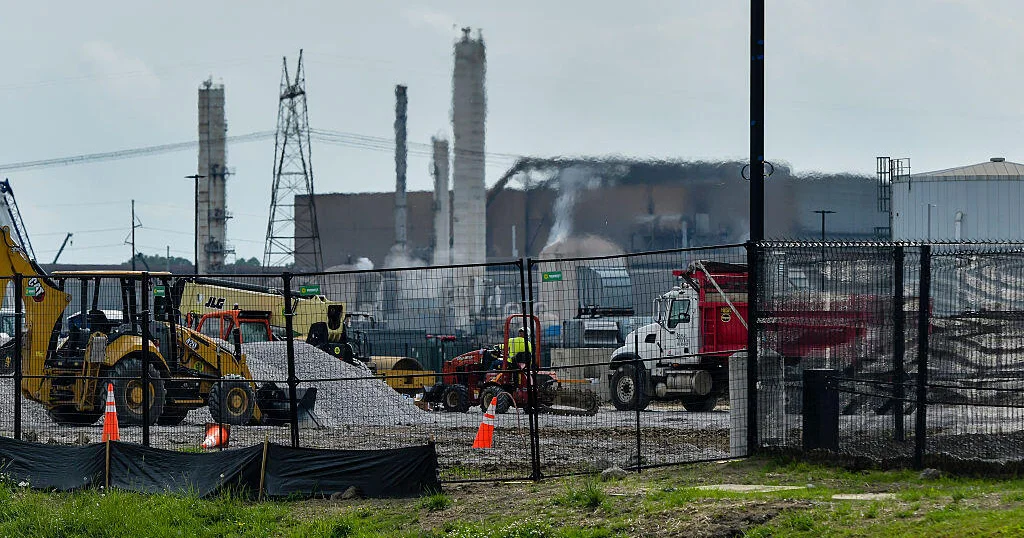
In a contentious city council meeting held on Tuesday in Memphis, Tennessee, officials voted down a proposed moratorium that would have halted data center construction for a year, a move reflecting the city’s growing preeminence as a hub for these facilities, notably driven by the advancements of Elon Musk’s SpaceXAI. Instead of the moratorium, council members approved a substitute ordinance, which many claimed was rushed and inadequately scrutinized, temporarily suspending data center construction for 135 days. This decision arises against a backdrop of ongoing community opposition, particularly concerning environmental impacts associated with data centers, as well as transparency in governance.
| Article Subheadings |
|---|
| 1) Background of the Proposed Moratorium |
| 2) Community Response and Activist Concerns |
| 3) The Ordinance Passed and Its Implications |
| 4) Broader National Trends Against Data Centers |
| 5) Conclusion on the Matter |
Background of the Proposed Moratorium
The city council’s vote against a moratorium on data center construction follows years of increasing tension surrounding the expansion of these facilities in Memphis. The debate over such developments has grown in prominence, significantly since the establishment of SpaceXAI’s Colossus 1 data center in 2024, which initiated questions concerning environmental protection and community welfare. As demand for high-performance data processing increases, fueled by advancements in artificial intelligence, Memphis has emerged as a focal point for data center development, prompting both economic opportunities and community concerns.
The original intention behind the moratorium was to allow city officials sufficient time to consider permanent zoning and regulatory measures. Advocates for the moratorium proposed this time frame as a means to assess various impacts related to data center operation, encompassing air quality, electrical regulations, water conservation initiatives, and noise management. However, despite these intentions, the council opted instead for a temporary ordinance, highlighting a contentious landscape where economic interests often clash with community concerns.
Community Response and Activist Concerns
Community activism has been central to the dialogue surrounding data center development in Memphis. Local residents, led by groups such as the Memphis Community Against Pollution, have vehemently opposed the privatization of public resources and the perceived lack of governmental transparency regarding the environmental impacts of data centers. KeShaun Pearson, the executive director of this organization, expressed significant frustration, stating that local lawmakers appeared to prioritize corporate interests over the health and safety of their constituents.
In a display of communal dissent, many city council meeting attendees reacted with shock and dismay as the ordinance progressed through votes. After the council’s decision, they vocalized their frustrations through chants and songs, a testament to the passionate community sentiment against unchecked industrial growth. Activism in the region reflects broader trends seen across the nation as citizens demand greater regulatory oversight and transparency in the wake of burgeoning industries that they feel encroach upon their rights and wellbeing.
The Ordinance Passed and Its Implications
The ordinance that ultimately passed allows for a brief pause in data center construction for 135 days but falls short of what activists sought. This temporary halt is meant to align with Memphis Mayor Paul Young‘s executive order, which established a 90-day period for studying the impacts of such developments. The city council’s decision further emphasizes a need for balance: promoting regional economic growth while being vigilant regarding environmental and social impacts.
While the ordinance does not completely negate the construction of existing data centers, it does raise critical questions about the future of data center development in Memphis. City officials face growing pressure to refine regulations that govern data center operations. This situation illustrates the challenge of navigating between fostering economic growth in the tech sector and addressing community concerns about pollution, infrastructure strain, and potential violations of public trust.
Broader National Trends Against Data Centers
The events in Memphis are part of a larger national movement where public dissent toward data center development is on the rise. A recent survey indicated that a majority of Americans express discomfort with new data centers within their communities, reflecting broader apprehensions regarding the environmental footprint of these facilities. Concerns vary widely from local infrastructure capability to the potential degradation of air and water quality.
The surge in public scrutiny is reshaping the conversation around technology development, particularly as American cities grapple with rapid advancements in artificial intelligence and digital infrastructure. As community opposition rallies more visibility, city councils and local governments are increasingly called upon to engage transparently with residents and hold accountable those corporations driving these contentious expansions.
Conclusion on the Matter
In conclusion, the decision by Memphis officials to reject the proposed moratorium on data center construction highlights the ongoing clash between economic aspirations and community welfare. As data centers continue to proliferate, the dialogue surrounding their environmental and social implications intensifies. The temporary ordinance passed by the council reflects a willingness to address some concerns but falls short of a comprehensive solution preferred by local activists. Moving forward, it remains to be seen whether city officials can navigate this complex landscape to foster both growth and community health.
| No. | Key Points |
|---|---|
| 1 | Memphis City Council voted against a one-year moratorium on new data center constructions. |
| 2 | A substitute ordinance was passed, halting constructions for 135 days for further evaluation. |
| 3 | Community activists expressed strong opposition due to environmental and transparency concerns. |
| 4 | The public sentiment has shifted nationally against new data centers due to their perceived negative impacts. |
| 5 | The council faces ongoing pressure to implement more stringent regulations for data center operations. |
Summary
The recent city council meeting in Memphis reveals a growing conflict between technological advancement and community rights, as a sharply divided council wrestles with how to manage the expansion of data centers. Proponents of regulation argue that clearer guidelines are needed to protect public interests, while supporters of data center growth cite economic benefits. As the discussion continues, the outcome may well shape not only the future of Memphis but also serve as a bellwether for similar debates nationwide.
Frequently Asked Questions
Question: What is driving the rise in data center development in Memphis?
The rise in data center development in Memphis is primarily driven by advancements in artificial intelligence and increasing demand for high-performance data processing capabilities.
Question: What are the main concerns of the Memphis community regarding data centers?
Community concerns include environmental impacts such as air quality, noise pollution, and the potential strain on local infrastructure, along with demands for transparency from local government regarding these developments.
Question: How have national trends reflected attitudes toward data centers?
National trends indicate that over half of Americans express discomfort with new data centers in their areas, highlighting a broader resistance to industrial developments considered intrusive or harmful to the environment.