
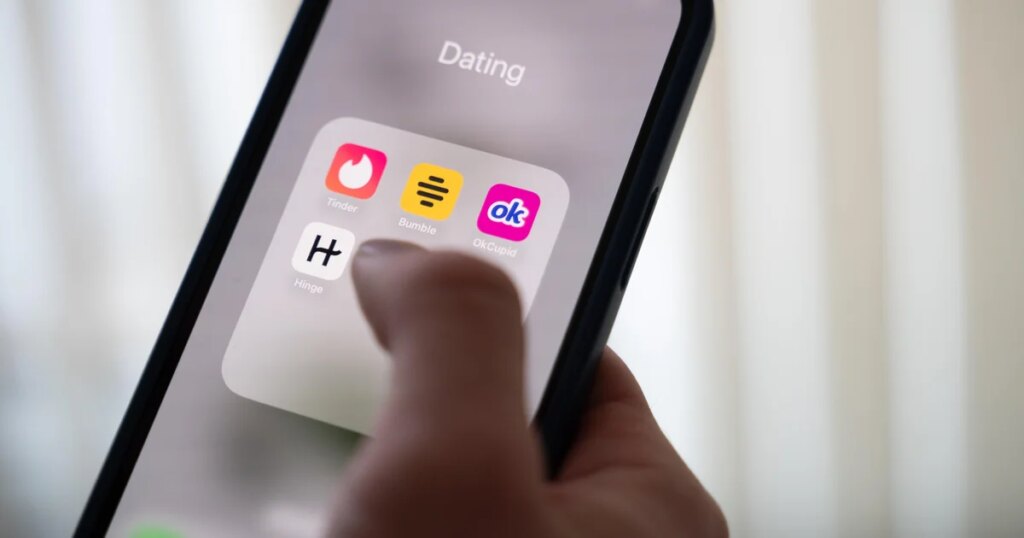
In an era where technology continues to evolve, the dating landscape is becoming increasingly influenced by artificial intelligence (AI). Many users on dating apps are encountering profiles that may not represent reality, with AI-generated images and heavily edited photos prompting concerns about authenticity. As dating app users seek genuine connections, the question arises: how much manipulation is acceptable in the quest for love?
| Article Subheadings |
|---|
| 1) The Rise of AI-Enhanced Profiles |
| 2) The Role of Digital Stylists |
| 3) Reactions and Consequences on Dating Apps |
| 4) Policies Against AI Manipulation |
| 5) Navigating the Future of Dating |
The Rise of AI-Enhanced Profiles
In the bustling realm of online dating, authenticity is becoming a rare commodity. Users, including 31-year-old Marissa from Boston, express frustration as they encounter profiles featuring AI-altered images. These images can range from minor edits, such as removing acquaintances from photos, to wholly computer-generated images that may create unrealistic portrayals of individuals. One striking example cited by Marissa included a Bumble profile showcasing a man in a suit tiling a bathroom—an image she deemed suspiciously artificial.
As many as 75% of young adults report dissatisfaction with dating apps due to trends of deceit and fabrication, pushing them away from what once seemed like an exciting avenue for meeting potential partners. Reflecting a wider discomfort, women across platforms, including TikTok, are noting a surge of misleading images that exacerbate their skepticism towards online connections.
The stakes are high, as dating app users yearn for authentic interactions while grappling with the reality that technology can easily blur the lines between genuine and fabricated identities. This predicament raises emotional and ethical questions, such as how far users should go in presenting an idealized self that may very well be a fabrication of AI.
The Role of Digital Stylists
To navigate this digitally altered world, some individuals are turning to professional aides known as digital stylists. One such stylist, Lana Li, hails from Brooklyn and runs a Substack entitled “Love Me Like a Robot,” where she specializes in using AI to enhance men’s profiles. Lana acknowledges her use of AI for subtle edits, such as altering a client’s outfit or adjusting body language for a more confident appearance.
Despite being an advocate for using AI, Lana establishes a firm boundary on ethical edits, refusing requests that would misrepresent a client’s reality, such as replacing a client’s head on an athletic body. This distinction embodies a broader debate on where the line lies between styling and deception. As AI technology matures, the nuances in modifying an image can easily become indistinguishable from outright faking it, complicating the landscape of digital dating.
The approach varies amongst stylists, with some believing that a carefully curated persona is acceptable as long as it reflects the person’s true nature. Digital stylists like Lana assert that their edits can help men stand out in a crowded and competitive environment. Yet, public sentiment remains divided on whether AI-optimized images foster genuine connections or perpetuate a culture of mistrust and disappointment.
Reactions and Consequences on Dating Apps
The consequences of using AI-generated images can be significant. Numerous individuals have shared experiences of success and failure when implementing these tools. One tech employee, part of Lana‘s clientele, used AI to enhance his casual images into more polished representations, asserting that the modifications remained true to who he is. Despite his meticulous approach, he remained cautious about the broader implications of catfishing on dating platforms.
Another user, a man in his 50s, recounted a different experience when a well-received AI photo led to his ban from the dating app Hinge. While the AI-generated image drew positive attention, it led to a ban due to violations of the platform’s terms regarding authenticity. This incident served as a cautionary tale about the limitations and potential pitfalls of using technology to perfect one’s dating persona.
The increasing incidents of misuse underscore the precarious balance users must strike between improving their appeal and maintaining authenticity. As users grapple with these consequences, the tension between seeking engagement and representing a true self remains palpable.
Policies Against AI Manipulation
In response to these challenges, dating app platforms have instituted policies aimed at preserving authenticity among their users. Hinge, for instance, clearly articulates its stance on the use of generative AI, stressing the importance of maintaining a genuine connection between users. They caution individuals against employing AI-generated images, audio, or video that misrepresents one’s identity or intentions.
Similarly, Match Group, the parent organization of several popular dating apps, is actively monitoring the AI landscape while prioritizing user feedback regarding transparency, authenticity, and safety in online dating. They acknowledge the importance of reassuring users that behind every profile lies a real person and not an artificially crafted character.
Bumble goes a step further by leveraging AI to identify and eliminate profiles that breach these authenticity guidelines. Their comprehensive strategy incorporates a combination of user reports, human moderation, and advanced detection tools to enforce community guidelines. Together, these efforts contribute to an ongoing commitment to fostering genuine interactions in an increasingly digital age.
Navigating the Future of Dating
As the influence of artificial intelligence continues to evolve within dating platforms, users must reflect on the implications of their choices. The dating landscape is forever changed, filled with users testing the limits of acceptable manipulation and how it aligns with their pursuit of meaningful relationships. Marissa, among others, continues to voice her concerns about profiles that present more polished, yet less authentic versions of individuals. “The dating pool is already challenging,” she shared, pondering the questions of trust in a world filled with AI-enhanced identities.
The future of dating will likely see a blend of evolving technology and enduring human desires for connection. Users will need to navigate the delicate balance between leveraging available tools to enhance their profiles and preserving the authenticity that is essential for forming genuine connections. The ongoing debate surrounding AI in dating raises critical questions about the essence of intimacy in an age of increasingly sophisticated technologies.
| No. | Key Points |
|---|---|
| 1 | AI-generated images are increasingly prevalent on dating apps, raising concerns about authenticity. |
| 2 | Digital stylists are emerging, using AI to enhance dating photos while navigating ethical concerns. |
| 3 | Misuse of AI technology has led to user bans and consequences on various dating platforms. |
| 4 | Dating apps are implementing policies to limit the use of AI-generated content to preserve user authenticity. |
| 5 | The dating landscape is evolving, as users grapple with how to find genuine connections amidst manipulation. |
Summary
As artificial intelligence continues to impact the dating landscape, users find themselves navigating a complex web of authenticity and manipulation. The rise of AI-generated content has instigated a reaction from both users and platforms, with ongoing dialogues about ethical representation in online dating. Moving forward, maintaining genuine connections in a tech-driven world will pose challenges that users—along with the apps they engage with—must confront as they seek love and companionship.
Frequently Asked Questions
Question: What are the potential risks of using AI-generated images on dating apps?
Using AI-generated images can lead to misrepresentation, resulting in a lack of trust between users. This can complicate relationships and lead to consequences such as account bans on platforms that enforce authenticity.
Question: How do dating platforms ensure users are genuine?
Many dating platforms employ a mix of AI detection tools, human moderation, and user reporting to identify and eliminate inauthentic profiles, ensuring that users are connecting with real individuals.
Question: What should users consider when enhancing their dating profiles?
Users should balance the desire for a polished image with the importance of authenticity. Reflecting true aspects of themselves fosters trust and can lead to more meaningful connections.