
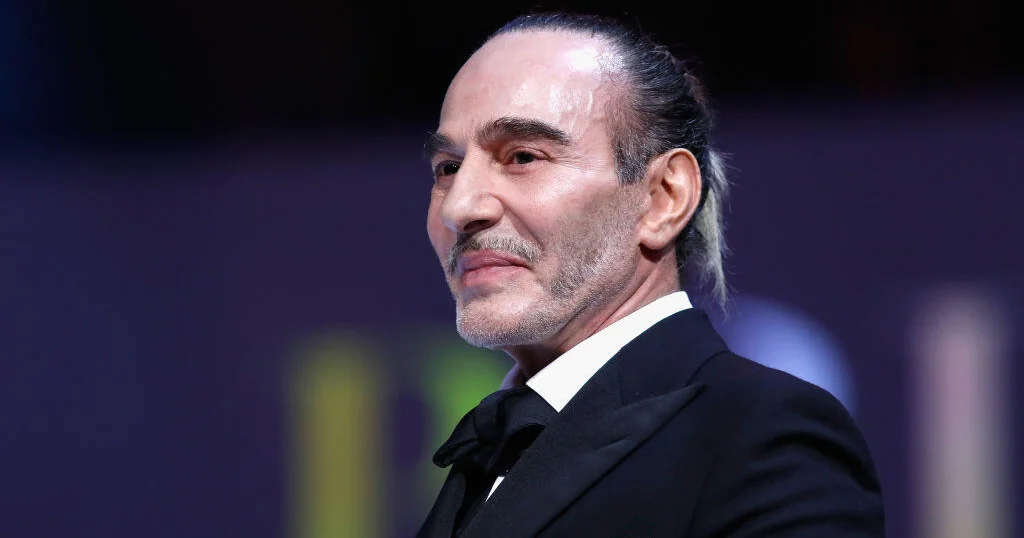
The planned exhibition by designer John Galliano at the Metropolitan Museum of Art in New York City has been canceled following significant public backlash. Initially scheduled to coincide with the 2027 Met Gala, the exhibition drew criticism due to Galliano’s historical antisemitic comments, which have overshadowed his career. After weeks of opposition from community leaders and museum donors, both Galliano and the Met announced the decision to halt the exhibition, citing the need for reflection on the past.
| Article Subheadings |
|---|
| 1) Background of the Controversy |
| 2) Reactions from Fashion and Community Leaders |
| 3) Galliano’s Past and Career |
| 4) Impact on the Metropolitan Museum of Art |
| 5) Future of Costume Institute Exhibitions |
Background of the Controversy
The plan for the exhibition at the Met dedicated to John Galliano’s body of work arose from the designer’s significant impact on the fashion industry over the past four decades. However, this initiative faced immediate scrutiny due to Galliano’s well-documented history of making antisemitic and racist remarks during a 2011 confrontation in Paris. These comments resulted in his dismissal from Christian Dior and a subsequent hate crime conviction in France.
As discussions around the exhibition progressed, community leaders and organizations voiced strong objections, arguing that honoring Galliano contradicted values of inclusivity and respect. This intensified public discourse made it evident that even celebrated artists must be accountable for their past actions, raising questions about the extent to which historical figures can be rehabilitated or celebrated in contemporary society.
Reactions from Fashion and Community Leaders
The decision to move forward with Galliano’s exhibition drew fierce opposition, particularly from prominent figures within the Jewish community. Among the most vocal critics was Julie Menin, New York City Council Speaker and a senior Jewish official. She publicly stated her disapproval, emphasizing the painful implications that honoring Galliano could have for the Jewish community, particularly during a period marked by rising antisemitism in the United States.
“This is the correct decision, as the harm and pain this was causing was simply unacceptable,”
Menin affirmed shortly after the Met announced the exhibition’s cancellation. Anna Wintour, chair of the Met Gala and editor-in-chief of Vogue, expressed her support for Galliano’s decision to withdraw from the exhibit. Describing it as “courageous,” Wintour’s backing further illustrates the complexities of navigating the fashion industry, which often intertwines art with its historical context.
Galliano’s Past and Career
Galliano’s journey through the fashion world is marked by both extraordinary creativity and significant controversy. Before his fall from grace, he served as the creative director at Dior for an unprecedented fifteen years. His theatrical designs transformed the label into a pioneering force in modern fashion. Following his expulsion from Dior in 2011, Galliano maintained a relatively low profile until he re-emerged in 2014 as the creative director of Maison Margiela. His contemporary work has received acclaim and has sparked discussions about redemption and the potential for personal and professional rehabilitation.
Fashion experts like Lauren Sherman have highlighted Galliano’s pivotal role in the evolution of fashion, suggesting that his innovative contributions cannot be ignored even in light of his past misdeeds. While there remains a clear distinction between his artistic achievements and his personal failings, the backlash at the Met underscores the urgent need for cultural institutions to grapple with their responsibilities in presenting controversial figures.
Impact on the Metropolitan Museum of Art
The controversy surrounding Galliano intensified scrutiny on the Metropolitan Museum of Art and raised questions about its role in preserving cultural narratives. Andrew Bolton, curator of the Costume Institute, aptly noted the inherent responsibility that museums hold when presenting difficult narratives associated with their exhibitions. He stated, “I believe deeply in the responsibility of museums to examine difficult histories with rigor, candor, and care.”
This introspection at the museum’s leadership level exemplifies a broader cultural reckoning, where institutions are called to take a stand on issues such as diversity, representation, and accountability. As a result, the Met faced increasing pressure, particularly from donors who threatened to withdraw their funding if the exhibition continued as planned, reflecting how financial support is intertwined with ethical considerations in the arts.
Future of Costume Institute Exhibitions
Following the announcement of the exhibition’s cancellation, the Met indicated that new details regarding forthcoming Costume Institute exhibitions, including the 2027 Met Gala, will be revealed at a later date. This pivot indicates the museum’s commitment to addressing the complexities surrounding its exhibits while ensuring that they reflect current social values.
The decision to disassociate from Galliano not only signifies a shift in public sentiment but also represents a larger trend in the art world where institutions are reevaluating whom they choose to honor. As debates surrounding cultural representation continue, institutions must remain sensitive to the diverse perspectives present within their communities, illustrating a need for transparency and dialogue.
| No. | Key Points |
|---|---|
| 1 | The planned exhibition for designer John Galliano at the Met has been canceled due to backlash over his historical antisemitic remarks. |
| 2 | Community leaders, including New York City Council Speaker Julie Menin, strongly opposed the exhibition, citing the harm it caused to the Jewish community. |
| 3 | Galliano’s impactful yet controversial career highlights the fine line between artistic genius and personal accountability. |
| 4 | The Met’s decision reflects a growing trend among cultural institutions to reassess the figures they honor and the narratives they promote. |
| 5 | Future exhibitions will be planned with consideration of current social values and community sensitivities. |
Summary
The decision to cancel the exhibition honoring John Galliano at the Metropolitan Museum of Art underscores the ongoing dialogue about accountability in the arts. As cultural institutions navigate complex histories alongside contemporary values, the Met’s actions signal a commitment to inclusivity and sensitivity towards marginalized communities. This incident serves as a reminder of the powerful intersection between art and social responsibility.
Frequently Asked Questions
Question: Why was the exhibition featuring John Galliano canceled?
The exhibition was canceled due to backlash over Galliano’s history of antisemitic comments, which raised significant concerns about honoring him at such a prominent cultural event.
Question: What was the reaction of community leaders to the planned exhibition?
Community leaders, notably New York City Council Speaker Julie Menin, expressed strong opposition, arguing that honoring Galliano would be harmful to the Jewish community, especially during a time of rising antisemitism.
Question: What steps will the Metropolitan Museum of Art take moving forward?
The Met plans to announce details of a new spring Costume Institute exhibition and the 2027 Met Gala in the future, with an emphasis on reflecting contemporary social values and community sensitivities.