
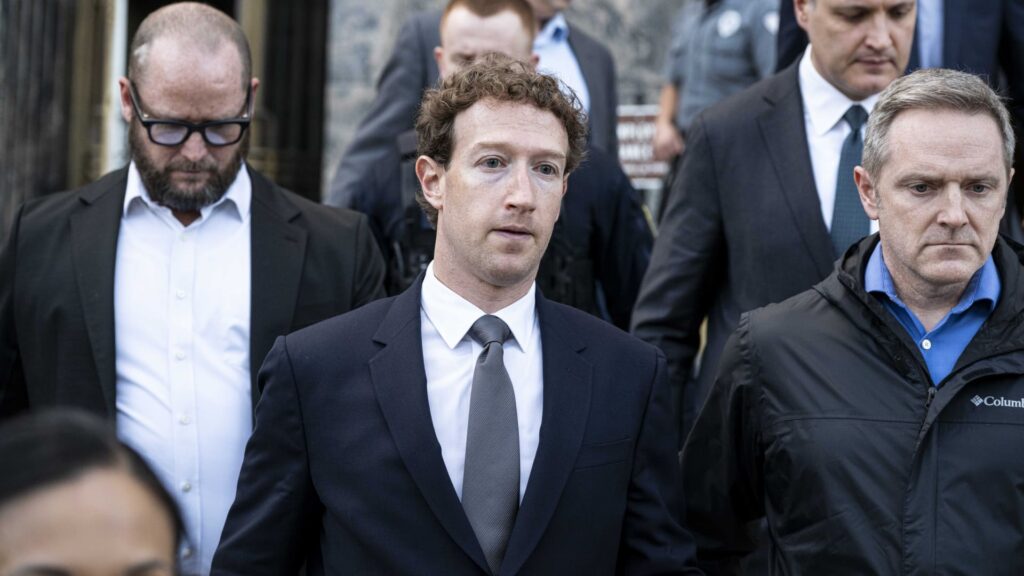
In a significant development in the ongoing discourse surrounding social media accountability, Meta Platforms Inc. has settled a groundbreaking trial in California, agreeing to pay up to $18 billion to resolve allegations that it misled the public about the risks its social media platforms pose to children and teenagers. This agreement marks a pivotal moment not only for Meta, the parent company of Facebook and Instagram, but for the entire tech industry, as it is indicative of growing scrutiny and pressure on social media giants like TikTok, YouTube, and Snap. The settlement stipulates that Meta will implement numerous changes to protect younger users as part of an industry-wide call for greater responsibility in handling youth engagement.
| Article Subheadings |
|---|
| 1) Overview of the Trial and Settlement |
| 2) New Regulations for Younger Users |
| 3) Implications for Other Social Media Platforms |
| 4) The Role of State Attorneys General |
| 5) Moving Forward: The Future of Social Media Regulation |
Overview of the Trial and Settlement
The landmark trial involving Meta concluded in February 2026 in California, where the tech giant faced serious allegations from a coalition of U.S. states. These states contended that Meta had misled the public regarding the potential dangers its platforms posed, especially to younger users. The trial gained significant media attention and highlighted the emergent concerns around social media addiction and its ramifications on mental health. Following intense scrutiny, Meta agreed to a settlement that entails a payment as high as $18 billion. This considerable financial commitment illustrates the gravity of the situation and the legal landscape that social media companies now navigate. The payment will not only have financial implications for Meta but also set a precedent for the accountability of tech firms.
New Regulations for Younger Users
As part of the settlement terms, Meta has committed to implementing transformative changes to its platforms to enhance safety for users under the age of 18. These new regulations include a two-hour daily usage limit, which can only be lifted with parental approval, thereby giving parents greater control over their children’s social media activity. Moreover, features that have been criticized for promoting unrealistic beauty standards, such as filters for extreme makeup and cosmetic surgery, will be disabled for young users. Meta will also increase age verification measures to ensure that younger users are adequately identified and protected.
“These changes are about prioritizing user safety and well-being,” stated an official spokesperson from Meta.
Implementing night mode functionality is another significant change aimed at promoting healthier online habits among younger users. These measures signify a commitment to addressing some of the harmful aspects of social media and could potentially reshape the user experience of children and adolescents.
Implications for Other Social Media Platforms
With Meta settling the litigation, the spotlight is now directed toward other social media platforms such as TikTok, YouTube, and Snap. Legal observers and industry experts express that these companies are likely to reassess their practices to preempt similar repercussions as faced by Meta. California Attorney General Rob Bonta, who co-led the litigation against Meta, remarked, “This settlement serves as a wake-up call for the entire industry.”
“We’re not done yet; we expect similar outcomes from other social media giants as well,” he added.
In the wake of this precedent, TikTok and YouTube are now under mounting pressure to adopt comparable safety measures aimed at protecting younger users. Professor of practice in management at a university, Rob Lalka, noted that it is imperative for these platforms to maintain trust with their users and advertisers, and any negligence to act could reflect poorly on their reputations. The beauty of this settlement is that it may prompt an industry-wide transformation regarding age-appropriate guidelines and practices.
The Role of State Attorneys General
State attorneys general have increasingly become at the forefront of holding tech companies accountable for their practices. In this case, California’s Rob Bonta shared with reporters the intention to continue legal actions against other major players in the social media realm. “We are actively pursuing litigation against TikTok to ensure similar compliance with safety standards,” he announced. The importance of this approach lies in the legal framework under which states can challenge practices that potentially harm consumers. Bonta indicated that other states are joining the movement, aiming to create an environment where tech firms prioritize the welfare of their younger users. The litigation aimed at curbing the addictive tendencies prevalent within social media platforms signals a collective effort by state attorneys to effectuate change on a grand scale.
Moving Forward: The Future of Social Media Regulation
As the tech landscape continues to evolve, the settlement with Meta is expected to prompt further regulatory scrutiny and legislative discussions concerning social media responsibility. The U.S. Congress, which has been criticized for inaction on social media regulations, might soon be pressured to devise laws that align with the settlement’s stipulations. Lalka emphasized the need for comprehensive and enforceable regulations rather than relying on individual settlements, stating, “While the settlement represents some progress, it should not be the only avenue for accountability.” The increasing recognition of social media’s impact on mental health and development among younger demographics presents a growing impetus for Congress to intervene.
| No. | Key Points |
|---|---|
| 1 | Meta has settled a trial in California for $18 billion regarding misleading information about youth safety. |
| 2 | The settlement includes new regulations for users under 18, emphasizing usage limitations and safety features. |
| 3 | State attorneys general are pursuing further litigation against other social media platforms such as TikTok and YouTube. |
| 4 | The trial has significant implications for the future of social media regulation and corporate responsibility. |
| 5 | There is an increasing call for comprehensive regulations by policymakers in response to the growing mental health concerns linked to social media. |
Summary
The settlement reached by Meta marks a pivotal moment in the ongoing saga of social media accountability. It not only reinforces the necessity for platforms to prioritize the safety of younger users but also sets a benchmark for industry practices. As other companies face scrutiny and the prospect of similar legal challenges, the agreement heralds the initiation of what could lead to a comprehensive shift in the regulatory landscape surrounding digital engagement and youth protection.
Frequently Asked Questions
Question: What are the key aspects of the Meta settlement?
The key aspects of the settlement include a financial commitment of up to $18 billion, as well as the implementation of new regulations like a two-hour daily usage limit for users under 18, enhanced age verification measures, and disabling of specific cosmetic features.
Question: How is this settlement likely to impact other social media platforms?
The settlement sets a precedent for other social media platforms, such as TikTok and YouTube, encouraging them to adopt similar safety measures to avoid litigation and maintain consumer trust.
Question: What role do state attorneys general play in regulating social media companies?
State attorneys general play a critical role by pursuing legal actions against social media companies, holding them accountable for practices that could harm users, particularly minors, and advocating for regulatory changes to promote youth protection.