
Federal officials said a 43-year-old Mexican national pleaded guilty to staging a fake kidnapping in 2025 and falsely claiming that federal agents had abducted her. Yuriana Julia Pelaez Calderón, of South Los Angeles, allegedly created a false account of detention, mistreatment and forced deportation paperwork. Authorities said the scheme was intended to generate media attention and support a potential lawsuit against immigration officials. Calderón faces a statutory maximum sentence of five years in federal prison, with sentencing proceedings scheduled for February 8, 2027.
| 1) | Guilty plea and federal charge |
| 2) | Alleged kidnapping narrative |
| 3) | Staged disappearance and release |
| 4) | Media and law enforcement response |
| 5) | Sentencing and case status |
Guilty plea and federal charge
Calderón pleaded guilty to one count of conspiracy to impede, obstruct, impair and defeat the lawful function of Homeland Security Investigations within federal jurisdiction. Federal prosecutors announced the plea on October 26, 2026, in the Central District of California. The case concerns conduct that officials say occurred in June and July 2025, when Calderón allegedly pretended to have been apprehended by federal agents or people acting on their behalf.
The charge focuses on an alleged effort to interfere with the lawful work of a federal investigative agency. Officials said Calderón used a series of anonymous or blocked calls and provided false information to individuals who could help advance the account of an abduction.
Alleged kidnapping narrative
According to court documents, Calderón told one person on June 25, 2025, that immigration officials were taking her into custody near a fast-food restaurant. She allegedly claimed agents had threatened to break the window of her vehicle. Two days later, she reportedly contacted a tenants’ rights advocate with a different account, saying authorities had taken her to San Ysidro and forced her to sign deportation documents.
Calderón also allegedly told another person that she had been moved to an unidentified warehouse and held with other detainees. Officials said the changing accounts contributed to reports that masked men in plain clothes, traveling in an unmarked vehicle, had kidnapped her while acting as federal agents or their surrogates.
Staged disappearance and release
Authorities said Calderón stayed hidden in Bakersfield while presenting herself as a missing person. On July 3, 2025, she allegedly used caller ID blocking to say that she would soon be released because of public and media attention. She then traveled from Bakersfield to Tulare County, where officials said she staged a release from people identified as Border Patrol.
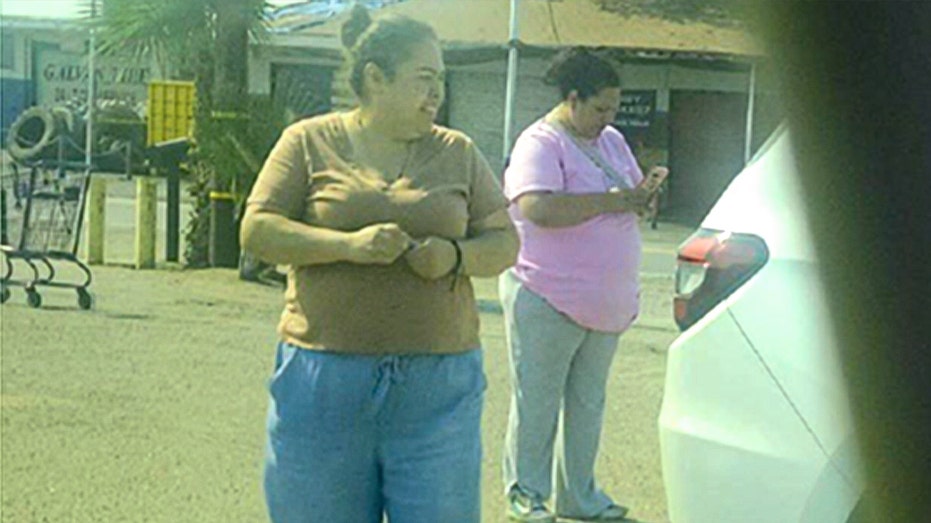
The alleged plan also included recruiting a potential witness for a lawsuit. Prosecutors said Calderón altered her appearance to make it appear that she had been mistreated during detention, and a co-conspirator photographed her. Investigators cited surveillance footage and photographs as evidence related to her movements and appearance while she was being reported missing.
Media and law enforcement response
Officials said Calderón’s claims prompted community organizers to demand her release and caused false information to be reported to law enforcement and the media. The alleged communications were designed to make the kidnapping account appear credible across multiple locations and through several people.
After the staged release, Calderón reportedly turned off her phones and stopped responding to calls for two days, even though law enforcement was trying to locate her. Investigators used surveillance information and other evidence described in an affidavit to reconstruct her movements, including her presence at a Bakersfield shopping mall during the period when she was reported missing.
Sentencing and case status
The guilty plea resolves Calderón’s criminal responsibility for the conspiracy charge, but the sentence has not yet been imposed. Her next hearing is scheduled for February 8, 2027. The offense carries a statutory maximum of five years in federal prison, although the eventual sentence will depend on the court’s proceedings and applicable federal sentencing considerations.
The allegations described by federal officials concern a fabricated kidnapping narrative, false reports involving immigration authorities and efforts to create support for litigation. Calderón was identified as being from Mexico and living in South Los Angeles at the time of the case.
| No. | Key Point |
|---|---|
| 1 | Calderón pleaded guilty to a federal conspiracy charge. |
| 2 | Officials said she falsely claimed that federal agents had kidnapped and detained her. |
| 3 | The alleged scheme included blocked calls, a staged release and altered photographs. |
| 4 | Authorities said the claims prompted public demands and false reports to law enforcement. |
| 5 | She faces a statutory maximum of five years in prison, with a hearing set for February 8, 2027. |
Summary
Federal prosecutors said Calderón constructed a false kidnapping story to implicate immigration officials and support a potential lawsuit. Her guilty plea acknowledges responsibility for the federal conspiracy charge arising from the alleged calls, disappearance and staged release. The case will proceed to sentencing in February 2027, with a maximum possible penalty of five years in federal prison.
Frequently Asked Questions
What did Yuriana Julia Pelaez Calderón plead guilty to?
She pleaded guilty to one count of conspiracy to impede, obstruct, impair and defeat the lawful function of Homeland Security Investigations within federal jurisdiction.
What did authorities say she staged?
Authorities said she staged a disappearance and falsely claimed that federal agents or their surrogates had abducted, detained and mistreated her.
What penalty does she face?
The charge carries a statutory maximum sentence of five years in federal prison. Her next hearing is scheduled for February 8, 2027.