
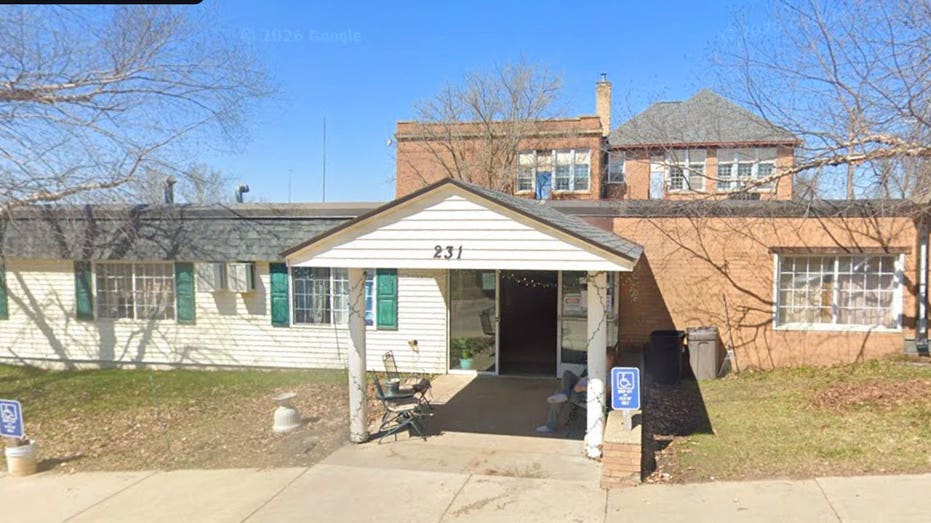
Minnesota health investigators concluded that Covered Bridge Assisted Living was responsible for neglect after resident Don Brambrink missed a scheduled medical appointment following heavy drinking. The report said staff gave Brambrink 18 shots of liquor and a beer during the 24 hours before the appointment. He was later found on the floor and taken to an emergency room with a reported blood alcohol level of 0.23%.
The facility said its actions followed an individualized alcohol plan and that competent adults have rights to make personal choices. Its owner said the center intends to appeal the cited deficiency.
| Article Subheadings | |
|---|---|
| 1) | Investigators identify alleged neglect |
| 2) | Timeline of alcohol provided before the appointment |
| 3) | Medical emergency and reported blood alcohol level |
| 4) | Resident’s health history and alcohol plan |
| 5) | Facility disputes the finding |
Investigators identify alleged neglect
The Minnesota Department of Health investigated Covered Bridge Assisted Living in Holdingford after Don Brambrink failed to attend a scheduled telehealth appointment. Investigators said the facility was responsible for neglect because staff provided a substantial amount of alcohol before the medical visit and did not prevent the resulting deterioration in his condition. The finding was based on an investigative report and focused on the facility’s care decisions and response.
The incident involved a resident with documented mental health and substance-use concerns. Authorities became aware of the situation after Brambrink drank while fishing and then missed the appointment, prompting concerns about his condition and whether he needed medical attention.
Timeline of alcohol provided before the appointment
According to the report, staff gave Brambrink two shots at 6:54 p.m., two more at 8 p.m. and another two at 9:20 p.m. the night before the scheduled appointment. The following morning, he received two shots at 3:55 a.m., a beer at 5 a.m., two shots at 5:55 a.m., two at 8:15 a.m., two at 9:15 a.m., two at 10:55 a.m. and two at 12:30 p.m.
The listed drinks totaled 18 shots and one beer over roughly 24 hours. The report said the facility’s registered nurse described Brambrink as being “dead to the world” after drinking while fishing. The timing became central to the investigators’ conclusion that staff did not adequately protect him before the appointment.
Medical emergency and reported blood alcohol level
Brambrink’s primary care physician requested that he be sent to an emergency room. When the physician’s office later asked staff to obtain vital signs, the nurse reportedly found Brambrink on the floor and said he “didn’t feel right.” Staff then arranged transportation to the emergency department.
Hospital personnel wanted to keep Brambrink overnight to evaluate him for possible alcohol withdrawal, but the report said he refused. He reportedly told hospital staff that he would rather return home and continue drinking. The report placed his blood alcohol level at 0.23%, compared with Minnesota’s 0.08% legal limit for driving.
Resident’s health history and alcohol plan
The report described Brambrink as having diagnoses that included psychoactive substance abuse and anxiety. His assessment reportedly said he had heard voices for 40 years, had previously been homeless and drank alcohol daily. It also noted a history of methamphetamine use.
Covered Bridge had a written alcohol plan for Brambrink that called for two shots per hour. The report said the plan was intended to help him cope with voices. The arrangement reflected the facility’s approach to managing a resident who regularly consumed alcohol, but investigators concluded that the amount and circumstances surrounding the drinking contributed to neglect before the medical appointment.
Facility disputes the finding
Owner Trista Barstow defended the facility’s approach and said it serves people with severe alcohol-use problems whom other assisted living centers may not accept. She argued that monitoring alcohol consumption and spacing drinks can represent an effort to reduce harm, even when the practice appears unusual.
“We respectfully disagree with the cited deficiency and intend to appeal,” Barstow said in a statement.
Barstow said the facility’s policies, care plans and records reflect its commitment to resident rights, safety and Minnesota assisted living regulations. She also said competent adults have the right to make lawful personal choices, including drinking alcohol, while the facility’s role is to explain risks, assess safety, monitor conditions and arrange emergency care when necessary.
| Number | Key Point |
|---|---|
| 1 | Investigators cited Covered Bridge Assisted Living for neglect. |
| 2 | The report listed 18 shots and one beer before the appointment. |
| 3 | Brambrink was found on the floor and taken to an emergency room. |
| 4 | His reported blood alcohol level was 0.23%. |
| 5 | The facility disputes the finding and plans to appeal. |
Summary
The Minnesota investigation found that an assisted living center’s alcohol-management practices failed to adequately protect a resident who received 18 shots and a beer before missing a medical appointment. The resident later required emergency evaluation, while the facility maintained that its plan respected his autonomy and provided appropriate monitoring. The center’s planned appeal will determine whether the cited deficiency is challenged through the state process.
Frequently Asked Questions
What did investigators say happened?
Investigators said Covered Bridge Assisted Living provided Brambrink with 18 shots of liquor and a beer before a scheduled medical appointment, after which he missed the visit and became seriously impaired.
What happened after the missed appointment?
A physician’s office requested medical checks, staff found Brambrink on the floor, and he was transported to an emergency room. Hospital staff recommended overnight evaluation for possible alcohol withdrawal, but he refused.
How did the facility respond?
Owner Trista Barstow said the facility followed an individualized alcohol plan, respected the resident’s legal choices and arranged emergency care when his condition required it. The facility plans to appeal the finding.