
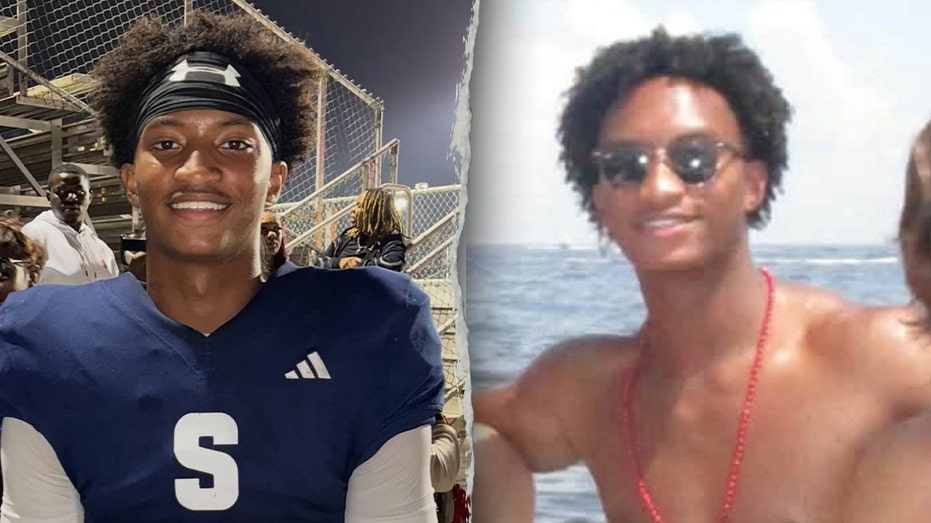
A Mississippi grand jury has declined to indict anyone in the death of 18-year-old college football player Nolan Wells, who disappeared during a Fourth of July boating trip near Horn Island. The 23-member Jackson County panel heard testimony from 43 witnesses and reviewed physical and digital evidence before concluding that the circumstances were consistent with drowning. Investigators found no credible evidence that a crime caused Wells’ death, while the case could be reconsidered if new evidence emerges.
| 1) | Grand jury reviews Wells’ disappearance and death |
|---|---|
| 2) | Evidence pointed to drowning rather than homicide |
| 3) | Witness accounts and toxicology findings examined |
| 4) | Phone evidence and online allegations addressed |
| 5) | Investigation may reopen if credible evidence emerges |
Grand jury reviews Wells’ disappearance and death
Wells disappeared on July 4 after traveling with friends to Horn Island, a barrier island off Mississippi’s Gulf Coast. A multi-agency search recovered his body in waters near the island two days later. The grand jury reviewed police reports, interviews, videos, photographs, maps, physical evidence and digital material before reaching its conclusion.
The findings were released by Jackson County District Attorney Angel Myers McIlrath. The panel determined that criminal charges were not warranted based on the evidence presented. The decision followed public attention and widespread speculation about the people who had traveled to or from the island.
Evidence pointed to drowning rather than homicide
The report said the position, condition, discovery time and location of Wells’ body were consistent with drowning. It found no credible evidence that anyone aboard the boats involved in the trip committed a crime connected to his death.
Investigators also examined bruising on the back of Wells’ head. The grand jury determined that the injury was not fatal, although investigators could not establish how it occurred. The report stated there was no evidence of another fatal injury or an organic disease that caused his death.
“If credible evidence comes to light in the future that suggests Mr. Wells’ death was non-accidental, this matter should be represented to the Jackson County Grand Jury for further consideration.”
Witness accounts and toxicology findings examined
One witness told the grand jury that Wells was seen slipping awkwardly from the side of a boat around the time he was last observed. The witness could not determine whether Wells struck his head, but said he continued socializing afterward and did not appear to be injured. The report also found no indication that Wells had been involved in a fight or argument that day.
Questions about alcohol use were also reviewed. The report said Wells purchased alcohol with a fake identification document and that no adults of legal drinking age supplied him with alcohol on the island. Toxicology results were described as not particularly informative because decomposition fluid is unreliable for determining substance levels. The grand jury found no cocaine in his system and no evidence that he had used the drug.
Phone evidence and online allegations addressed
Wells’ cellphone returned to the mainland without him, a circumstance that fueled questions about the trip. The grand jury said it was not unusual for visitors to Horn Island to leave phones and other belongings on boats or return on different vessels. It also found that Wells’ phone was not the only device to return without its owner.
The panel criticized public allegations directed at occupants of the three boats and their relatives and friends. It characterized the attacks as malicious and unsupported by evidence. Wells’ family was allowed to submit material from its private investigation, and the family’s attorneys reportedly said they had found no witness or evidence they reasonably believed indicated criminal conduct requiring referral.
Investigation may reopen if credible evidence emerges
A private autopsy commissioned by Wells’ family had listed the cause and manner of death as undetermined pending investigation. At a July 22 news conference, civil rights attorney Ben Crump said the examination identified red discoloration on the back of Wells’ head, while pathologist Roger Mitchell could not determine the cause or manner of death.
The grand jury’s decision does not prevent authorities from revisiting the case. Mississippi has no statute of limitations for homicide cases, and prosecutors said the matter could return to the panel if credible evidence indicates that Wells’ death was not accidental.
| Number | Key Point |
|---|---|
| 1 | A 23-member grand jury heard from 43 witnesses. |
| 2 | The evidence was considered consistent with drowning. |
| 3 | No credible evidence of criminal conduct was identified. |
| 4 | The case could be reconsidered if new credible evidence appears. |
Summary
The grand jury concluded that Wells’ death was consistent with drowning and found no basis for criminal charges. While questions remain about the circumstances of his disappearance and an unexplained head bruise, the evidence reviewed did not establish homicide. Authorities retain the ability to reopen the matter if credible new information emerges.
Frequently Asked Questions
Who was Nolan Wells?
Nolan Wells was an 18-year-old college football player who disappeared during a July 4 boating trip near Horn Island in Mississippi.
What did the grand jury decide?
The Jackson County grand jury declined to indict anyone, finding no credible evidence that a crime caused Wells’ death.
Can the case be reopened?
Yes. Prosecutors said the case could be presented to a grand jury again if credible evidence suggests Wells’ death was non-accidental.