
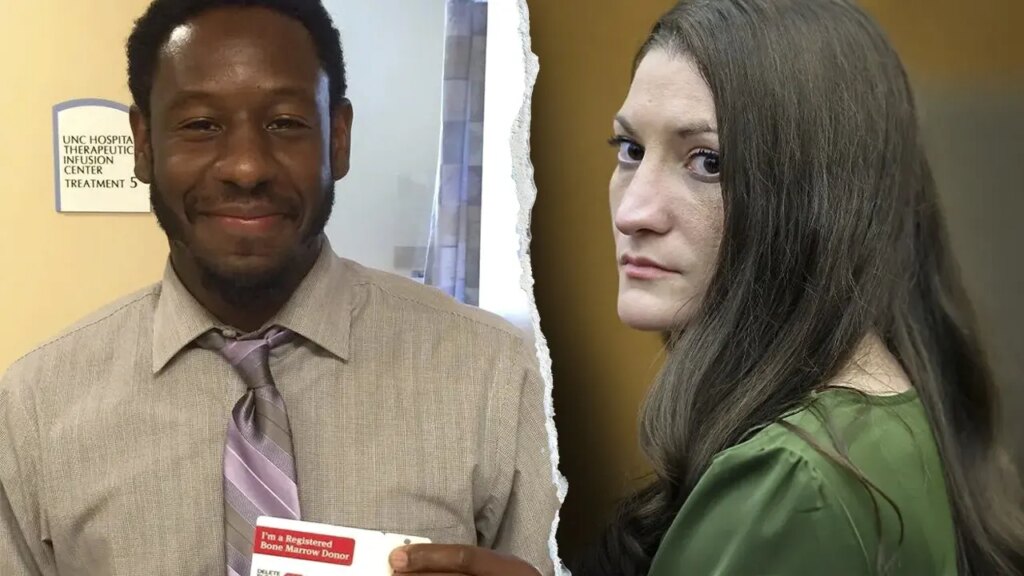
The trial of Lindsay Clancy, a former labor and delivery nurse accused of murdering her three children, has taken a dramatic turn as the legal proceedings have now ended in a mistrial. The case centered around fierce debates among jurors, particularly one individual who resisted joining the majority consensus. This juror, Michael P. Desronvil, held firm in his belief that Clancy was guilty despite expressed doubts from other jurors regarding her mental state. Legal representatives are now considering the implications of these developments on future proceedings.
| Article Subheadings |
|---|
| 1) The Role of the Lone Holdout Juror |
| 2) Details of the Murder Trial |
| 3) The Impact of Mental Health Defense |
| 4) Future Legal Proceedings |
| 5) Public Reaction and Criticism |
The Role of the Lone Holdout Juror
In the courtroom drama that unfolded during the trial of Lindsay Clancy, Michael P. Desronvil emerged as the lone holdout juror. His determination to advocate for a conviction raised questions about the dynamics of the jury’s decision-making process. The deliberations continued for seven days, during which the other eleven jurors were reportedly ready to find Clancy not criminally responsible for her actions due to purported mental health issues. According to the testimony from attorney Edward Paltzik, Desronvil remained steadfast, expressing that he had “zero doubt” about his decision regarding Clancy’s guilt.
This insistence on conviction highlights the complexities of jury deliberations, where differing opinions can cause significant tension amongst jurors. Desronvil’s solicitor indicated that the juror, in his opinion, had a strong basis for his beliefs, including what he termed “a mountain of evidence.” This divergence in perspectives is not uncommon in high-stakes trials, and has often resulted in riveting courtroom discussions regarding juror responsibilities and ethical obligations.
Details of the Murder Trial
The trial focused on the tragic deaths of three young children—5-year-old Cora, 3-year-old Dawson, and 8-month-old Callan—allegedly at the hands of their mother, Lindsay Clancy. Events took place in January 2023 at their home in Duxbury, Massachusetts. Clancy admitted to the killings, yet her legal team contended that she suffered from postpartum psychosis, a mental health condition that could absolve her of responsibility for her actions.
Prosecutors, however, argued that Clancy possessed the mental capacity to understand the consequences of her actions, thus qualifying for charges of murder rather than a mental health defense. The intricacies of the arguments presented created a compelling yet agonizing narrative, captivating both the jury and the public. Ultimately, the judgment was stalled by Desronvil’s insistence on not succumbing to the group belief, which caused Judge William Sullivan to declare a mistrial on September 4.
The Impact of Mental Health Defense
The crux of the legal battles often lies in the interpretation of mental health in legal proceedings. In Clancy’s case, her defense argued that her mental state at the time of the killings, stemming from postpartum psychosis, rendered her incapable of comprehending the nature of her actions. Such defenses evoke a growing discussion around how the legal system handles mental illness, particularly in cases involving violent crime.
Desronvil’s perspective, albeit singular among the jurors, contrasts starkly with the defense’s claims. He maintained that the evidence, including physical clues and testimonies from experts, reinforced his belief that Clancy was aware of her actions. The tension between the emotional narratives of motherhood and the responsibilities of law presents significant challenges for jurors when reaching a verdict, showcasing the thin line between compassion and accountability.
Future Legal Proceedings
As the legal ramifications of the mistrial unfold, uncertainty looms over what steps may follow. Prosecutors have yet to announce whether they will seek to retry Lindsay Clancy, indicating that the next court appearance scheduled for September 29 could carry important implications. The decision to retry a case versus pursuing a plea deal often centers around the perceived strength of evidence and public interest.
Should the prosecution decide to move forward, there will be heightened scrutiny not only around the evidence presented but how they will address the mental health issues that formed the core of Clancy’s defense. This ongoing legal saga is likely to remain in the public eye, sparking debate about the intersection of mental health and criminal culpability.
Public Reaction and Criticism
Public response to the trial and subsequent mistrial has been varied, with many expressing sympathy for Clancy’s situation while others are appalled at the actions she took against her own children. The media coverage and public commentary reflect a polarized society grappling with the implications of crime, mental health, and justice. Commentators have raised concerns about the emotional toll such trials take on juries, emphasizing a call for improved education on mental health issues to guide future juror decisions.
In the wake of the mistrial, some advocates suggest creating frameworks that would better prepare jurors for handling similar cases. The discussions surrounding Clancy’s trial might act as a catalyst for broader discourse around mental health defenses in criminal cases, possibly leading to reforms that address how these issues are evaluated in the legal system.
| No. | Key Points |
|---|---|
| 1 | The trial of Lindsay Clancy ended in a mistrial after juror Michael P. Desronvil held out for a conviction. |
| 2 | Eleven jurors were prepared to find Clancy not criminally responsible, but Desronvil disagreed strongly. |
| 3 | The defense argued mental illness due to postpartum psychosis, while prosecutors claimed Clancy understood her actions. |
| 4 | The judge declared a mistrial on September 4, 2023, raising questions about potential retrials. |
| 5 | Public reaction is polarized, highlighting societal struggles with understanding crime and mental health. |
Summary
The mistrial in Lindsay Clancy’s case illustrates the complexities of juror dynamics and the challenges of incorporating mental health considerations into criminal trials. As the legal team prepares for potential next steps, the implications of this case extend beyond the courtroom, prompting discussions on the standards of accountability in light of psychological conditions. The public’s response and subsequent legal debates may shape the landscape of similar cases in the future, making it a pivotal moment in the intersection of law and mental health.
Frequently Asked Questions
Question: What is the central accusation against Lindsay Clancy?
Lindsay Clancy is accused of murdering her three children in January 2023, a claim she admitted but contended was influenced by her mental health condition.
Question: How did the jury reach a mistrial?
The jury could not arrive at a unanimous decision due to one juror, Michael P. Desronvil, refusing to agree with the opinion that Clancy was not criminally responsible for her actions.
Question: What defense was presented by Clancy’s legal team?
Clancy’s legal representation argued that she suffered from postpartum psychosis, rendering her incapable of understanding the consequences of her actions during the incident.