
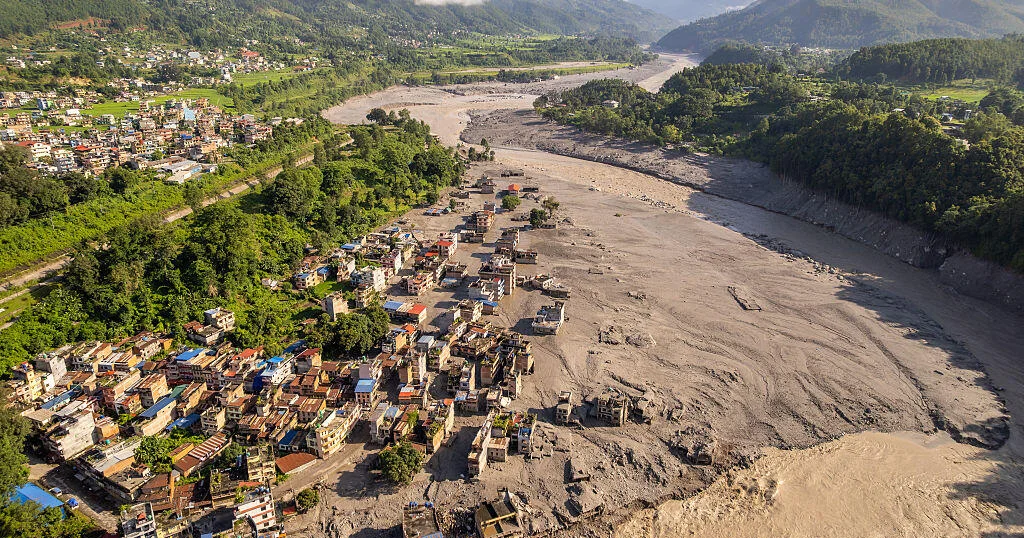
Rescue operations continue in Nepal following devastating flash floods that have claimed over 600 lives and left approximately 3,000 people missing. The floods, linked to the collapse of a glacier, have severely impacted not only Nepal but also nearby regions of China, prompting urgent rescue efforts hindered by adverse weather conditions. Authorities are grappling with ongoing risks as new lakes form from the disaster and warnings of further flooding persist.
| Article Subheadings |
|---|
| 1) The Impact of Flash Floods on Communities |
| 2) Rescue Operations and Challenges Faced |
| 3) Underlying Causes of the Catastrophe |
| 4) International Response and Aid |
| 5) Staggering Statistics and Future Implications |
The Impact of Flash Floods on Communities
The flash floods that struck Nepal on August 26, 2026, have left a profound impact on local communities. As of the latest reports, over 600 individuals have lost their lives, and approximately 3,000 remain unaccounted for, highlighting the human toll of this natural disaster. The floods primarily affected the regions near the epicenter of the collapse, which include various small villages and towns struggling to manage the aftermath.
The Nepali Red Cross has indicated that around 90,000 individuals may have been affected, with significant disruptions to daily life, infrastructure, and access to essential services. Floodwaters have destroyed homes, swept away businesses, and dismantled vital transportation links, isolating several towns and making it difficult for aid to reach those in need.
This disaster has also increased the emotional and psychological burden on the survivors, as fears of aftershocks and further flooding have left communities on edge. Areas like DevGhat village now feature landscapes of destruction, with properties submerged under thick layers of mud and debris.
Rescue Operations and Challenges Faced
As rescue operations enter their fourth day, teams are working tirelessly to locate and save those trapped or stranded due to the floods. Brig. Gen. Raja Ram Basnet, a spokesperson for the Nepali Army, noted that poor weather conditions have largely hampered aerial rescue efforts. Helicopter missions aimed at reaching cut-off areas and people trapped in tunnels have been stalled due to thick clouds and heavy rain, which limit visibility and safety for rescue teams.
Rescuers face daunting challenges, particularly in Rasuwa district, where over 100 individuals are believed to be trapped in a construction site tunnel, filled with mud. In a dramatic scene captured on video, teams used helicopters to airlift some individuals from treacherous conditions, but operations were complicated by up to 5 feet of mud and the precarious nature of the environment. In regions where mudflows have occurred, limited access and unsafe terrain hinder swift rescue attempts.
To adapt to evolving conditions, rescue teams have been forced to relocate temporarily due to concerns about new flooding risks from a lake that has formed upstream, threatening to overflow. Authorities continue to monitor the situation closely.
Underlying Causes of the Catastrophe
The latest scientific assessments suggest that the flash floods resulted from a catastrophic geological event, particularly the collapse of a bedrock section beneath a glacier in the Himalayan region. This collapse, which registered as a magnitude 5.2 seismic event, released torrents of melted water and debris into rivers, triggering rapid flooding in the valleys below.
“What happened yesterday is unfortunately the new normal. It’s going to get worse from here onwards,” said geoscientist Jakob Steiner, highlighting the broader implications of climate change on the region.
As global temperatures rise, the Hindu Kush Himalayan region is witnessing significant alterations in its glaciers and permafrost, contributing to instability in the environment. Experts indicate that 78% of glacial areas are currently exposed to warming, necessitating urgent action to address climate-related vulnerabilities.
International Response and Aid
In the wake of the flood disaster, international responses began to materialize rapidly. The U.S. State Department confirmed that five American citizens have found their way to safety, while approximately 90 more remain unaccounted for. Efforts include coordinating with Nepali officials to deliver much-needed supplies, including food, blankets, and medical assistance to affected individuals.
The U.S. Embassy in Nepal has been proactive, supplying over 2.5 metric tons of food alongside essential items for temporary shelter. The organization’s partnerships with local groups, such as Catholic Relief Services and its implementing partner Caritas Nepal, enable them to distribute resources to critical areas effectively.
Rescue teams and international organizations are working closely together to analyze the scope of the disaster and develop appropriate responses to support the affected communities. For instance, maintaining open lines of communication with the families of unaccounted individuals has been prioritized to ease distress.
Staggering Statistics and Future Implications
The current disaster has unveiled staggering statistics regarding the impact of climate change on the Himalayan region. As reported, more than 3,700 individuals have been rescued in Nepal, yet the increasing number of missing persons—whether locals or international visitors—underscores the urgency for enhanced disaster preparedness measures. Particularly, a significant portion of the affected populations consisted of foreign workers and tourists visiting sacred sites.
Experts are now warning that occurrences similar to these floods could become more frequent without substantial environmental and policy changes. Climate scientists advocate for a reevaluation of emergency response plans while emphasizing the need to uplift infrastructure safety standards in disaster-prone regions.
As local communities begin to rebuild, the focus will undoubtedly shift towards sustainable practices that not only restore, but also potentially enhance resilience against future climatic events, thereby mitigating loss of life and property.
| No. | Key Points |
|---|---|
| 1 | Over 600 people confirmed dead, 3,000 missing following devastating flash floods. |
| 2 | Rescue operations hindered by adverse weather conditions and mud debris. |
| 3 | Floods triggered by a geological event linked to climate change. |
| 4 | International response coordinated for humanitarian assistance and resources. |
| 5 | Increasingly dire implications for future disasters resulting from environmental changes. |
Summary
The catastrophic flash floods in Nepal stand as a stark reminder of the destructive potential of climate change and geological instability. With numerous lives lost and thousands still unaccounted for, the repercussions extend far beyond physical destruction. As the resilience of affected communities is tested, both immediate and long-term actions are required to build stronger frameworks against future disasters. The cooperation between local and international agencies highlights the commitment to assist those in desperate need, signaling hope amid despair.
Frequently Asked Questions
Question: What caused the catastrophic floods in Nepal?
The floods were triggered by the collapse of a glacier, leading to a sudden release of water and debris that overwhelmed local rivers. Scientists confirmed that this event was significant enough to register as a magnitude 5.2 seismic event due to the collapse of bedrock beneath the glacier.
Question: How are rescue operations being conducted in Nepal?
Rescue operations involve military personnel and emergency responders working around the clock to locate and assist those trapped by the floods. However, poor weather conditions and mud debris have complicated efforts, often forcing teams to adapt their strategies for safety and efficacy.
Question: What assistance is being provided to affected areas?
International aid, including essential supplies like food, blankets, and medical resources, is being delivered in coordination with local authorities. Organizations like the Red Cross and relief agencies are actively engaged in providing humanitarian assistance to impacted communities.