
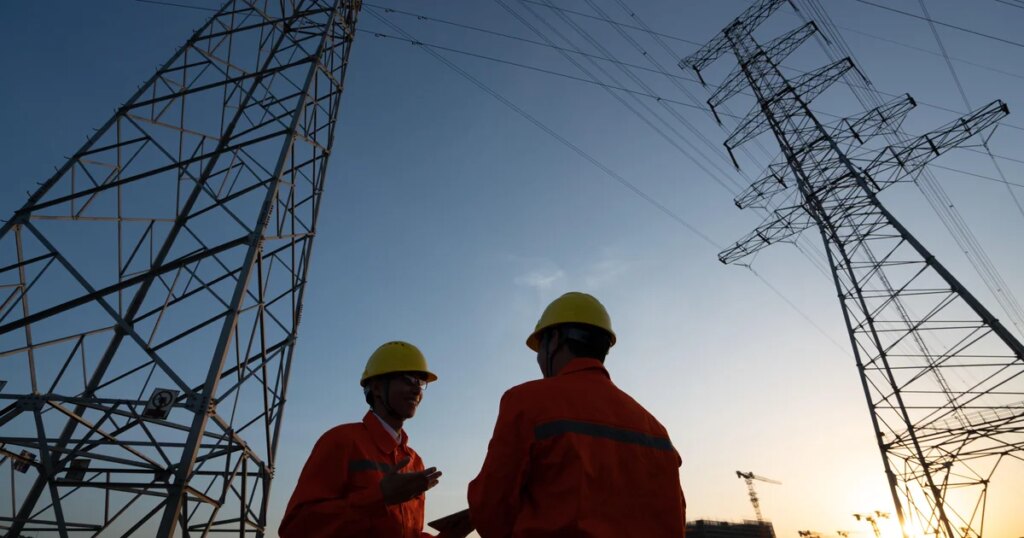
In an unprecedented legal battle, NV Energy, Nevada’s largest energy provider, has initiated a lawsuit against data center developer Tract. The core issue revolves around the costs associated with expanding energy infrastructure required to support Tract’s planned data centers, which are projected to draw over 2 gigawatts of power—almost a third of the energy provider’s total capacity. This case not only highlights the financial responsibilities of new developments but could also shape future infrastructure agreements in the state amidst the ongoing AI and data center boom.
| Article Subheadings |
|---|
| 1) Legal Background of the Dispute |
| 2) The Energy Infrastructure Challenge |
| 3) Tract’s Financial Commitment |
| 4) The Impact on Consumers |
| 5) Future Implications for Data Centers |
Legal Background of the Dispute
The lawsuit commenced when NV Energy discovered that Tract, which has plans to develop two significant campuses near Reno, was calling for private arbitration over the energy supply agreements. Disagreements arose concerning the infrastructure costs necessary to support Tract’s power demands. Although the energy provider argues that this issue is critical to all Nevada ratepayers, Tract insists that NV Energy is trying to sidestep obligations established in existing agreements. The dispute has escalated, as both parties have firmly planted their feet regarding how these costs should be approached, complicating the situation.
NV Energy asserts that significant investments must be made to cater to the energy requirements of these data centers. According to the company, in addition to the arbitration, this matter transcends a contract dispute and delves into broader questions about energy policy and regulation in Nevada. The utility company argues that the state’s Public Utilities Commission should have oversight on these decisions, which have far-reaching consequences beyond just the two entities involved.
The Energy Infrastructure Challenge
The crux of the issue lies in the tremendous energy requirements these data centers will demand. Collectively, the planned campuses are expected to draw more than 2 gigawatts of power, a staggering amount equivalent to the energy needs of a midsize city. This raises critical questions about who should bear the costs of expanding the energy infrastructure. Current regulations mandate that large power users cover their own expansion costs, preventing the financial burden from falling on average ratepayers. The legislative framework aims to ensure that essential services are available while also being economically manageable for the state’s inhabitants.
NV Energy’s lawsuit highlights their position as a utility company that must balance the energy demands of new developments alongside financial responsibility. If not managed correctly, the consequences could see energy costs rising for all consumers, affecting local economies and households alike. The energy provider maintains that the infrastructure investments must be borne by those who benefit from the services: developers like Tract, rather than the general populace.
Tract’s Financial Commitment
In response to the lawsuit, Tract has emphasized its own commitment to Nevada’s energy future. The developer has reportedly invested over $127 million into local infrastructure projects, with plans to envelope nearly $1 billion into network upgrades aimed at benefiting NV Energy’s consumer base. Tract argues that NV Energy is misrepresenting its planning capabilities, stating that the utility company had previously assured it would provide the necessary power. The crux of their contention revolves around the lack of viable planning by the energy provider and the firm’s view that NV Energy is deflecting its own inadequacies onto data center developers.
Tract posits that the escalating energy demands can only be met through substantial investment in infrastructure. The company’s representatives maintain that the upgrades will significantly benefit NV Energy by providing additional capacity in the long run. This portrays Tract not just as a user of energy but as a contributor to enhancing the overall energy landscape of Nevada, insisting that a collaborative approach will better serve everyone involved.
The Impact on Consumers
Consumers are at the heart of this legal battle, as the ramifications of this case could alter the economic landscape of energy costs in the state. NV Energy has raised considerable concern about the potential for future rate hikes should the infrastructure improvements not materialize. The utility company’s spokesperson, Katie Jo Collier, explained that current residential and small business customers shouldn’t bear the financial burdens associated with accommodating large developments like Tract’s data centers. Their insistence on public consultation highlights the importance of input from consumer advocates and community members.
The argument centers not only on who pays for the changes, but also on the broader implications for utility pricing and availability. If NV Energy is compelled to raise rates to manage infrastructure shortfalls, the result will hit especially hard for average residents and small businesses that are already navigating economic difficulties. This legislative and regulatory battle underscores consumer vulnerability in the face of large-scale developments, where their interests may become secondary to corporate fiscal strategies.
Future Implications for Data Centers
As this legal confrontation unfolds, it is becoming evident that its outcomes will bear significant weight on the future of data center operations in Nevada and beyond. The state has been attractive to tech companies due to its relatively low energy rates compared to neighboring California—a key selling point in attracting data center investment. However, with this lawsuit setting a precedent for how energy costs and infrastructure responsibilities are interpreted, the relationship between data centers and utility providers could face profound changes.
In particular, the dynamics within Nevada may shift as utility companies start to reassess their contracts and agreements with tech developers, potentially leading to stricter requirements and higher costs imposed on future projects. Additionally, the community may become more vocal about their concerns as more stakeholders enter the discussions around energy consumption and sustainability in light of consumer impact and financial burdens.
| No. | Key Points |
|---|---|
| 1 | NV Energy has sued Tract over energy infrastructure costs. |
| 2 | Tract’s planned data centers would demand over 2 gigawatts of power. |
| 3 | The case challenges who bears the costs of energy infrastructure expansion. |
| 4 | Tract argues it has invested significantly in Nevada’s infrastructure. |
| 5 | The lawsuit may influence future data center developments in the state. |
Summary
The legal clash between NV Energy and Tract signifies the evolving dynamics of energy responsibility amid growing demands from data centers. As the case unfolds, it is pivotal to monitor its implications for infrastructure costs, consumer rates, and the operational landscape of technology firms in Nevada. Ultimately, the outcome could redefine how both companies and the public engage with energy policy in a state positioning itself as a hub for the burgeoning tech industry.
Frequently Asked Questions
Question: What is the main issue in the NV Energy vs. Tract lawsuit?
The lawsuit primarily concerns who is financially responsible for the infrastructure costs necessary to support the enormous energy demands of Tract’s planned data centers.
Question: How much power will the planned data centers demand?
Tract’s two data center campuses near Reno are expected to draw over 2 gigawatts of power, nearly a third of NV Energy’s generating capacity.
Question: What are the implications for consumers if NV Energy raises rates?
If NV Energy raises rates to cover infrastructure costs, the increased energy expenses could significantly impact residential customers and local businesses already facing economic challenges.