
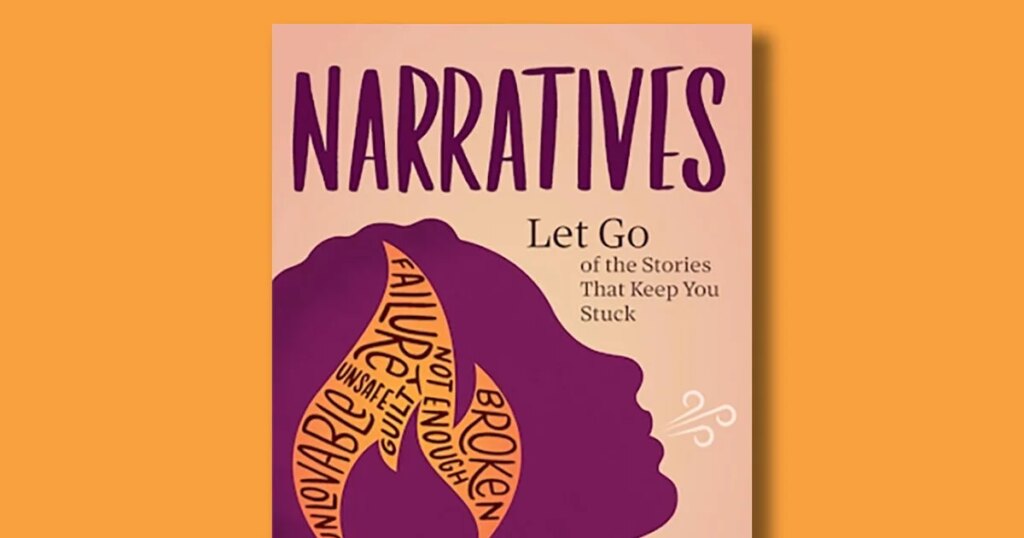
In her upcoming book titled “Narratives: Let Go of the Stories That Keep You Stuck,” set to release on November 3, psychotherapist Nancy Colier explores how the narratives we construct about ourselves can hinder our ability to lead authentic and fulfilling lives. By drawing on personal anecdotes and popular psychology, Colier emphasizes that the stories we tell ourselves can create barriers to happiness. This article delves into her insights and highlights the impact of these internal narratives on daily life while also previewing an exclusive interview with her.
| Article Subheadings |
|---|
| 1) The Unconscious Narratives We Live By |
| 2) Personal Stories and Their Impact |
| 3) Escaping the Self-Constructed Prison |
| 4) Universal Struggles and Individual Realities |
| 5) Embracing New Narratives for Personal Growth |
The Unconscious Narratives We Live By
Every individual holds a myriad of personal narratives operating subconsciously, shaping their worldview and actions. According to Nancy Colier, these internal stories influence how we perceive our environments, interact with others, and respond to life’s challenges. She notes that often, people are unaware that the assumptions they carry—whether about their worthiness or potential—stem from narratives constructed in response to past experiences. As Colier highlights, the stories we tell ourselves often dictate our realities and may lead to self-limiting beliefs.
For instance, an individual raised in an environment where they faced criticism might internalize a narrative of inadequacy, leading them to avoid opportunities due to fear of failure. This operating narrative becomes a lens through which all experiences are filtered. Thus, acknowledging and examining these subconscious beliefs is crucial. It allows individuals to understand their motivations and reactions, marking the first step toward overcoming the self-imposed restraints that these narratives create.
Personal Stories and Their Impact
Personal narratives significantly shape our behavior and relationships. In her book, Colier discusses the example of a friend, Francesca, who interpreted an invitation to be a bridesmaid at a destination wedding as a negative reflection of her worth. Her narrative led her to see the invitation as a subtle insult, rather than as a celebration of friendship. This example illustrates how narratives can distort reality, leading individuals to act in ways that perpetuate negative feelings and misunderstandings.
Another related anecdote concerns a diner incident involving a couple discussing service. A man’s frustration over a perceived slight led him to embellish a story of disrespect that wasn’t grounded in the reality of the wait staff’s intentions. Here, Colier suggests that individuals craft these stories to find meaning and validate their emotions, even when the interpretations may not align with the facts. The emotional turbulence stemming from these narratives can create havoc in personal relationships, as perceptions can become skewed, leading to unnecessary conflict.
Escaping the Self-Constructed Prison
The story of iconic escape artist Harry Houdini, who famously failed to escape from a seemingly locked cell only to realize it was never locked at all, serves as a powerful metaphor in Colier’s narrative. She emphasizes that many people remain prisoners of their thoughts, bound by self-constructed narratives that define their sense of self. In doing so, she exhorts readers to recognize that freedom often lies in relinquishing these narratives and embracing a broader perspective.
To escape this self-imposed prison, Colier suggests individuals work towards mindfulness and self-awareness, actively questioning their negative thoughts and the validity of their overarching narratives. By doing so, she asserts that they can start to deconstruct the limiting beliefs that no longer serve them. This practice is not merely about identifying flaws in one’s self-perception but about forging a deeper understanding of oneself and the world. In doing so, they can pave the way toward a more fulfilled life, unencumbered by oppressive self-stories.
Universal Struggles and Individual Realities
Another vital avenue Nancy Colier explores is the common human tendency to believe that our individual stories reflect a universal experience. She argues that every person operates under the delusion that their “movie” is the definitive version of reality. This perspective can often create empathy but can also lead to miscommunication and isolation. For instance, if someone believes their interpretation of a situation is the only valid one, they may fail to acknowledge the diverse experiences of others.
This phenomenon can create barriers in communication, as people often react defensively when their narrative is challenged. Colier stresses the importance of recognizing that every person has an intricate story, layered and complex, which colors their interactions and interpretations. Cultivating this understanding can create a pathway to genuine empathy, where one can appreciate differing perspectives without attaching negative judgments to them.
Embracing New Narratives for Personal Growth
Through her work, Nancy Colier encourages the reader to actively engage in reshaping their narratives. She posits that letting go of detrimental stories can facilitate growth and enable a larger capacity for joy and connection. Colier asserts that every person has the ability to re-author their life story, stepping away from the limitations of past experiences and beliefs.
She advocates for practices such as journaling, therapy, and open conversations to foster exploration of new narratives. These tools encourage individuals to rewrite their experiences honestly, allowing them to integrate and make sense of past trauma while envisioning a brighter future. This creative practice is essential for overcoming stagnation and promoting a healthier mental state.
| No. | Key Points |
|---|---|
| 1 | Personal narratives shape an individual’s perception of reality. |
| 2 | Misinterpretations from these narratives can lead to conflict and misunderstanding. |
| 3 | Self-awareness and mindfulness are key to recognizing limiting beliefs. |
| 4 | Understanding the individuality of experiences can foster empathy and deeper connections. |
| 5 | Rewriting personal narratives can promote healing and personal growth. |
Summary
The insights presented in Nancy Colier’s upcoming book provide thought-provoking perspectives on the narratives that define human experiences. By addressing how these internal stories can create barriers to authentic living and personal happiness, Colier inspires readers to challenge their ingrained beliefs and recognize the power of revising their narratives. As this exploration unfolds, it is clear that reshaping one’s story can lead to far-reaching implications for personal well-being and relational dynamics.
Frequently Asked Questions
Question: What is the main theme of Nancy Colier’s book?
The main theme centers around the influence of personal narratives on one’s life and how these stories can act as barriers to happiness and fulfillment.
Question: How can individuals change their self-stories?
Individuals can change their self-stories by engaging in reflective practices such as journaling, therapy, and open discussions, enabling them to cultivate a clearer understanding of their experiences and reshape their narratives.
Question: Why is understanding others’ narratives important?
Understanding others’ narratives is crucial for fostering empathy and mitigating conflict, as it allows individuals to recognize that every person has unique experiences that shape their viewpoints.