
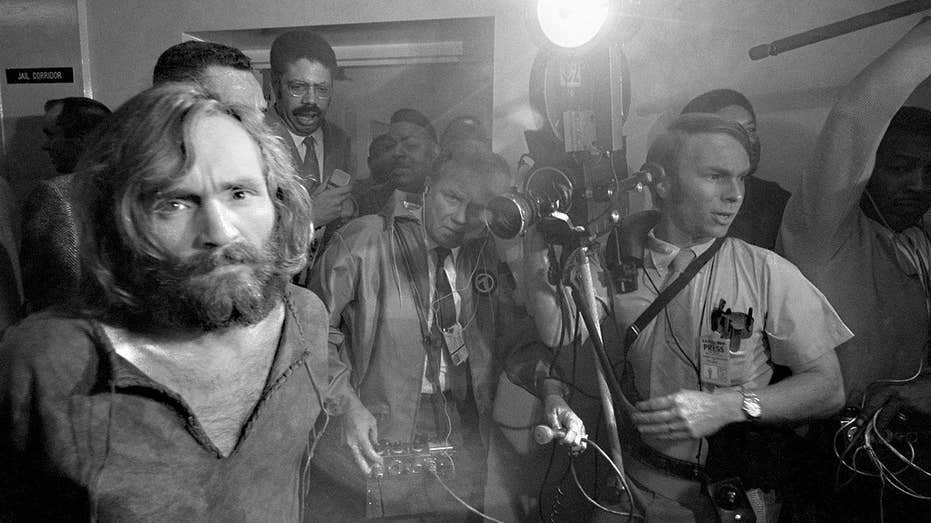
Previously unreleased prison recordings are prompting renewed scrutiny of the motive behind the 1969 murders linked to the Manson Family. Filmmaker Joe Berlinger argues that the killings were driven less by a plan to start a race war than by attempts to cover up earlier crimes. The theory centers on a botched drug deal, the killing of musician Gary Hinman and efforts to help imprisoned follower Robert Kenneth Beausoleil. It challenges, but does not replace, the prosecution’s longstanding “Helter Skelter” theory.
The recordings appear in a three-part documentary series examining Charles Manson, his followers and the criminal case that made him a prominent true crime figure. Prosecutors argued that Manson directed the murders to trigger an apocalyptic race war influenced by the Beatles’ song “Helter Skelter.” Berlinger contends that the evidence instead points to improvised efforts to conceal the Hinman killing and protect Beausoleil.
| 1) | The recordings challenge the established motive |
| 2) | A drug dispute set the chain of events in motion |
| 3) | The Hinman killing became central to the cover-up theory |
| 4) | The Tate and LaBianca murders followed in Los Angeles |
| 5) | The legal legacy continues to shape the case |
The recordings challenge the established motive
The documentary uses previously unreleased prison audio of Charles Manson and former group members to revisit events around Los Angeles in 1969. Berlinger says the recordings support a motive based on panic and concealment rather than a carefully organized campaign to ignite racial violence.
The distinction matters because the “Helter Skelter” theory became the prosecution’s organizing explanation for crimes Manson did not personally carry out. Berlinger maintains that the theory helped establish Manson’s legal responsibility but did not accurately describe what motivated the killings.
A drug dispute set the chain of events in motion
According to the documentary’s account, follower Charles “Tex” Watson took money from drug dealer Bernard “Lotsapoppa” Crowe, who threatened retaliation. Manson later shot Crowe and mistakenly believed he had killed him. Crowe was not a member of the Black Panthers, although Manson reportedly feared retaliation from the group.
Manson brought Robert Kenneth Beausoleil into the group and involved him in efforts to protect Spahn Ranch. Members of the Straight Satans motorcycle club were also invited to the ranch. The documentary says these relationships, drug dealings and fears created the circumstances that led to the Hinman confrontation.
The Hinman killing became central to the cover-up theory
Beausoleil had obtained drugs from music teacher Gary Hinman, but the supply allegedly failed to satisfy motorcycle club members. When Beausoleil tried to recover their money, Manson arrived at Hinman’s home. Court records described a violent confrontation lasting about three days, during which Hinman was tortured and killed.
The documentary says Manson wounded Hinman with a sword and directed Beausoleil to complete the attack. Afterward, “Political Piggy” and an animal paw print were written at the scene in an apparent attempt to implicate the Black Panthers. Beausoleil was later arrested while driving Hinman’s vehicle, with the murder weapon reportedly inside it.
The Tate and LaBianca murders followed in Los Angeles
On August 9, 1969, followers killed Sharon Tate, who was eight and a half months pregnant, along with Abigail Folger, Jay Sebring, Wojciech Frykowski and Steven Parent at a Los Angeles residence previously rented by producer Terry Melcher. The following night, Leno LaBianca and Rosemary LaBianca were killed at their home.
The documentary’s theory is that the first attack was intended to resemble the Hinman killing and create doubt about Beausoleil’s responsibility. When the expected connection did not appear in news reports, another murder followed. Blood-written phrases at the LaBianca home included “Pigs” and the misspelled “Healter Skelter,” details prosecutors used to support their interpretation of Manson’s ideology.
The legal legacy continues to shape the case
Prosecutor Vincent Bugliosi argued that Manson indoctrinated followers with the belief that a race war was coming and ordered violence against wealthy and prominent people. Manson, Susan Atkins, Patricia Krenwinkel and Leslie Van Houten were convicted in the Tate-LaBianca case. Charles “Tex” Watson was tried and convicted separately.
Their death sentences became life sentences after California’s Supreme Court invalidated the state’s death penalty in 1972. Atkins died in prison in 2009, Van Houten was released on parole in 2023, and Krenwinkel and Watson remain incarcerated. Manson died in a California hospital in 2017 at age 83.
| Number | Key Point |
|---|---|
| 1 | New prison recordings challenge the idea that the killings were primarily intended to start a race war. |
| 2 | The alternative theory begins with a drug dispute involving Bernard “Lotsapoppa” Crowe and Gary Hinman. |
| 3 | The Tate and LaBianca killings occurred on August 9 and 10, 1969. |
| 4 | Manson was convicted as a conspirator despite not being present at either murder scene. |
Summary
The prison recordings add weight to an interpretation that the Manson Family killings emerged from criminal mistakes, fear and efforts to conceal the Hinman murder. They do not erase evidence that Manson promoted apocalyptic and racial ideas, but they raise questions about whether those beliefs directly motivated the Tate and LaBianca attacks.
Frequently Asked Questions
What do the new recordings claim motivated the murders?
The documentary’s interpretation is that the killings followed a botched drug deal and efforts to cover up Gary Hinman’s killing and help Robert Kenneth Beausoleil.
What was the “Helter Skelter” theory?
Prosecutors argued that Charles Manson wanted to trigger a race war based on his interpretation of the Beatles’ song “Helter Skelter” and directed followers to kill as part of that plan.
Who was killed in the Tate-LaBianca attacks?
The victims were Sharon Tate, Abigail Folger, Jay Sebring, Wojciech Frykowski, Steven Parent, Leno LaBianca and Rosemary LaBianca.