
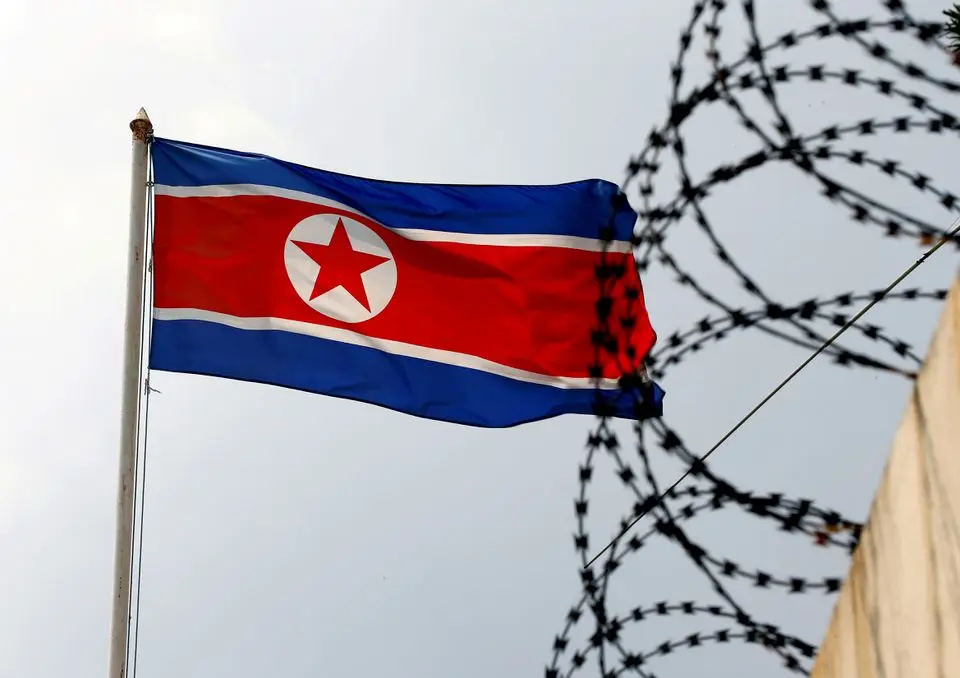
In a significant revelation, reports indicate that thousands of North Korean operatives are posing as IT professionals to infiltrate U.S. companies through remote work opportunities. Utilizing stolen identities and advanced technology, these operatives have managed to secure jobs, thereby generating substantial revenue for the North Korean regime. In 2024 alone, this operation is reported to have generated nearly $800 million for North Korea, bolstering its funding for various military programs, including weapons development. Federal authorities are now tasked with addressing this growing cyber threat that could compromise corporate network security on multiple levels.
| Article Subheadings |
|---|
| 1) The Scale of the North Korean Cyber Operation |
| 2) The Inside Perspective: Insights from Cybersecurity Experts |
| 3) Recruitment Tactics Used by North Korean Operatives |
| 4) The Potential Risks to U.S. Companies |
| 5) Recommendations for Companies to Mitigate Risks |
The Scale of the North Korean Cyber Operation
The North Korean regime has developed a sophisticated network of operatives who pose as remote IT workers to extract financial resources from American companies. According to reports from the U.S. Treasury Department, this scheme has been generating significant sums—nearly $800 million in 2024 alone. The funds are reportedly being channeled into the regime’s weapons programs, further complicating international relations and national security issues related to North Korea. This operation is not just a simple form of online fraud; it constitutes a strategic assault on U.S. economic stability and safety.
Each of these operatives gains legitimate credentials and trusted access to corporate networks once hired, presenting grave risks beyond mere financial loss. The strong earnings reported have enabled the North Korean government to plug financial gaps created by severe international sanctions that have cut off traditional funding sources. The potential for these operatives to infiltrate sensitive business operations underlines the need for increased vigilance on the part of U.S. employers.
The Inside Perspective: Insights from Cybersecurity Experts
Professionals in cybersecurity have begun sounding the alarm about the extent of the issue. Michael “Barni” Barnhart, a former Army intelligence officer turned cybersecurity expert, has closely monitored the infiltration tactics employed by North Korea. In a recent study, Barnhart discovered that North Korean operatives had applied to or targeted 18 out of 20 major Fortune 500 companies he sampled. This statistic highlights a pervasive threat that stretches across multiple sectors of the economy, requiring immediate and effective responses from corporate America.
Barnhart’s research provides significant insights into the methodologies used by these operatives, which include crafting convincing resumes with the aid of artificial intelligence and employing various deceptive interview tactics. With the COVID-19 pandemic prompting a seismic shift toward remote work, the barriers to entry for operatives have diminished, offering them unprecedented opportunities to secure employment in the U.S. corporate sector.
Recruitment Tactics Used by North Korean Operatives
North Korean operatives are not only applying directly for jobs but are also utilizing innovative recruitment tactics to facilitate their entrance into American companies. They often engage individuals within the U.S. and other countries to act as intermediaries for job applications, utilizing identity theft to create fraudulent resumes and applications.
Many of the targets for recruitment are individuals facing financial hardship, enticing them with offers for seemingly easy income in exchange for their identities or the hosting of laptops—commonly referred to as “laptop farms.” The operatives reach out through social media platforms like Reddit and Telegram, exploiting vulnerabilities among those in dire financial situations. This approach significantly complicates efforts to track and combat these schemes, as the facilitators may not always be aware that they are aiding national adversaries.
The Potential Risks to U.S. Companies
The risks that North Korean operatives pose are multifaceted, ranging from severe data breaches to the potential for espionage. Once North Korean operatives secure employment, they not only gain access to sensitive corporate information but could also enable further cyberattacks from more sophisticated hacking units tied to the North Korean regime. This dual threat transforms them from merely financial nuisances into serious national security challenges.
Investigators have revealed that these operatives can generate information of strategic importance, especially to vulnerabilities within critical infrastructure sectors. The implications of allowing North Korean operatives access to various systems could be disastrous, as sensitive information might be at risk and could even lead to unauthorized access to systems that support national infrastructure and security.
Recommendations for Companies to Mitigate Risks
In light of the growing threat posed by North Korean operatives posing as IT workers, experts recommend several proactive measures for companies. First and foremost, businesses should implement rigorous identity verification processes during remote hiring processes. Background checks should not only verify past employment but also include checks to confirm that the individual interviewing matches the identity presented.
Moreover, companies should invest in cybersecurity training for HR personnel to recognize fraudulent applications. Increased awareness around identity theft and the potential for scams can empower organizations to act swiftly when suspicious applications are encountered. Forewarned is forearmed in the face of a potentially crippling cyber threat that seeks to undermine corporate integrity and national security.
| No. | Key Points |
|---|---|
| 1 | Thousands of North Korean operatives are infiltrating U.S. companies posing as IT workers. |
| 2 | In 2024 alone, this operation generated nearly $800 million for North Korea’s military programs. |
| 3 | Operatives use stolen identities, artificial intelligence, and social media to disguise their recruitment. |
| 4 | The cybersecurity threat extends beyond financial loss to potential espionage and data theft. |
| 5 | Companies are urged to adopt stringent identity verification measures during hiring processes. |
Summary
In conclusion, the infiltration of North Korean operatives into U.S. companies, primarily through remote job opportunities, represents an alarming trend that can have significant implications for both corporate security and national defense. As these operatives leverage stolen identities and evolving technology, the urgency for comprehensive identity verification and cybersecurity measures has never been higher. Addressing these risks is essential to thwarting not just financial fraud but also preventing the broader strategic dangers that come with allowing North Korea’s influence to permeate the U.S. workforce.
Frequently Asked Questions
Question: What methods are North Korean operatives using to secure jobs in the U.S.?
North Korean operatives use stolen American identities and sophisticated tactics such as generative AI to help craft resumes and answer interview questions convincingly.
Question: Why is the North Korean IT worker operation considered a national security threat?
The operation poses risks of espionage and data breaches as operatives gain access to sensitive corporate networks that could facilitate further cyberattacks.
Question: How can companies protect themselves against these threats?
Companies can strengthen their hiring processes by implementing rigorous identity verification checks in conjunction with traditional background checks, and by training HR personnel to recognize potential fraud.