
Danish pharmaceutical giant Novo Nordisk has faced a significant setback as its stock fell 8% following an unsatisfactory announcement regarding its future strategy at the recent Capital Markets Day. Investors expressed concerns about the company’s ability to compete once its blockbuster diabetes and weight-loss drug semaglutide loses patent protection in the early 2030s. While Novo aims to launch over five potential blockbuster drugs by 2030, analysts remain skeptical about the company’s plans and ability to diversify its portfolio, especially in the wake of the competitive pressure from Eli Lilly, its chief rival.
| Article Subheadings |
|---|
| 1) Novo Nordisk’s Struggle to Regain Investor Confidence |
| 2) Shifting Strategic Focus: Expansion Plans and Opportunities |
| 3) Future Medications and Market Diversification |
| 4) Emphasis on Oral Medications and Patient Preferences |
| 5) Analyzing Market Competition and Financial Predictions |
Novo Nordisk’s Struggle to Regain Investor Confidence
Novo Nordisk has been a significant player in the pharmaceutical industry, especially known for its diabetes and obesity treatment drugs, including Ozempic and Wegovy. However, recent events have raised red flags for investors, as the company’s stock fell by 8% following its Capital Markets Day announcement. At this event, Novo failed to instill confidence among analysts and investors regarding its plans to address the impending loss of exclusivity on semaglutide, the active ingredient in these popular medications. The exclusivity is expected to lapse in key markets by the early 2030s, which poses a potential challenge to Novo’s market leadership.
Analysts, including those at Barclays and Jefferies, pointed out that the disclosures from the Capital Markets Day did not provide sufficient clarity or confidence regarding the company’s growth trajectory. Jefferies highlighted the lack of a strategic reset, suggesting that it leaves Novo vulnerable, especially as its main competitor, Eli Lilly, has seen a considerable stock rise of 58% over the past year. From an investor’s perspective, the uncertainty surrounding Novo’s ability to compete effectively once semaglutide loses patent protection is a growing concern.
Shifting Strategic Focus: Expansion Plans and Opportunities
In an effort to boost both credibility and market trust, Novo has unveiled a plan to launch more than five potential blockbuster drugs by 2030. This marks a departure from previous strategies that focused narrowly on diabetes and obesity treatments. At the helm, CEO Maziar Mike Doustdar emphasized the need for a broadened ambition to include various therapeutic areas such as cardiovascular, liver, and blood disorders, citing that a fourfold increase in early-stage assets outside core areas had occurred in recent years.
Doustdar, speaking to CNBC, stated that rebuilding trust would require a consistent delivery of favorable financial and scientific results on a quarterly basis. “Our job is to not deviate from our strategic direction and continue outperforming our own expectations,” he affirmed. This shift in focus toward diversification indicates Novo’s recognition of the need to minimize reliance on a single product and to mitigate risks associated with losing market exclusivity for semaglutide.
Future Medications and Market Diversification
Anticipating changes in the competitive landscape, Novo is also exploring the potential of acquiring businesses that lie outside of its traditional strongholds in diabetes and obesity. While acquisitions could be part of the strategy for diversification, analysts remain skeptical about whether Novo can effectively branch out without diluting its core capabilities. According to experts, the company’s current drug portfolio remains heavily concentrated on obesity treatments, raising concerns about its ability to diversify sustainably before facing the impact of semaglutide’s exclusivity expiration.
Another focal point for Novo is the developing therapies that reflect wide-ranging patient preferences. The firm is committed to designing new drugs that could cater to both moderate weight loss and improved health outcomes associated with obesity. With a robust pipeline, consisting of CagriSema, set to launch in 2027, and cagrilintide as a monotherapy, Novo aims to navigate through looming competition by presenting a versatile range of medications for healthier weight management.
Emphasis on Oral Medications and Patient Preferences
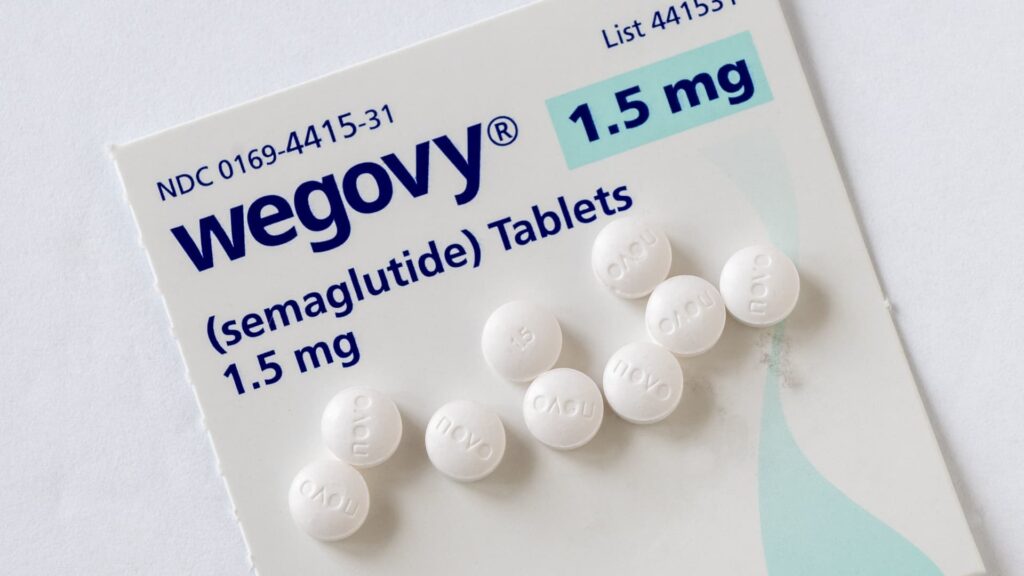
With the rising demand for convenient treatment options, Novo has strategically focused on oral medications. The company’s executive vice president, Hong Chow, stated that the convenience of pills over injections has been a decisive factor in the rapid uptake of its Wegovy pill—a treatment designed to aid weight loss. The recognition that a significant number of patients prefer oral medications suggests that transforming treatment delivery could be paramount to Novo’s strategy moving forward.
Novo plans to scale up production capabilities to reach ten times as many patients living with obesity by 2030, specifically focusing on oral weight-loss therapies. Additionally, the development of four additional oral obesity assets is underway, signaling the company’s commitment to capitalizing on the growing trend and patient demand for more user-friendly treatment options. As patient preferences evolve, Novo aims to stay ahead of the competition by enhancing accessibility and convenience of its medications.
Analyzing Market Competition and Financial Predictions
As Novo Nordisk strives to solidify its market position, understanding the competitive dynamics becomes crucial. Analysts and financial institutions are closely observing the outcomes of the drug launches, especially how newly developed formulations respond to existing and emerging market demands. This scrutiny extends to the anticipated response from markets outside the U.S. following the introduction of Wegovy pills. Initial reports from the financial sphere, such as those from Citi, suggest a cautious outlook, indicating that these launches will serve as essential testing grounds for Novo’s long-term strategies.
Furthermore, projections appear to reflect a modest growth trajectory leading up to 2030, with Citi predicting mid-single-digit annual growth. Analysts emphasized that the developments unveiled during the Capital Markets Day have not significantly shifted prior forecasts and maintained a neutral outlook on the company’s stock. As Novo endeavors to re-establish investor confidence while navigating an increasingly competitive landscape, monitoring its forthcoming research results and strategic pivots will be vital.
| No. | Key Points |
|---|---|
| 1 | Novo Nordisk’s stock dropped 8% due to investor concerns following its recent Capital Markets Day. |
| 2 | The company plans to launch over five potential blockbuster drugs by 2030 as part of its strategy to diversify beyond diabetes and obesity. |
| 3 | Market analysts express skepticism about whether the company’s diversification strategy will be sufficient given the looming loss of semaglutide exclusivity. |
| 4 | Novo is focusing on oral medication development to cater to patient preferences for convenience over injections. |
| 5 | Financial analysts maintain a cautious outlook for Novo, predicting mid-single-digit growth leading up to 2030 amid growing competition. |
Summary
In summary, Novo Nordisk is currently navigating challenging waters as it attempts to regain investor confidence after a notable stock decline. While the company’s intention to diversify its pharmaceutical portfolio and enhance patient accessibility through oral medications is evident, analysts remain cautious about its ability to compete against rivals effectively in the face of waning exclusivity for its key products. The importance of consistent product pipeline success and investor transparency will be pivotal as Novo strives to solidify and expand its market position.
Frequently Asked Questions
Question: What impact does the loss of exclusivity for semaglutide have on Novo Nordisk?
The loss of exclusivity for semaglutide is expected to significantly impact Novo Nordisk’s market position, as it could allow competitors to launch generic versions of the drug, leading to decreased sales and revenue for the company.
Question: What strategies is Novo Nordisk implementing to remain competitive?
Novo Nordisk is implementing strategies that include launching more than five potential blockbuster drugs by 2030, diversifying its portfolio to include various therapeutic areas, and focusing on the development of oral medications to improve patient accessibility and convenience.
Question: How are analysts viewing the future of Novo Nordisk?
Analysts are currently cautious about the future of Novo Nordisk, expressing skepticism regarding its diversification efforts amid significant competition and predicting modest growth opportunities in the coming years.