
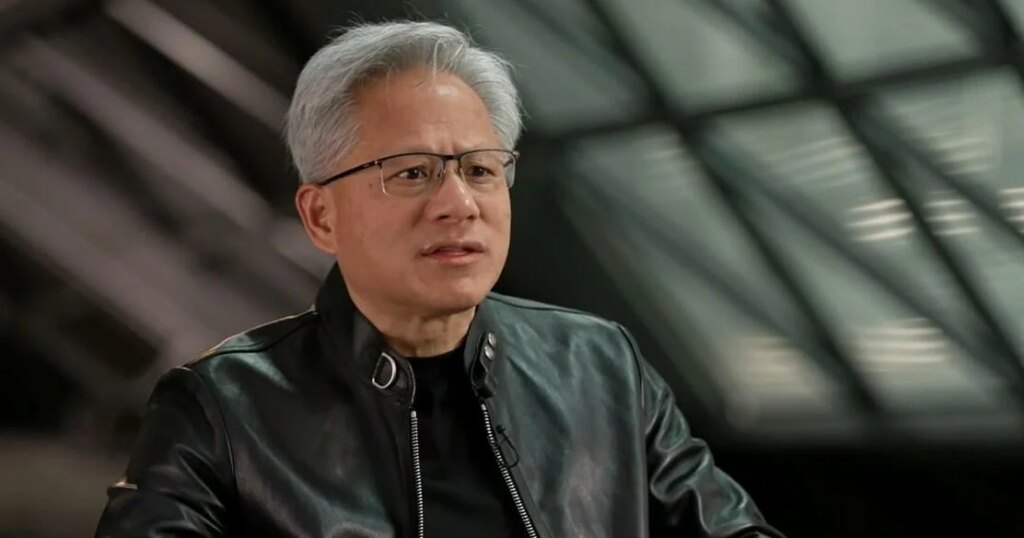
In a recent interview, Jensen Huang, the CEO of Nvidia, the world’s largest chipmaker, emphasized the importance of continuing the rapid advancement of artificial intelligence (AI). His remarks come amid rising concerns from various industry leaders about the unchecked speed of AI development and the potential risks associated. Despite warnings about the need for regulatory measures, Huang insists that progress should not be halted, stressing both efficiency and safety in creating transformative AI technologies.
| Article Subheadings |
|---|
| 1) Huang’s Call for Unchecked AI Advancement |
| 2) Concerns Over AI Development |
| 3) Insights from AI Experts |
| 4) The Role of Government in AI Regulation |
| 5) Potential Future of AI Development |
Huang’s Call for Unchecked AI Advancement
In his interview with a national broadcaster, Jensen Huang articulated a strong position in favor of pursuing AI development vigorously. He stated, “We should go as fast as we can irrespective of anybody else.” This statement reflects a commitment to push forward, irrespective of any hesitations expressed by other entities within the tech community. Huang reiterated that innovations must prioritize safety, ensuring products are thoroughly tested and ready before deployment. Nevertheless, he emphasized the pressing need for America to lead in this technological sphere, as the country’s prosperity is closely tied to these advancements.
Concerns Over AI Development
The dialogue on AI’s future is becoming increasingly polarized. Recently, industry leaders have voiced alarms regarding the rapid pace at which AI technologies are evolving. Many have proposed implementing guidelines and safeguards to address potential risks associated with AI systems. Warnings regarding the unchecked development of AI technologies have come from various sectors, citing ethical concerns and potential threats to humanity. As companies continue to integrate AI into everyday applications, the need for clear regulatory frameworks is becoming more apparent.
Insights from AI Experts
The conversation about AI’s rapid progression has been reignited by researchers within the field. For instance, Jacob Coxon, a former researcher at the AI company Anthropic, publicly resigned over his concerns about the industry’s approach to safety and oversight. He conveyed his fear that the current pace of innovation is reckless and may set the stage for dangerous consequences if left unchecked. In his resignation statement, he urged for immediate intervention to avoid potential threats posed by advanced AI technologies.
Dario Amodei, the CEO of Anthropic, echoed these sentiments, asserting that the industry had long downplayed the risks associated with AI advancements. He remarked that the technology is evolving at an exponential rate, insisting that while there may not be an immediate threat requiring panic, it serves as a critical “warning sign” for all stakeholders involved. The mixed opinions from these industry experts highlight a deepening divide regarding how AI should be managed moving forward.
The Role of Government in AI Regulation
As calls for regulation mount, the government’s role has become a pivotal topic in discussions among tech leaders. While some politicians, particularly within the previous administration, have minimized concerns surrounding AI risks, others recognize the necessity for structured oversight to ensure safety and ethical compliance. The pace of innovation challenges regulatory bodies to keep up, as they must grapple with developing effective measures that allow for continued advancement while safeguarding public interest.
Potential Future of AI Development
Looking ahead, the future trajectory of AI development remains uncertain. The growing calls for moderation clash with Huang’s firm belief in aggressive pursuit. Tech companies face a dual challenge: advancing their technological offerings while addressing a myriad of safety concerns and regulatory expectations. The discussions surrounding AI regulation will likely continue to evolve as companies push boundaries and lobby for clearer guidelines. The overarching theme will involve finding equilibrium between innovation and responsible stewardship of powerful technologies.
| No. | Key Points |
|---|---|
| 1 | CEO of Nvidia, Jensen Huang, advocates for rapid AI innovation despite competing concerns. |
| 2 | Industry leaders raise alarms about the risks involved in the quick evolution of AI technology. |
| 3 | Former AI researcher Jacob Coxon warns of insufficient safety protocols within the industry. |
| 4 | Calls for government regulation escalate as the complexities of AI technology grow. |
| 5 | The balance between technological advancement and safety remains a pressing concern for all stakeholders. |
Summary
The dialogue surrounding AI development is heating up as prominent figures like Jensen Huang advocate for a continued push towards innovation, while warnings about the lack of safety measures create a growing tension. The contrasting perspectives reveal an urgent need for potential regulatory frameworks to navigate these uncharted waters. As AI integrates deeper into society, fostering safe and responsible development will be key to harnessing its benefits.
Frequently Asked Questions
Question: Why is rapid AI development controversial?
Rapid AI development is controversial due to concerns about potential risks it may pose to society, including ethical considerations and safety issues. Critics argue that without proper safeguards, the technology could lead to unintended and potentially harmful outcomes.
Question: What role does government regulation play in AI development?
Government regulation serves to ensure that AI technologies are developed and deployed safely and ethically. Effective policy frameworks can help mitigate risks associated with rapid advancements in technology while balancing the need for innovation.
Question: Who are some of the key voices in the current AI debate?
Key voices include industry leaders such as Jensen Huang of Nvidia and Dario Amodei of Anthropic, alongside former researchers like Jacob Coxon, all of whom contribute differing perspectives on the urgency and safety of AI advancements.