
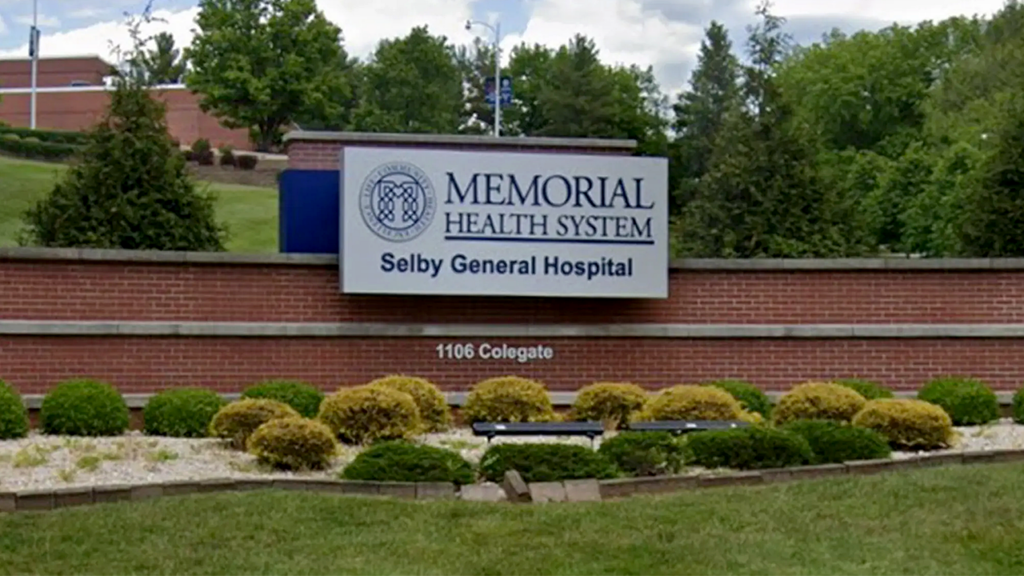
In a troubling case of medical malpractice, an Ohio woman is facing life as a double amputee after her surgeon allegedly removed the wrong leg during a scheduled amputation due to cancer. The incident took place at Selby General Hospital in Marietta on September 19, 2025. Now, the woman, identified as Sharon Jacks, is suing the hospital and the surgical team for what her attorney describes as a “complete failure of basic safety procedures.” The case raises serious concerns about surgical protocols and patient safety in medical settings.
| Article Subheadings |
|---|
| 1) Details of the Incident |
| 2) Legal Action and Allegations |
| 3) Hospital Response and Accountability |
| 4) Significance of Surgical Protocols |
| 5) Moving Forward: Implications for Patient Safety |
Details of the Incident
On September 19, 2025, Sharon Jacks entered Selby General Hospital for a below-the-knee amputation of her right leg, which was necessitated by cancer. However, upon waking from anesthesia, she discovered that her left leg had been amputated instead. The shocking revelation has left Jacks with no legs, significantly impacting her life and mobility.
According to the lawsuit, Brad Layne, Jacks’ attorney, underscores the gravity of the situation, asserting, “She went into surgery, and when she woke up, the wrong leg had been taken off. It defies explanation, obviously.” This harrowing event has profoundly altered Jacks’ life, eliminating her ability to walk and independent mobility.
The hospital has acknowledged that an “adverse surgical event” took place, asserting the incident was avoidable. The fact that Jacks had the correct leg marked for surgery adds another layer of complexity and raises questions about how such a severe error could occur.
Legal Action and Allegations
In the wake of this catastrophic error, Sharon Jacks has filed a lawsuit against Selby General Hospital, the surgeon, and other members of the surgical team. The lawsuit claims a “complete failure of basic safety procedures,” demanding accountability and justice for Jacks. The attorney states that multiple medical professionals share responsibility for this catastrophic mistake, reflecting a systemic oversight in patient care.
The complaint details that prior to the surgery, the medical team performed two surgical “time-outs,” a protocol intended to ensure all parties are operating on the correct site. Despite these measures, it appears the surgical team failed to verify the leg that should have been amputated. “The records say that happened twice, but somehow Ms. Jacks is missing a leg that should not have been removed,” Layne stated.
The lawsuit seeks both compensatory and punitive damages for Jacks, including coverage for future medical expenses, emotional distress, and loss of enjoyment in life. It highlights the necessity for broader discussions about surgical safety and the legal ramifications resulting from such egregious errors.
Hospital Response and Accountability
Following the incident, Selby General Hospital issued a statement acknowledging the error and confirming that the surgical team responded immediately to address Jacks’ medical needs post-operation. However, they emphasized that the expected operating room procedures were not followed. The hospital stated, “Those involved were held accountable for their actions and are no longer in their positions,” indicating a firm stance on accountability within their staffing and surgical practices.
In follow-up statements, the hospital expressed its sadness over the incident, reiterating its commitment to patient safety. They reported having cooperated fully with an investigation by the Ohio Department of Health, which concluded that their surgical protocols remain “safe and effective.” The facility highlights that corrective measures have been implemented to ensure such an error does not recur, demonstrating a response aimed at restoring public confidence in the hospital’s safety practices.
Significance of Surgical Protocols
The incident raises critical concerns about the importance of surgical protocols, often termed “never events” in the medical field. These events refer to serious, preventable errors, including surgeries performed on the wrong body part or patient. In this case, Jacks’ situation exemplifies the dire consequences of not adhering to established surgical safety standards.
Surgical safety protocols are grounded in a comprehensive approach to prevent errors, including clear communication and verification processes among all health personnel. The case exemplifies why these systems are vital—”Every person in that operating room is responsible to make sure that verification is upheld before moving forward,” stated Layne.
These safety protocols are essential not just to mitigate legal risks but also to safeguard patient well-being and trust in medical institutions. As Jacks’ attorney eloquently expressed, such errors should be impossible, not only in medicine but in any healthcare setting, emphasizing the need for vigilance.
Moving Forward: Implications for Patient Safety
In the aftermath of the incident, the implications stretch beyond Sharon Jacks to the broader context of patient safety within the healthcare system. The public outcry surrounding her situation underscores the necessity for reviews of surgical protocols at medical facilities nationwide, prompting potential legislative or regulatory changes aimed at enhancing safety standards.
This case highlights the importance of transparent communication between patients and medical professionals regarding procedural risks. Patients must be assured that stringent measures are in place to protect them at every stage of treatment, especially during procedures involving significant risk, like surgery.
In addition, hospitals may need to increase training for surgical teams on accountability and verification processes to avoid such egregious mistakes in the future. As healthcare evolves, incorporating more robust safety measures should be paramount to restore and maintain public trust.
| No. | Key Points |
|---|---|
| 1 | An Ohio woman, Sharon Jacks, is suing after her surgeon amputated the wrong leg. |
| 2 | The incident occurred at Selby General Hospital on September 19, 2025, due to alleged negligence. |
| 3 | The lawsuit names the hospital, the surgeon, and the surgical team, claiming failure of safety procedures. |
| 4 | The hospital confirmed an “adverse surgical event” and stated corrective measures have been implemented. |
| 5 | The case poses larger questions about surgical accountability and the necessity for rigorous safety protocols. |
Summary
The traumatic experience of Sharon Jacks serves as a sobering reminder of the critical nature of surgical safety and the potentially devastating consequences of medical errors. As her lawsuit underscores, accountability and adherence to established protocols are not just legal requirements but moral imperatives within healthcare. The ongoing discussions about this case could lead to substantial changes in surgical practices, ultimately benefitting patient safety across the medical landscape.
Frequently Asked Questions
Question: What was the original surgery intended for in the case of Sharon Jacks?
The original surgery was a below-the-knee amputation of her right leg due to cancer.
Question: What are surgical “time-outs”?
Surgical “time-outs” are protocols conducted before procedures to verify the patient’s identity, the planned surgery, and the correct surgical site.
Question: What are “never events” in healthcare?
“Never events” are serious, preventable errors in healthcare, such as mistakenly operating on the wrong body part or patient, which are deemed unacceptable in the medical field.