
Recent developments in the Middle East have brought significant tensions to the forefront, especially concerning Iran, Saudi Arabia, and their respective allies. The ongoing war and its implications have resulted in notable expenses for the U.S. Defense Department, with reports indicating a staggering $33.4 billion spent in the first four months of the conflict. The escalation of attacks by Iranian-backed forces, particularly in Yemen, has resulted in a detrimental impact on oil prices and regional security. These events have unfolded against the backdrop of diplomatic interactions between key leaders, highlighting the complexities and stakes in the region.
| Article Subheadings |
|---|
| 1) Financial Burden of the Conflict for the U.S. |
| 2) Diplomatic Movements Amid Escalating Violence |
| 3) Iran’s Strategy and Tactics in Yemen |
| 4) Impact on Global Oil Prices and Trade |
| 5) Broader Implications for Middle Eastern Relations |
Financial Burden of the Conflict for the U.S.
The Defense Department has faced mounting financial repercussions due to the ongoing war, as highlighted by a recent report from the inspector general’s office. The report cites that as of June 29, the war had led to an expenditure of approximately $33.4 billion. This figure encompasses $22.3 billion allocated for expended munitions, $3.7 billion for equipment losses, and an additional $7.4 billion in incremental costs associated with the military’s daily operations. These figures starkly illustrate the extensive financial toll the conflict imposes on the U.S. military budget.
Furthermore, the report indicates these costs do not cover repair expenses for U.S. bases that sustained damage due to Iranian counterstrikes in various countries, including Kuwait, Bahrain, Qatar, and Saudi Arabia. The extensive nature of these financial costs raises concerns regarding the sustainability of military spending in the wake of continuous operational demands. Officials have warned that the expended munitions have led to inventory shortfalls and revealed significant bottlenecks within the U.S. industrial base responsible for munitions resupply.
Diplomatic Movements Amid Escalating Violence
Amid the rising violence between Iranian-backed Houthi rebels and Saudi-led forces, diplomatic efforts are being made to navigate the tense climate. On Tuesday, Egyptian President Abdel Fattah al-Sisi is scheduled to welcome Saudi Crown Prince Mohammed bin Salman for discussions focused on regional stability. The backdrop for this meeting includes recent Houthi advancements, particularly their capture of significant areas along Yemen’s Red Sea coast, which is critical for oil transportation.
The bilateral meeting aims to reinforce ties between Egypt and Saudi Arabia, particularly responding to regional security challenges posed by the Houthis and their Iranian support. This dynamic illustrates the necessity for heightened communication and coordination among regional powers in light of the intensified conflict. However, Egypt has recently rejected an overture from the Houthis for direct discussions related to maritime security, indicating a cautious approach to engaging with groups that are not recognized as legitimate authorities in Yemen.
Iran’s Strategy and Tactics in Yemen
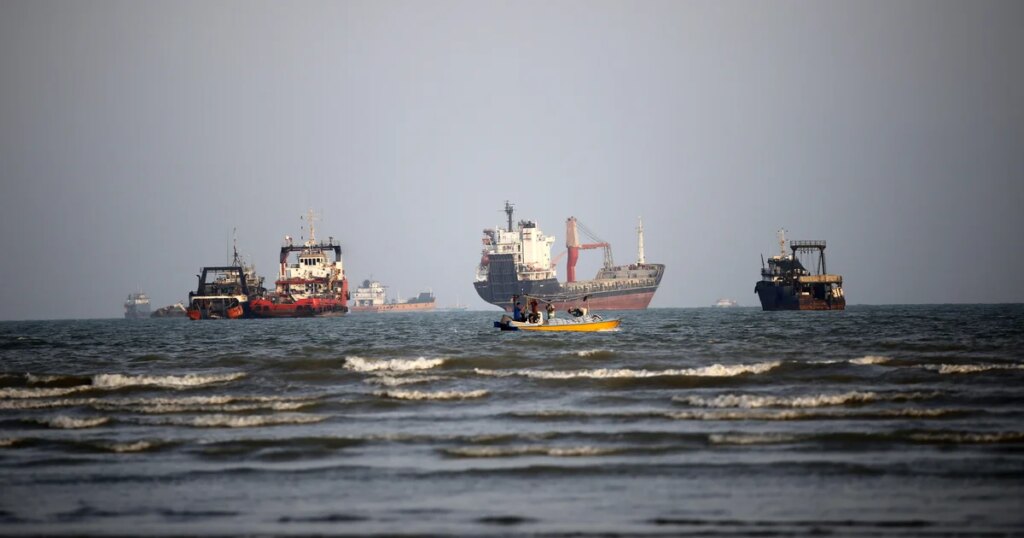
The ongoing conflict in Yemen continues to evolve as the Iranian-backed Houthis have made significant territorial gains, particularly around the Bab el-Mandeb Strait. Recent reports indicate that the Houthis have captured critical territories, further reinforcing their control over vital shipping lanes that are crucial for Saudi oil exports. This has led to heightened military engagement between Houthi forces and Yemeni government troops, with the Houthis employing both conventional and guerilla warfare tactics to consolidate their power.
In their recent offensives, the Houthis have not only taken control of land but have expanded their influence over strategically significant coastal regions. Their operations directly impact the global supply of oil by posing threats to maritime traffic in and out of these important waterways. The urgency for Saudi Arabia and its allies to combat these gains elevates the risk of further escalations, which could spiral out of control and have far-reaching implications for regional stability.
Impact on Global Oil Prices and Trade
The intersection of military conflict and oil production in the Middle East has created an environment of uncertainty and volatility in global oil markets. Reports indicate that the ongoing violence, particularly the Houthis’ attacks and the tension surrounding the Strait of Hormuz, have pushed crude oil prices to their highest levels in months. The Brent crude price surged up to $107.94 per barrel amid concerns that conflicts might impede Saudi oil exports, leading to global supply shortages.
Furthermore, as the situation continues to evolve, oil prices are anticipated to remain influenced by the dynamics of the conflict and shifted military strategies from both the U.S. and allied nations. Experts forewarned that should the situation in Yemen escalate further, significant disruptions to the oil supply chain could occur, compounding economic pressures on nations reliant on Middle Eastern oil.
Broader Implications for Middle Eastern Relations
The conflict in Yemen and the subsequent ramifications on regional politics have underscored the fragile balance of power in the Middle East. The ongoing tensions have prompted urgent dialogues between states seeking to navigate the complexities of emerging threats from Iranian proxies. Diplomatic relations between Iran and other nations, including the United Arab Emirates, have come under scrutiny as both sides seek to re-establish a semblance of working relations amidst the turmoil.
Additionally, the postponement of discussions on the Strait of Hormuz illustrates the greater geopolitical stakes at play, as regions attempt to assert their interests in a landscape rapidly altered by conflict. As Saudi Arabia and Iran continue to vie for influence in the region, it becomes clear that the outcomes from these conflicts will not only shape local dynamics but will also impact international relations and economic stability across the globe.
| No. | Key Points |
|---|---|
| 1 | The U.S. Department of Defense has reported spending $33.4 billion due to the ongoing conflict with Iran, highlighting extensive financial burdens. |
| 2 | Diplomatic efforts are intensifying amidst the conflict, with leaders like Egyptian President Abdel Fattah al-Sisi and Saudi Crown Prince Mohammed bin Salman seeking to bolster regional ties. |
| 3 | The Iranian-backed Houthi rebels have gained significant ground in Yemen, controlling vital shipping routes and affecting global oil supply chains. |
| 4 | Oil prices are experiencing volatility due to the increased tensions in the region, driving prices toward four-month highs. |
| 5 | Regional relations are becoming increasingly complex as nations respond to escalating security threats posed by Iran and its proxies. |
Summary
The situation in the Middle East, particularly related to the conflict involving Iran and its proxies, has resulted in significant military and economic consequences on a global scale. The mounting costs for the U.S. military, alongside the escalation of Houthi control in Yemen, are compelling regional powers to engage in critical dialogue to address these challenges. As tensions persistently heighten, the impacts reverberate through global oil markets and diplomatic relations, setting the stage for an uncertain and potentially volatile future in the region.
Frequently Asked Questions
Question: What factors have contributed to the U.S. military’s increased spending in the Iran conflict?
The U.S. military’s increased spending can be attributed to the costs of munitions expended in combat, losses of equipment, and the costs associated with daily military operations in response to the ongoing conflict.
Question: How have the Houthis influenced regional security dynamics?
The Houthis have influenced regional security by capturing strategic territories and conducting military operations that threaten shipping lanes critical to oil trade, thereby impacting global fuel supplies and prices.
Question: What are the implications of rising oil prices for global economies?
Rising oil prices can lead to increased costs for consumers and businesses, affecting global economic stability, especially in oil-dependent countries. Additionally, high oil prices can contribute to inflationary pressures in various economies.