
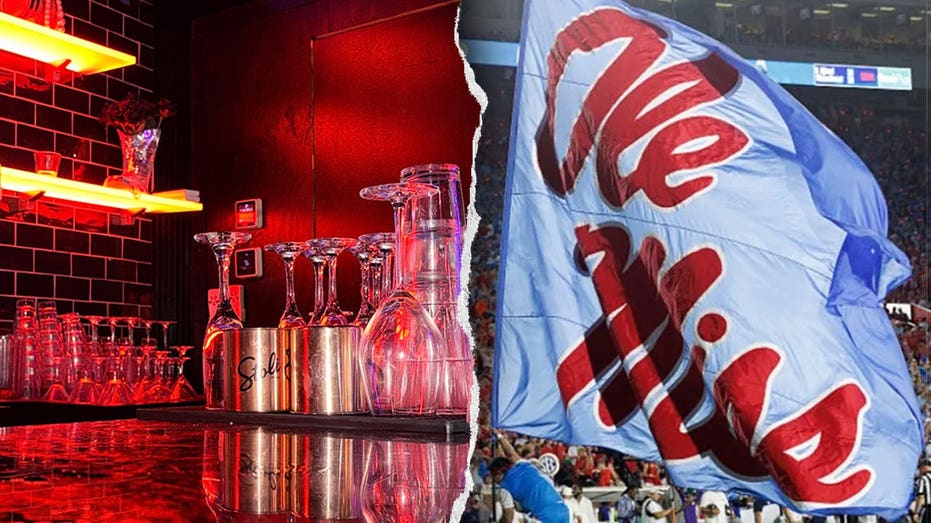
Students, bartenders and security workers in Oxford, Mississippi, describe a persistent culture of underage drinking around the University of Mississippi. More than 30 people interviewed for the report said fake IDs, ID sharing and 18-plus venues are used to bypass age restrictions. City officials acknowledged that the concerns are supported by enforcement data, including hundreds of confiscated false identification cards and alcohol violations. Separate student allegations also raised concerns about cocaine use at fraternity houses and parties.
The accounts focus largely on The Square, Oxford’s concentrated nightlife district about a mile from the Ole Miss campus. Officials said the city takes underage drinking, fraudulent identification, illegal drugs and broader student safety concerns seriously.
| 1) | Underage drinking is widely reported around The Square |
|---|---|
| 2) | Fake IDs and ID sharing challenge venue security |
| 3) | Students and workers raise concerns beyond bars |
| 4) | Oxford police data documents enforcement activity |
| 5) | Officials and venues face pressure to improve safety |
Underage drinking is widely reported around The Square
Ole Miss students and Oxford nightlife workers said underage drinking is common rather than isolated. The accounts came from interviews conducted in Oxford ahead of and during the 2026 fall semester, with participants describing a range of venues serving different age groups. A local bartender who has worked in Oxford nightlife for nearly seven years said the problem is widespread.
“It’s rampant for sure,” said Reagan Fiser, describing the number of underage students entering bars around The Square.
One sophomore said access to a fake ID often depends on word-of-mouth connections and claimed the practice reaches students across campus. A freshman said the venue students choose can depend on their year in school. Workers also described 18-plus venues as especially attractive to younger patrons, while some businesses are viewed as primarily serving upperclassmen.
Fake IDs and ID sharing challenge venue security
Workers said crowded lines and high-volume nightlife can make it difficult to distinguish minors from legally eligible patrons. Some venues identify minors with stamps and customers older than 21 with wristbands, but interviewees said those systems can be undermined when people share identification or use altered documents.
Fiser said she had heard of patrons passing the same fake ID from one person to another in line. Bouncer Haj Bah described stopping three underage patrons on a Friday evening, including two people allegedly sharing an ID. He said security denied entry to the people involved and removed the person who passed the identification.
“Giving that fake ID is the same as a bartender giving alcohol to the child. In my eyes, that is the same thing,” Bah said.
Freshman Drew Ferra said bars can be strict but argued that businesses may not be fully responsible when a customer presents a convincing fake document. Fiser also praised some established venues for training bouncers to identify suspicious IDs.
Students and workers raise concerns beyond bars
The concerns described by interviewees extend from The Square into campus Greek life. Three students, speaking anonymously, said they had witnessed cocaine use at fraternity houses and parties. A bartender separately said drug activity at fraternity houses can carry into the late-night bar scene.
The allegations were accounts from individual interviewees and were not attributed to named students. They formed part of broader concerns about alcohol, illegal drugs, drink tampering and student safety raised during the reporting. City officials said those issues require evaluation based on reported incidents, investigations, enforcement activity and available evidence.
Oxford police data documents enforcement activity
Oxford Mayor Robyn Tannehill and Police Chief Jeff McCutchen responded to the concerns in a joint statement. Police data for the calendar-year reporting period recorded approximately 2,800 checks of restaurants and alcohol establishments, along with 759 confiscated false identification cards.
The same period included 673 public intoxication arrests, 378 alcohol-possession-by-a-minor violations, 98 fake-ID citations, 43 open-container violations and 38 violations for furnishing beer or wine to a minor. Police also issued 10 violations to establishments for breaches of Oxford’s alcohol ordinance.
“We are not suggesting that underage drinking, fake identification, illegal drugs or other safety concerns do not exist in Oxford. Our own enforcement numbers demonstrate that these challenges are real,” Tannehill and McCutchen said in their joint statement.
Officials and venues face pressure to improve safety
The city said it takes the safety of students, residents and visitors seriously and is responding to concerns through inspections, investigations and enforcement. Venue workers said effective prevention depends on consistent ID checks, trained security staff and attention to crowded entry lines.
The accounts also place responsibility on patrons, businesses, university-connected organizations and local authorities. While some students described fake IDs as easy to obtain, others acknowledged that using them is unlawful and can create risks for venues and the wider community. The available data shows sustained enforcement, while the interviews indicate that nightlife workers continue to confront the problem at the point of entry.
| Number | Key Point |
|---|---|
| 1 | Students and workers described underage drinking as widespread around The Square. |
| 2 | Interviewees cited fake IDs, ID sharing and 18-plus venues as routes around age restrictions. |
| 3 | Anonymous students alleged cocaine use at some fraternity houses and parties. |
| 4 | Police reported 759 false IDs confiscated and 378 minor-possession violations. |
| 5 | City officials said enforcement and safety concerns remain ongoing priorities. |
Summary
Accounts from Ole Miss students and Oxford nightlife employees point to persistent underage drinking and fake-ID activity around The Square. Oxford’s enforcement figures confirm substantial activity involving false identification, minor alcohol possession and public intoxication. Officials, businesses and campus communities face continuing pressure to strengthen prevention, enforcement and safety measures.
Frequently Asked Questions
Where is the reported activity concentrated?
The accounts focus on The Square in Oxford, Mississippi, a nightlife district about a mile from the University of Mississippi campus.
What enforcement figures did Oxford report?
For the calendar-year reporting period, police reported 759 confiscated false identification cards, 98 fake-ID citations and 378 alcohol-possession-by-a-minor violations, among other figures.
What other safety concerns were raised?
Three anonymous students alleged they had witnessed cocaine use at fraternity houses and parties. A bartender separately said drug activity could spill into the late-night bar scene.