
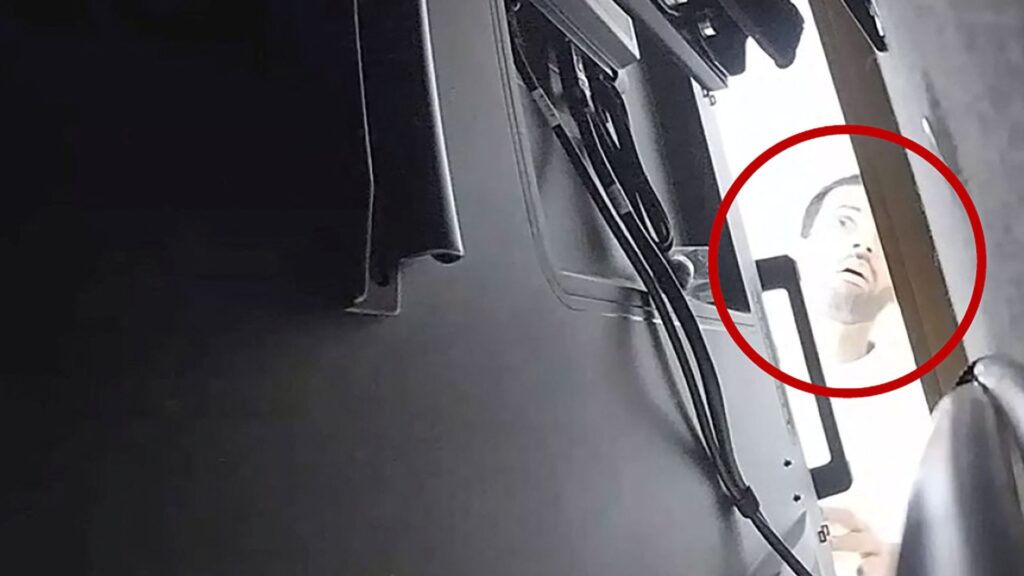
A Saudi national named Abdulrahman Alfozan has been arrested for allegedly attempting to secretly install a recording device in a conference room at OpenAI in San Francisco. Federal prosecutors revealed that Alfozan had booked a one-way ticket to Saudi Arabia shortly before his arrest, raising concerns about potential flight risk. The incident has drawn attention to issues of espionage within the tech sector, especially regarding foreign influence in American technology companies.
| Article Subheadings |
|---|
| 1) Details of the Allegations Against Alfozan |
| 2) Background of Abdulrahman Alfozan |
| 3) OpenAI’s Response and Security Measures |
| 4) Implications of Foreign Influence in Technology |
| 5) Legal Considerations and Future Proceedings |
Details of the Allegations Against Alfozan
The criminal charges against Abdulrahman Alfozan were made public following federal prosecutors’ filings in a San Francisco court. Alfozan is accused of using a recording device to intercept communications without authorization. These allegations surfaced after OpenAI employees discovered a hidden audio recording device in the conference room, which is typically utilized for confidential meetings concerning sensitive technical and strategic information.
According to court documents, the device was cleverly concealed inside a USB port on a television and was masked with toilet paper. It is alleged that the recording device had advanced features, including a digital microphone and storage for recordings. Surveillance footage purportedly captured Alfozan near the conference room multiple times in September, suggesting premeditative conduct.
Prosecutors further indicated that once the device was discovered, OpenAI installed surveillance measures within the room to bolster security. They cited the recording of sensitive discussions as a serious concern, given the prevalence of trade secrets in the tech industry and the ongoing efforts of international actors to gain advantageous insights.
Background of Abdulrahman Alfozan
At 35 years old, Alfozan holds a significant position as a venture partner at Raed Ventures, a Saudi Arabian investment firm reportedly associated with members of the Saudi royal family. His LinkedIn profile and confirmations from the firm indicate that he has an extensive background in technology and engineering, claiming to have been integral to teams focused on AI development.
In addition to his venture capital efforts, Alfozan’s history includes stints at major technology companies in Silicon Valley, and he was employed at OpenAI as an Engineering Lead. His hiring at OpenAI followed a trajectory marked by specialized educational pursuits, including stints at prestigious institutions like the Massachusetts Institute of Technology and the University of California, Berkeley.
A noteworthy point in his career was his direct involvement with Saudi tech influencers, suggesting that he played a key role in bridging connections between the U.S. tech hub and Saudi Arabia’s ambitions to enhance its technological portfolio.
OpenAI’s Response and Security Measures
In the wake of the incident, OpenAI has publicly reinforced its commitment to security, maintaining that they continuously enhance their protective measures against insider threats and other forms of espionage. The organization’s statement elaborated that they took the allegations seriously and are taking steps to further secure sensitive information and communication channels.
OpenAI’s leadership indicated that, as a preventative measure, additional surveillance tools were being employed within high-security areas following the discovery of the recording device. They highlighted that the venture reflects a proactive stance against any future security breaches that could compromise their operational integrity.
Despite the gravity of the situation, OpenAI reported that there have been no indications that any proprietary data, such as model weights, source code, or customer information, has been compromised due to the intrusion. This limitation in the alleged consequences alleviates some pressure from the incident, although concerns about potential espionage remain paramount.
Implications of Foreign Influence in Technology
This case unfolds against a backdrop of rising concerns regarding foreign influence and espionage within the U.S. technology sector, particularly by state-affiliated actors. A former CIA official has characterized Raed Ventures, where Alfozan is employed, as “basically a state organ” of the Saudi government, suggesting that his actions might align with broader efforts toward economic espionage.
The implications are severe, considering the strategic importance of technology companies like OpenAI and their leading role in the field of artificial intelligence. Such actions not only threaten proprietary innovations but also raise national security alarms regarding foreign entities attempting to infiltrate crucial industries to gain economic advantage.
As the world pivots towards technological advancements powered by AI, safeguarding such technologies from foreign threats is imperative for maintaining competitive edges and protecting national interests.
Legal Considerations and Future Proceedings
Legally, Abdulrahman Alfozan faces a charge of using electronic devices to intercept communications, which carries a potential penalty of up to five years in prison and a fine of $250,000 upon conviction, according to the Department of Justice. Notably, he has not been charged with corporate espionage or theft of trade secrets, suggesting that the specific legal ramifications of his actions are still being delineated.
His upcoming detention hearing on October 19 will be pivotal, as his defense attorney aims to secure his release on bond. Legal experts suggest that defending against these charges will hinge on the particulars regarding intent, the nature of the evidence against him, and possible constitutional protections that might mitigate his culpability.
The scrutiny surrounding Alfozan’s actions and affiliations underscores a critical intersection of legal, ethical, and technological considerations in today’s interconnected landscape, which remains fraught with potential conflicts related to international espial activities.
| No. | Key Points |
|---|---|
| 1 | Abdulrahman Alfozan, a Saudi national, is charged with the unauthorized installation of a recording device at OpenAI. |
| 2 | Prosecutors accused Alfozan of premeditative actions leading up to the alleged espionage. |
| 3 | OpenAI is enhancing security measures following the discovery of the recording device. |
| 4 | The case reflects broader concerns over foreign influence within the U.S. technology sector. |
| 5 | Alfozan’s upcoming detention hearing is crucial to determining his legal fate and potential bond release. |
Summary
The arrest of Abdulrahman Alfozan for allegedly attempting to install a recording device at OpenAI raises significant concerns regarding espionage and foreign influence in international technology environments. The case demonstrates the vulnerabilities present within leading technology firms and emphasizes the need for robust security measures. With Alfozan now facing serious legal charges, the unfolding situation will likely contribute to the ongoing discourse on safeguarding sensitive information and protecting national interests amid evolving technological landscapes.
Frequently Asked Questions
Question: What are the specific charges against Abdulrahman Alfozan?
Alfozan is charged with using or attempting to use an electronic, mechanical, or other device to intercept oral communications without authorization.
Question: What penalty does Alfozan face if convicted?
If convicted, Alfozan could potentially face up to five years in prison and a fine of $250,000.
Question: How is OpenAI responding to the incident?
OpenAI has stated that they are enhancing their security protocols following the incident and maintaining that no sensitive data has been compromised as a result of the alleged bugging.