
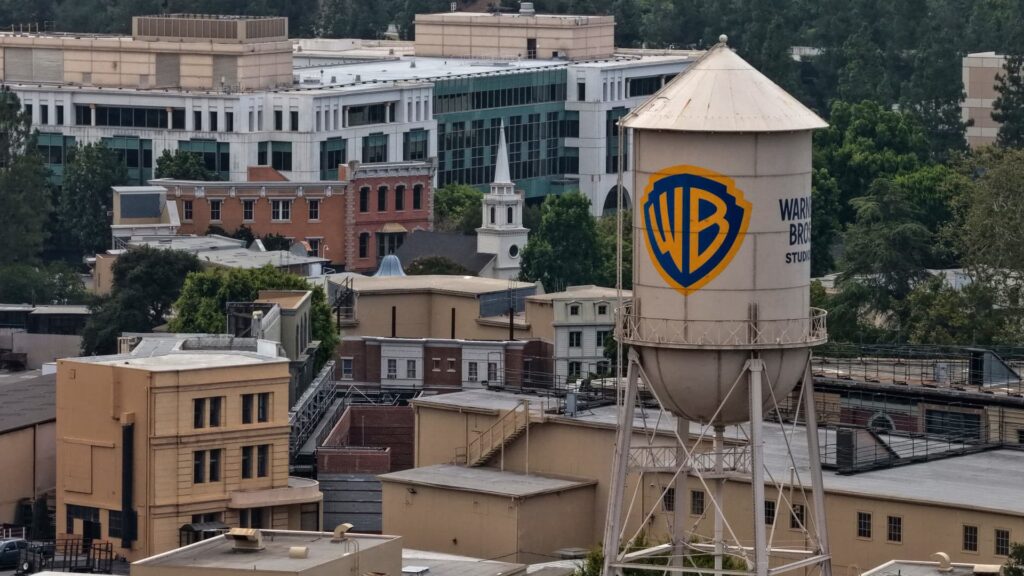
In recent weeks, Warner Bros. Discovery (WBD) has navigated a tumultuous landscape, facing uncertainties surrounding a proposed merger with Paramount. The $110 billion deal has been put on hold due to antitrust concerns raised by a coalition of states, led by California’s Attorney General, Rob Bonta. This situation has cultivated an environment of caution and strategic reevaluation for WBD as it grapples with its future amid a shifting media landscape.
| Article Subheadings |
|---|
| 1) Warner Bros. Discovery’s Strategic Shifts |
| 2) The Implications of the Merger Delays |
| 3) Independent Operations Amid Challenges |
| 4) Competing in the Streaming Space |
| 5) Potential Assets at Stake |
Warner Bros. Discovery’s Strategic Shifts
Warner Bros. Discovery has had to pivot quickly in response to various challenges in conjunction with its proposed merger with Paramount. Only a year ago, the company outlined plans to split its operations into distinct parts—creating a separate entity for film units and another to manage its global TV networks. This restructuring aimed to streamline operations and strengthen its competitive edge. However, things have dramatically changed. With growing apprehensions over the merger, including antitrust challenges posed by several states, WBD finds itself reassessing its position and strategies in a fast-evolving media environment.
The efforts to solidify its brand presence and attract lucrative subscriptions for its HBO Max streaming service were once optimistic endeavors. The company was poised for aggressive expansion into new markets under the leadership of CEO David Zaslav, who emphasized the need to bolster the company’s value in preparation for the merger. Nevertheless, ongoing legal challenges threaten to derail those plans, thereby stalling strategic advancements and contributing to a sense of uncertainty within the company.
The Implications of the Merger Delays
The proposed $110 billion merger with Paramount was anticipated to create a media powerhouse capable of competing with industry giants like Disney and Amazon. As negotiations continue to be stymied by legal entanglements, questions arise regarding the potential benefits of the deal versus its risks. Recent discussions have suggested a compromise, which might include divesting certain assets to satisfy regulatory scrutiny. This possibility indicates a recognition that operating under the current regulatory climate poses significant risks.
Industry analysts warn of the implications if the merger is ultimately abandoned. The sentiment resonates with experts like Tom Rogers, a seasoned figure in media, who noted, “This is as good a deal as Warner Bros. Discovery’s going to get,” highlighting the precarious position facing WBD. If the merger fails, both WBD and Paramount risk being left with standalone streaming services that face adverse competitive pressures. The stakes are high, not only for immediate financial gains but also for long-term strategic positioning in the market.
Independent Operations Amid Challenges
Despite the increasingly complex landscape, WBD is not entirely hamstrung. The merger agreement delineates certain operational capabilities that permit WBD to continue functioning independently while the deal remains pending. Executives have expressed optimism regarding interim arrangements, allowing the company to engage in licensing deals and other partnerships essential for growth. Moreover, the flexibility inherent in their operational mandates might allow WBD to thrive even amidst uncertainty.
WBD continues to be proactive about pursuing content deals, a critical avenue for revenue generation. The company has leveraged its extensive portfolio that includes popular titles from HBO, licensing them to other platforms and navigating partnerships that keep it competitive. Film and television creators remain eager to pitch projects to a company that still holds considerable industry allure, thus aiding WBD’s ability to produce new content and explore innovative distribution strategies.
Competing in the Streaming Space
As the media landscape evolves, WBD is faced with intensifying competition in the streaming sector. Companies are experimenting with various models, including bundling services and integrating content across platforms to create attractive offers for consumers. An example is NBCUniversal’s collaboration with YouTube Premium, a move that demonstrates how converging services can capture wider audiences.
Aware of this competitive dynamic, WBD’s leadership is considering similar models, promoting the bundling of HBO Max with other services. However, WBD’s current uncertainty regarding its service’s future complicates the ability to finalize such arrangements, leading to potential missed opportunities. As competitors continue to innovate, WBD must navigate its next steps cautiously, balancing the groundwork laid for strategic partnerships with the significant uncertainties surrounding its merger with Paramount.
Potential Assets at Stake
The ongoing turbulence has also prompted speculation regarding which assets might be on the negotiating table if WBD faces additional regulatory hurdles. The company boasts valuable divisions that are likely to attract interest from potential buyers, notably its subsidiary, New Line Cinema, known for iconic franchises like The Lord of the Rings and Mortal Kombat. The potential sale of popular channels such as TNT and TBS adds to the list of valuable resources that may come under scrutiny as Paramount works to secure the merger.
Furthermore, antitrust concerns remain a significant barrier. The steps being taken by California’s officials illustrate the intricate regulatory challenges WBD may face. If a settlement is reached over the antitrust case, structural remedies may be imposed that could prompt WBD to divest significant portfolio assets in both pay television and film production. The impending uncertainty regarding both the future of the merger and the company’s assets will add pressure to executives who are ready to navigate through a complicated landscape.
| No. | Key Points |
|---|---|
| 1 | Warner Bros. Discovery is contending with strategic uncertainties due to a stalled merger with Paramount. |
| 2 | Legal challenges, particularly antitrust concerns, are complicating the potential merger. |
| 3 | WBD continues to operate independently but must navigate cautious strategies amid merger delays. |
| 4 | Competition in the streaming market intensifies with new models emerging from rival companies. |
| 5 | Potential asset sales could be imperative for WBD if regulatory pressures mount. |
Summary
In conclusion, Warner Bros. Discovery finds itself at a crossroads influenced by the ever-changing media landscape and the complexities surrounding its merger with Paramount. As it navigates legal challenges and operational uncertainties, the company must strategize carefully to safeguard its future. The decisions made in the coming months will significantly shape WBD’s trajectory within the competitive landscape of media and entertainment.
Frequently Asked Questions
Question: What are the reasons behind the antitrust concerns surrounding the merger?
The merger has raised concerns about reduced competition in the media industry, potentially leading to higher prices and fewer choices for consumers.
Question: How is Warner Bros. Discovery continuing operations amidst merger uncertainty?
WBD is still able to operate independently under interim agreements, allowing for the pursuit of licensing deals and maintaining strategic partnerships.
Question: What assets might WBD consider divesting to appease regulators?
Potential assets that may be divested include popular networks like TNT and TBS, as well as its film subsidiary, New Line Cinema, known for its blockbuster franchises.