
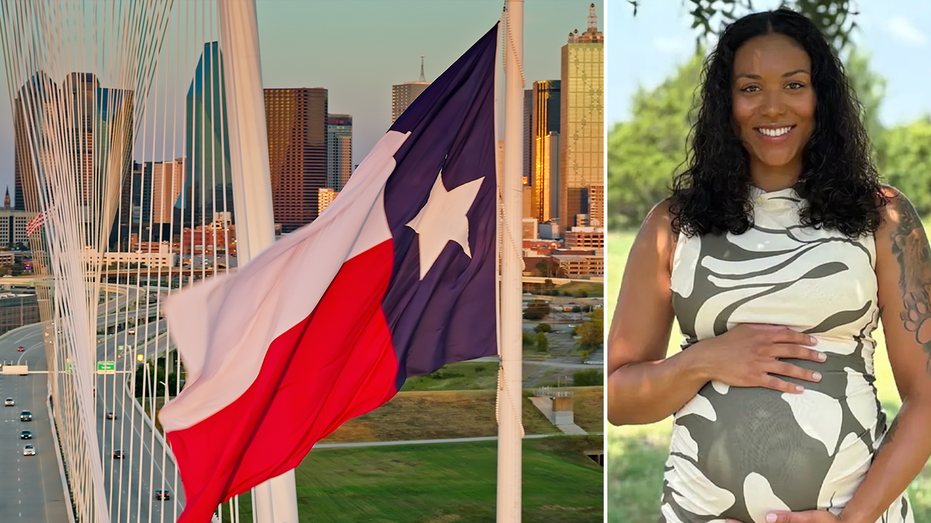
The biological parents of a baby born after a surrogate refused their request for an abortion are seeking more than $100,000 in a countersuit. Nausheen Gilkar and Omar Ahmed allege that McKenna West breached their surrogacy agreement and caused emotional distress. The dispute followed a fetal diagnosis of hypoplastic left heart syndrome and has involved legal proceedings in Alaska, California and Texas. The baby was born in Texas on August 12 and has undergone his first major heart surgery.
West denies wrongdoing and is asking the court to dismiss the counterclaims. The parents dispute allegations that they threatened or forced her to terminate the pregnancy, while their attorneys say she initially agreed to an abortion before changing her mind. A Texas court and state and federal officials became involved in ensuring the child received medically necessary treatment.
| 1) | Parents’ countersuit seeks more than $100,000 |
| 2) | Heart diagnosis triggered the pregnancy dispute |
| 3) | Birth and surgery occurred under court scrutiny |
| 4) | Officials intervened to protect medical treatment |
| 5) | Parental rights and custody proceedings remain unresolved |
Parents’ countersuit seeks more than $100,000
Nausheen Gilkar and Omar Ahmed filed counterclaims against surrogate McKenna West weeks before she gave birth in Texas. The couple alleges that West breached the surrogacy agreement by refusing to terminate the pregnancy and seeks more than $100,000, along with unspecified damages for what the filing describes as malicious and outrageous conduct.
The parents say they paid West $60,000 during the pregnancy under an agreement that included provisions addressing termination. Their claims also allege emotional distress. West denies wrongdoing and has asked the court to dismiss the counterclaims, leaving the contractual and financial issues for the Texas case to address.
Heart diagnosis triggered the pregnancy dispute
The fetus was diagnosed at about 20 weeks with hypoplastic left heart syndrome, or HLHS, a serious congenital condition affecting development of the heart’s left side. After the diagnosis, the parents allegedly asked West to end the pregnancy. The parents dispute claims that they threatened or attempted to force her to obtain an abortion.
According to an account from the parents’ attorneys, West initially agreed to terminate the pregnancy and made an appointment before changing her mind. West refused to proceed and later traveled to Texas, where she gave birth. The disagreement has become both a contract dispute and a broader conflict over medical decision-making and parental rights.
“The parents ultimately authorized the heart surgery, and their attorney has said they are focused on their son’s recovery.”
Birth and surgery occurred under court scrutiny
West gave birth to the baby on August 12 in Texas. She refers to the child as “Gabriel,” while the biological parents call him “Rumi.” The infant underwent a Norwood procedure, the first of three surgeries commonly required for some children with HLHS. His attorney described the condition as critical and complex.
The medical situation added urgency to the legal proceedings because treatment could not safely be delayed. The parents’ authorization of the operation allowed the medical team to proceed, while the courts continued to consider the competing claims surrounding the child’s care and custody.
Officials intervened to protect medical treatment
Texas Attorney General Ken Paxton obtained an emergency court order before the birth requiring that medically necessary care not be delayed or obstructed. His office notified two Dallas hospitals of their obligations to provide life-saving treatment.
The federal Department of Health and Human Services’ Office for Civil Rights later notified the hospitals of their responsibilities under federal disability law, including prohibitions on discrimination in medical treatment because of a patient’s disability. The intervention reflected the seriousness of the diagnosis and the potential consequences of postponing surgery.
Parental rights and custody proceedings remain unresolved
The dispute has involved proceedings in Alaska, California and Texas. The biological parents have prevailed in key parental proceedings, while West continues to seek parental rights in Texas. Their attorney, Lee Budner, has described West’s continuing custody claims as baseless and alleged that they conflict with court orders in Alaska and California.
A hearing in the Dallas County case is scheduled for August 25. The outcome could determine how the Texas court handles West’s parental-rights claims, the parents’ counterclaims and the broader questions raised by the surrogacy agreement. A representative for a pro-life organization supporting West has criticized the lawsuit, while the parents maintain that their position has been mischaracterized.
| Number | Key Point |
|---|---|
| 1 | The biological parents seek more than $100,000 in damages. |
| 2 | The fetus was diagnosed with hypoplastic left heart syndrome at about 20 weeks. |
| 3 | The baby was born in Texas on August 12 and underwent a Norwood procedure. |
| 4 | State and federal officials addressed the child’s access to medical care. |
| 5 | A Texas hearing on parental rights is scheduled for August 25. |
Summary
The case combines a contested surrogacy agreement, a serious fetal heart diagnosis and unresolved custody claims. The parents seek financial damages, while West challenges the allegations and continues pursuing parental rights. The baby’s treatment has proceeded under court protection, but the legal dispute remains active ahead of the scheduled Texas hearing.
Frequently Asked Questions
Why are the biological parents suing the surrogate?
They allege that West breached the surrogacy agreement by refusing to terminate the pregnancy after the baby was diagnosed with HLHS. They seek more than $100,000 and additional unspecified damages.
What medical condition was diagnosed?
The baby was diagnosed with hypoplastic left heart syndrome, a severe congenital heart defect. He underwent a Norwood procedure after his birth in Texas.
What happens next in the case?
West is asking the court to dismiss the counterclaims and continues to seek parental rights in Texas. A Dallas County hearing is scheduled for August 25.