
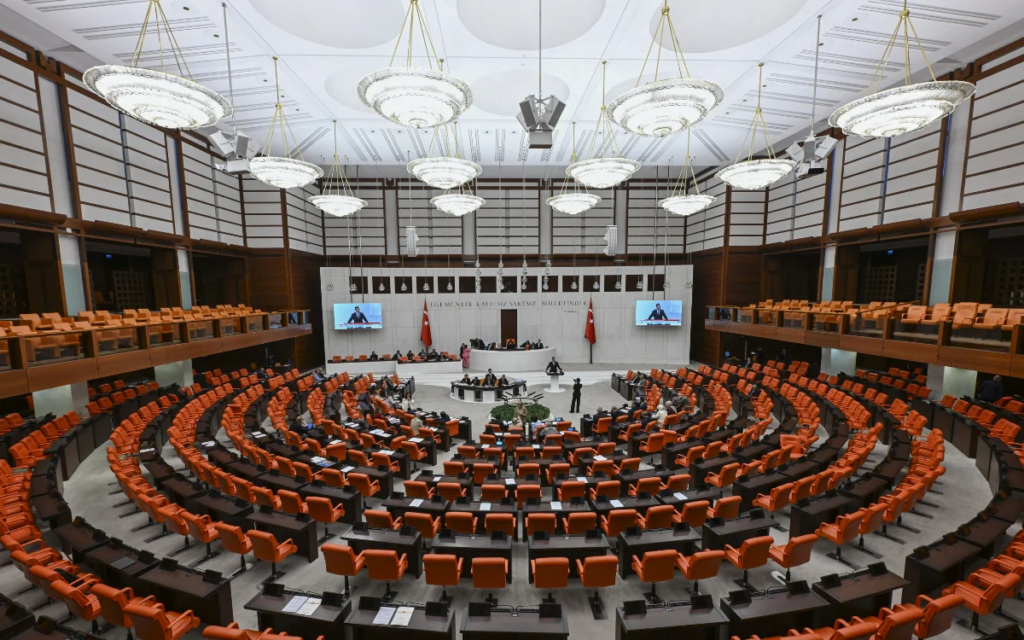
In a significant move towards fostering peace, the Turkish parliament has commenced discussions on a new legislative proposal concerning the Kurdish peace process. Nearly two years after the initial peace initiative was launched, key political parties are weighing in, with some supporting the proposal and others expressing skepticism or outright opposition. This proposal focuses primarily on the status of the PKK (Kurdistan Workers’ Party) and its implications for the future of national unity and regional stability.
| Article Subheadings |
|---|
| 1) Political Consensus Among Ruling Parties |
| 2) The Role of the MHP in the Peace Process |
| 3) Perspectives of Opposition Parties |
| 4) Messages from Imprisoned Kurdish Politicians |
| 5) Historical Context of the Peace Efforts |
Political Consensus Among Ruling Parties
The ruling Justice and Development Party (AKP) and its coalition partner, the Nationalist Movement Party (MHP), have shown strong support for the peace proposal. According to Abdülhamit Gül, deputy chair of the AKP parliamentary group, maintaining a united front among the Turkish populace is considered vital after decades of conflict involving terrorism. He emphasized that the country has endured numerous challenges in the past 50 years but remains resilient through a collective national identity.
Gül articulated that the struggle against terrorism has shaped the contemporary landscape of Turkey, further asserting that the aim of this proposal is to “usher in a new dawn” for the country. He pointed out the shared history and culture between Turks and Kurds, suggesting that this common heritage could serve as a foundation for peace. The sentiment reflected in his comments suggests that there is a strategic consensus within the ruling parties about the necessity of this legislative step, marking it as a pivotal moment in Turkish politics.
The Role of the MHP in the Peace Process
MHP Deputy Chair Feti Yıldız characterized the ongoing peace process as a comprehensive state policy rather than a mere amnesty. He asserted that it should encompass a framework of law, social cohesion, and economic development, all intertwined with the survival of the state. Yıldız closely linked the success of the proposal to the potential for peace and tranquility, suggesting that such an environment would lead to greater democracy and freedom.
Furthermore, Yıldız contended that Turkey’s geopolitical position adds layers of complexity to its security considerations, amplifying the need for stability not only within Turkey but across the region. His call for unity among disparate political factions to achieve a common national goal appears to underscore a growing awareness of shared responsibilities among leaders. By presenting the peace initiative as a collective national effort, the MHP aims to solidify a broader agenda encouraging dialogue and coexistence.
Perspectives of Opposition Parties
While the ruling parties are keen on supporting the peace bill, some opposition factions remain skeptical. The New Party, led by Özgür Özel, has criticized the proposal for being too focused on the PKK and lacking provisions pertinent to the rights of Kurdish citizens. Despite their reservations, Özel stated that the leadership would not allow their frustration with the government to obstruct the peace process, underlining the complexity of navigating both party loyalty and the hopes of their constituents.
Additionally, the pro-Kurdish Peoples’ Equality and Democracy (DEM) Party indicated that while they recognize the importance of the current proposal, it is indeed fraught with shortcomings. Tuncer Bakırhan, Co-Chair of the DEM Party, has called for greater accountability in how the legislation is implemented, advocating for a more comprehensive dialogue that addresses all facets of the Kurdish issue. Their critique highlights the necessity for ongoing negotiations and reforms to ensure that the peace process is inclusive and effective.
Messages from Imprisoned Kurdish Politicians
Notable commentary has emerged from imprisoned Kurdish figures, adding another layer to the national discourse. Selahattin Demirtaş, a prominent Kurdish leader imprisoned since 2016, shared a message advocating for the importance of community in navigating the path forward. He emphasized that the peace effort is a critical step that could change the country’s trajectory profoundly.
These messages stress the importance of constructive criticism, highlighting the need for all sectors of society to engage with the peace process seriously. The voices from prison reiterate that the road to peace should not only focus on political negotiations but also address wounds inflicted over years of strife. The acknowledgment of shared pain is crucial for building a future rooted in trust and cooperation.
Historical Context of the Peace Efforts
This emerging peace process did not originate in isolation; its roots can be traced back to significant political maneuvers made over the last two years. The groundwork for this legislative proposal most notably began in October 2024 when Devlet Bahçeli, leader of the MHP, proposed granting imprisoned PKK leader Abdullah Öcalan the “right to hope,” framing it as a prerequisite for dissolving the militant group.
After Öcalan called for disarmament in February 2025, the PKK held a congress that ultimately led to the decision to disband by May 2025. Following these developments, a parliamentary commission was established to delineate the legal framework of the peace initiative, culminating in the current proposal. By recognizing this historical context, it becomes evident that the peace process requires both time and concerted effort from various political actors to sustain momentum.
| No. | Key Points |
|---|---|
| 1 | The Turkish parliament has begun discussions on significant legislation regarding the Kurdish peace process. |
| 2 | The ruling AKP and its ally, the MHP, express strong support for the proposal, emphasizing national unity. |
| 3 | The MHP argues that the proposal is a vital state policy rather than an amnesty measure. |
| 4 | Opposition parties, such as the New Party and the DEM Party, demonstrate varied levels of skepticism regarding the bill. |
| 5 | Imprisoned Kurdish leaders emphasize the importance of a collaborative approach in moving forward with peace efforts. |
| 6 | The historical context of the peace process highlights ongoing efforts dating back to 2024. |
Summary
The ongoing discussions in the Turkish parliament regarding the Kurdish peace proposal signify a potential turning point for national reconciliation. As political leaders engage in this critical dialogue, the emphasis on unity and inclusion will be paramount. The divergent perspectives from various parties, along with the voices from incarcerated leaders, highlight the complexities of the peace process. Moving forward, it will be essential for the proposal to address a broad spectrum of concerns to create an enduring and meaningful peace.
Frequently Asked Questions
Question: What are the main objectives of the peace proposal?
The main objectives of the peace proposal are to address the status of the PKK, promote national unity, and create a framework for peace and stability within Turkey.
Question: Why are some opposition parties skeptical of the peace bill?
Opposition parties express concerns that the bill focuses too narrowly on the PKK and lacks sufficient provisions for the rights of the Kurdish population, raising questions about its effectiveness.
Question: How has the historical context influenced the current peace efforts?
The historical context, starting from the initial proposals in 2024, has laid the groundwork for the current peace discussions, indicating that sustained efforts and collaborations are necessary for genuine reconciliation.