
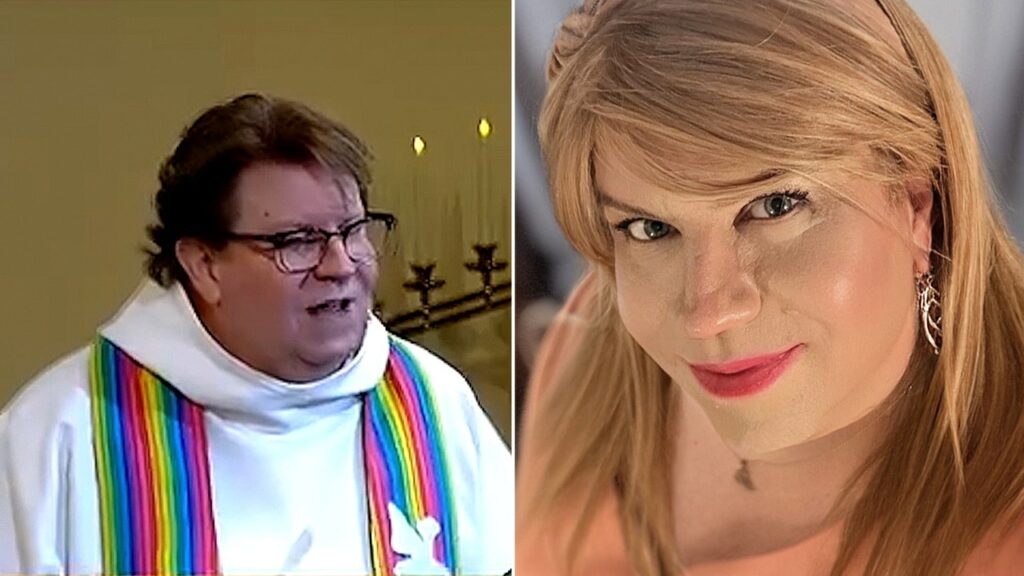
In a groundbreaking announcement, Rev. Phillip Phaneuf of the North Chili United Methodist Church in Rochester, New York, revealed plans to transition into a woman and identify as asexual. The pastor made the revelation during a Sunday service on November 23, 2025, wearing a rainbow stole as a symbol of pride and inclusivity. With this transition, Phaneuf aims to embrace an authentic identity that resonates with his true self, while garnering the support of his church community and leadership.
| Article Subheadings |
|---|
| 1) Announcement during Sunday Service |
| 2) Details of Transition |
| 3) Reactions from Family and Church |
| 4) Church’s Stance on LGBTQ+ Issues |
| 5) Broader Implications for the Methodist Community |
Announcement during Sunday Service
On November 23, Rev. Phillip Phaneuf delivered a poignant announcement during a Sunday service at the North Chili United Methodist Church, compellingly detailing his decision to transition into a woman. Clad in a rainbow stole, which signifies acceptance and support for the LGBTQ+ community, the 51-year-old pastor addressed his congregation directly from the pulpit. “So I get to announce with joy that I’m transitioning,” he stated, affirming his transgender identity. The decision comes as a significant moment for Phaneuf, who has served his church faithfully over the years.
He elaborated, “The best way to put this is that I’m not becoming a woman; I’m giving up pretending to be a man.” This declaration emphasizes the deeply personal nature of his journey, and it serves as a call for understanding and acceptance, particularly for those who may find the news shocking.
Details of Transition
In his announcement, Phaneuf shared more intimate details regarding his transition. The pastor revealed that he identifies as asexual, meaning that he experiences little to no sexual attraction to others. This orientation is distinct from traditional notions of sexual attraction and may be indicative of his broader exploration of identity.
He also stated that he will be adopting the name “Phillippa” and prefers the pronouns she/her. Undergoing hormone replacement therapy for the past three months has been part of his commitment to change, with expectations of noticeable alterations in appearance, voice, and hair in the coming months. His determination to share these developments openly reflects an ethos of authenticity and a desire to educate his congregation about the transition process.
Reactions from Family and Church
While the response from the church community has largely been supportive, Phaneuf indicated that his parents do not share in this acceptance. “They asked me to tell you all that they do not support me,” he announced during the sermon, a poignant remark that underscores both the personal and familial challenges associated with such a significant life change.
Despite the lack of familial support, the broader church community and its leadership have rallied behind Phaneuf, affirming his role and responsibilities within the church. He emphasized that after consulting the bishop before making his announcement, he has received assurances that his pastoral duties would remain unaffected.
Church’s Stance on LGBTQ+ Issues
The United Methodist Church (UMC) has experienced a paradigm shift regarding its stance on LGBTQ+ identities in recent years. In a move away from previous doctrines that condemned such identities, the church’s current ideology celebrates human sexuality as a “sacred gift,” applicable to “all persons, regardless of sexual orientation or gender identity.” These affirmations resonate deeply with Phaneuf‘s transition and his hopes for acceptance and love within his congregation.
The church’s commitment to “befriend and care for all persons, including LGBTQ persons in our churches and communities,” signifies a transformative step in inclusivity, providing a supportive backdrop for Phaneuf during his transition.
Broader Implications for the Methodist Community
The decisions made by leaders like Phaneuf have substantial implications for the Methodist community at large. As societal conversations surrounding gender identity and sexual orientation evolve, the church is positioned at a crossroads, navigating tradition while embracing change. Many within the fold are beginning to understand the importance of acceptance, compassion, and the need for open dialogues concerning LGBTQ+ issues.
Phaneuf serves as a representative figure in this ongoing conversation, providing both a personal narrative and a communal challenge. His journey reveals the intersection of faith, identity, and societal norms, stimulating discussions that could influence the theological landscape for years to come.
| No. | Key Points |
|---|---|
| 1 | Rev. Phillip Phaneuf announced his transition during a Sunday service. |
| 2 | He identifies as asexual and has chosen the name “Phillippa.” |
| 3 | The church community has shown support for his transition. |
| 4 | His parents do not support his decision to transition. |
| 5 | The United Methodist Church has shifted its stance on LGBTQ+ issues significantly. |
Summary
Rev. Phillip Phaneuf‘s announcement marks a significant moment not only for him but also for the North Chili United Methodist Church and the broader Methodist community. As he navigates this journey, it highlights the critical need for acceptance and the evolving landscape of faith in relation to gender identity and orientation. The supportive response from the church reaffirms a commitment to inclusivity, paving the way for deeper conversations on identity and spirituality.
Frequently Asked Questions
Question: What is Rev. Phillip Phaneuf‘s new name and pronouns?
Rev. Phillip Phaneuf will be adopting the name “Phillippa” and prefers the pronouns she/her.
Question: What does it mean to identify as asexual?
Identifying as asexual means experiencing little or no sexual attraction to others. It is a distinct orientation that emphasizes emotional connections over sexual ones.
Question: How has the United Methodist Church changed its stance on LGBTQ+ identities?
In recent years, the United Methodist Church has shifted its position to affirm human sexuality as a “sacred gift,” endorsing acceptance and care for LGBTQ+ individuals within the church community.