
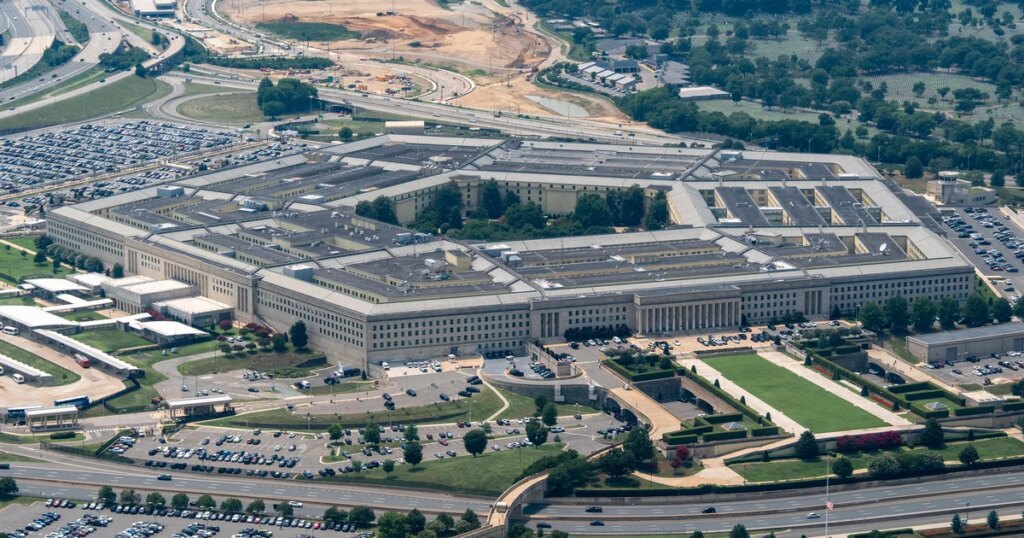
In a significant development involving the military news outlet Stars and Stripes, officials at the Pentagon have discussed the potential dismissal of its long-serving publisher, Max Lederer. This conversation arises as the Trump administration seeks to overhaul the organization just before its scheduled transition in leadership. As Stars and Stripes approaches a pivotal moment—marked by declining readership and a mission reshaped by political influences—internal strife becomes increasingly evident as tensions grow around the outlet’s direction and funding model.
| Article Subheadings |
|---|
| 1) Overview of Stars and Stripes’ Leadership Challenges |
| 2) Financial Dependence and Public Perception |
| 3) Shifts in Editorial Policy and Content Strategy |
| 4) Historical Role and Editorial Independence |
| 5) Recent Controversies and Future Outlook |
Overview of Stars and Stripes’ Leadership Challenges
The current turmoil at Stars and Stripes signifies broader tensions within the military’s communication sphere. Max Lederer, the longtime publisher, announced his planned retirement on September 30, citing profound disagreements with the Trump administration’s vision for the outlet. This pre-scheduled exit comes amid discussions among Pentagon officials about the possibility of replacing him before that date. Association with government leadership often includes significant challenges, especially when leadership philosophies clash. According to sources, those discussions have intensified, reflecting the current administration’s intent to reshape the news outlet as part of a broader strategy.
Financial Dependence and Public Perception
Stars and Stripes has historically operated under a unique funding model, with approximately 65% of its revenue coming from the Defense Department. This financial arrangement raises questions about the publication’s editorial independence, a concern that has become more pronounced in light of recent administrative tensions. Reports indicate that Stars and Stripes has experienced a significant decline in readership over the years. Average daily viewership dropped from about 20 million unique visitors to 14 million, while printed issues have witnessed a similar downturn, decreasing from 7 million copies in 2019 to only 6.2 million copies expected in 2024. This declining engagement poses a challenge for the outlet, as it strives to maintain relevance among military service members.
Shifts in Editorial Policy and Content Strategy
The Trump administration’s approach to Stars and Stripes aims to modernize its operations and refocus its content. Pentagon spokesperson Sean Parnell has made it clear that the outlet is expected to shift away from what some characterize as “woke distractions” and to concentrate on military-centric topics. This includes a pledge to emphasize original reporting over aggregated content sourced from other news agencies, a move that has been sparking discussions about the outlet’s future direction.
“We will modernize its operations, refocus its content, and adapt it to serve a new generation of service members,”
Parnell stated in an effort to outline the administration’s intention.
Historical Role and Editorial Independence
Founded as a platform for military news, Stars and Stripes has been distinct in its commitment to editorial independence, a principle that has faced various tests throughout its history. Notably, during World War II, the publication garnered strong support from leaders like General Dwight D. Eisenhower, who believed it should be “free from propaganda” and military influence. However, accusations of censorship and compromised independence have emerged, particularly with allegations concerning the Pentagon imposing limits on editorial freedom. These historical tensions inform the current discussions surrounding the outlet’s governance and content direction. The push toward a renewed focus on military engagement and experiences has implications not only for the readership but also for the perception of military media within the broader landscape.
Recent Controversies and Future Outlook
Recent events have compounded the challenges for Stars and Stripes, including the firing of the publication’s ombudsman, Jacqueline Smith. Smith’s termination followed her vocal criticism of restrictions placed on news synthesis and editorial practices—a story that has raised eyebrows about the environment within the newspaper. Smith subsequently filed a lawsuit against the Pentagon, alleging retaliation and a violation of her First Amendment rights. Such controversies highlight the precarious balance between maintaining journalistic integrity and operating under the auspices of government oversight.
Key Points
| No. | Key Points |
|---|---|
| 1 | Discussions are ongoing regarding the potential early removal of Max Lederer as publisher. |
| 2 | Stars and Stripes derives approximately 65% of its funding from the Defense Department. |
| 3 | Readership numbers have notably declined across both digital and print platforms. |
| 4 | The Trump administration aims to modify the editorial content to focus more on military affairs. |
| 5 | Legal disputes regarding editorial practices have surfaced, calling into question the publication’s autonomy. |
Summary
The ongoing situation at Stars and Stripes illustrates the complex interplay between military oversight and journalistic independence. As the Pentagon weighs its options for leadership changes, the future of the news outlet remains uncertain, with declining readership and contentious policy shifts contributing to an atmosphere of instability. With historical precedents weighing heavily on the organization’s current trajectory, the outcomes of these discussions will significantly impact how military journalism evolves in the coming years.
Frequently Asked Questions
Question: What is the primary role of Stars and Stripes?
Stars and Stripes serves as the official news source for the U.S. military, providing coverage and information relevant to service members and their families.
Question: How does Stars and Stripes fund its operations?
Approximately 65% of Stars and Stripes’ funding comes from the Defense Department, while the rest is generated through advertising and sales.
Question: What changes are being proposed for Stars and Stripes’ editorial policy?
The proposed shifts include focusing more on original military reporting and less on aggregated content, aiming to align its coverage more closely with current military priorities and reduce perceived political influences.