
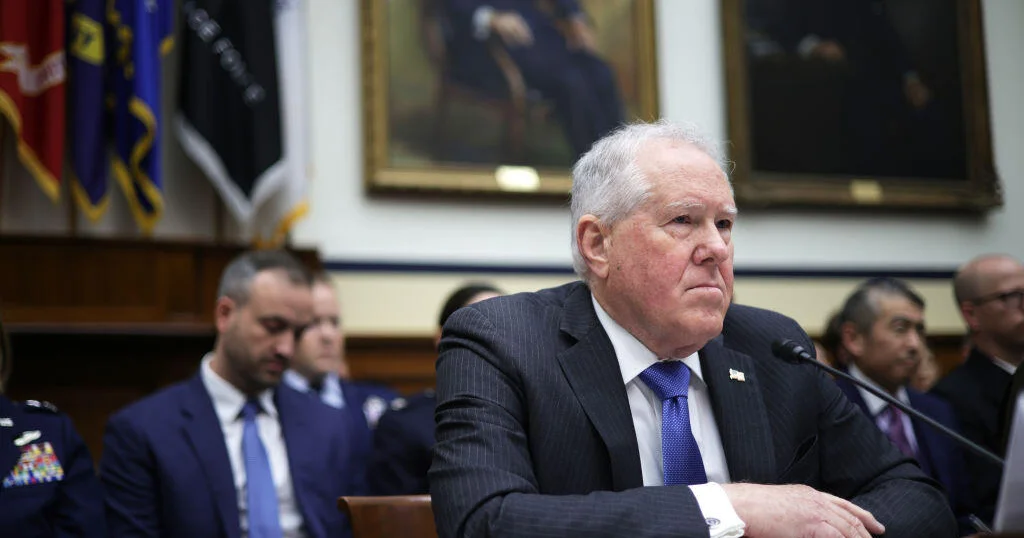
The Pentagon recently took significant steps against former U.S. Air Force Secretary Frank Kendall by revoking his eligibility to access classified information and barring him from holding sensitive positions. This action follows allegations that Kendall disclosed sensitive details regarding the capabilities of the new Air Force One aircraft to the media. The controversy arises amid heightened security concerns regarding the aircraft’s functionality, particularly after it was reported to lack advanced defensive features when compared to its predecessor.
| Article Subheadings |
|---|
| 1) Background on Air Force One’s Capabilities |
| 2) The Pentagon’s Actions Against Frank Kendall |
| 3) Reactions from Frank Kendall |
| 4) Implications for National Security |
| 5) Historical Context of Security Clearance Revocations |
Background on Air Force One’s Capabilities
Air Force One is not just an aircraft but a symbol of American power and prestige. The latest model, recently gifted by Qatar, has sparked considerable debate regarding its capabilities, particularly in defense. The aircraft is purported to lack advanced anti-missile technologies present in previous versions, raising concerns among federal officials about the security of the President while in transit. Initial reports indicated that the new Air Force One underwent extensive upgrades costing approximately $400 million but still fell short of optimal defense features. These limitations were highlighted during foreign trips, especially when President Donald Trump opted to use an older model of Air Force One amid credible threats from Iran.
The Pentagon’s Actions Against Frank Kendall
In a surprising move, the Pentagon announced the revocation of Frank Kendall‘s eligibility for classified access. This decision stemmed from his alleged unauthorized disclosure of capabilities related to Air Force One to a media outlet, although no specific outlet was identified. Pentagon spokesperson Sean Parnell emphasized the importance of safeguarding classified information, stating, “Those who violate that trust forfeit the privilege of access and any role requiring it.” The dismissal of Kendall also includes a ban from holding any sensitive position, highlighting the Pentagon’s commitment to maintaining national security integrity.
Reactions from Frank Kendall
Following the Pentagon’s decision, Frank Kendall expressed profound confusion and frustration. He stated, “I’ve always been extremely careful to not say anything classified, and as far as I know I have not.” His claims of uncertainty suggest that there may not have been clarity surrounding what specifically he was accused of revealing. Kendall’s ongoing assurances that any statements made about Air Force One were within lawful bounds add to the complexity of this incident. This incident represents a clash between governmental authorities and individuals accused of breaching confidentiality protocols.
Implications for National Security
The situation surrounding Frank Kendall and Air Force One brings to light broader national security issues. The aircraft’s perceived vulnerabilities have led to serious discussions among security agencies about the compelling need for adequate protection measures. Reports of a credible threat from Iran against President Trump during a recent trip forced a rapid response from the U.S. Secret Service, indicating that security protocols surrounding the aircraft are currently being scrutinized. Furthermore, U.S. officials revealed that modifications to the Qatari-donated aircraft intentionally omitted certain defense features, revealing a significant gap in its readiness and overall security.
Historical Context of Security Clearance Revocations
The revocation of Frank Kendall‘s security clearance is not an isolated incident but rather part of a trend observed in recent administrations, especially notable during Donald Trump’s presidency. Reports indicate that over 37 national security officials either had their security clearances revoked or were denied access under similar circumstances. The practice of canceling security clearances underlines the contentious environment surrounding the administration’s handling of classified information. Past incidents include the prosecution of individuals like Edward Snowden, who faced severe consequences for disclosing sensitive information, illustrating the government’s commitment to uphold stringent national security measures.
| No. | Key Points |
|---|---|
| 1 | The Pentagon revoked the security clearance of former Air Force Secretary Frank Kendall over alleged disclosures about Air Force One. |
| 2 | Concerns have arisen about the airworthiness and capabilities of the new Qatari-donated Air Force One aircraft. |
| 3 | Kendall claimed he did not reveal classified information and expressed confusion over the Pentagon’s actions. |
| 4 | The situation indicates ongoing vulnerabilities in presidential flight security and modifications made to Air Force One. |
| 5 | Revocations of security clearances have been a common practice in recent administrations, underscoring the tension in handling classified information. |
Summary
The revocation of Frank Kendall‘s security clearance not only creates questions about classified information handling but also sheds light on the potential vulnerabilities of the new Air Force One aircraft. As security concerns regarding presidential travel persist, this incident serves as a reminder of the delicate balance between transparency, journalistic freedom, and national security interests. The actions taken by the Pentagon warrant further examination as they are indicative of the broader issues of security protocol and trust in the realm of classified information.
Frequently Asked Questions
Question: What was the basis for the revocation of Frank Kendall’s security clearance?
The Pentagon revoked Frank Kendall’s security clearance based on allegations that he disclosed sensitive information regarding the capabilities of Air Force One to the media, although no specific outlet was identified.
Question: How has the situation affected national security protocols?
The situation has raised significant concerns about the security and capabilities of the newly introduced Air Force One aircraft, prompting ongoing discussions and scrutiny surrounding presidential flight security measures.
Question: What has been the historical trend regarding revocations of security clearances?
Revocations of security clearances have occurred frequently in recent administrations, highlighting the contentious atmosphere around classified information, exemplified by high-profile cases such as those involving Edward Snowden and others.