
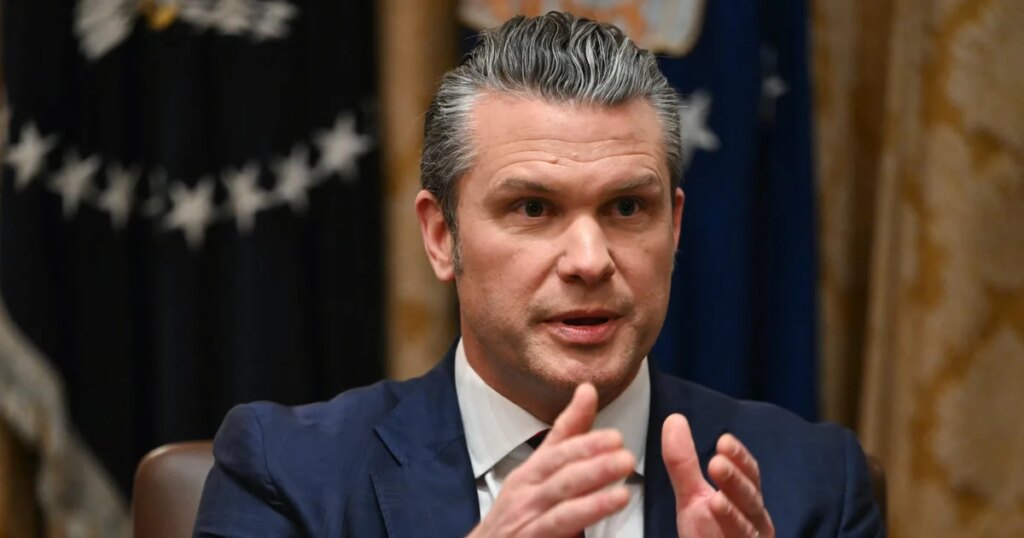
In a troubling revelation, Defense Secretary Pete Hegseth stands accused of compromising sensitive military information regarding U.S. operations in Yemen. A report published by the Pentagon’s inspector general details violations of Defense Department policies, claiming that Hegseth shared confidential details via a private Signal group chat. Despite claims of exoneration from Hegseth and the Pentagon, the report raises serious questions about operational security and the potential risks to American service members.
| Article Subheadings |
|---|
| 1) Allegations of Sensitive Information Disclosure |
| 2) Department of Defense’s Violations |
| 3) Responses from Hegseth and Pentagon Officials |
| 4) Legislative Reactions and Calls for Resignation |
| 5) The Impact on National Security |
Allegations of Sensitive Information Disclosure
The controversy erupted following a report that revealed Hegseth allegedly shared classified information concerning military operational details in Yemen through a private Signal chat. According to the inspector general’s findings, this act put U.S. service members at risk. The discussion points to the gravity of the information shared: operational military movements that, if intercepted, could endanger the lives of pilots and compromise mission objectives.
The incident takes on added weight given the current geopolitical climate, especially in the Middle East where U.S. military presence is both significant and sensitive. The report specifically highlighted certain operational details that matched classified information designated with the “SECRET” and “NOFORN” labels, shedding light on how critical the breaches of protocol were.
The significance of these leaks cannot be overstated, given that they involved real-time military operations against threats like terrorist organizations. The inspector general emphasized that the actions of Hegseth not only jeopardized lives but also risked operational success and security objectives.
Department of Defense’s Violations
The Pentagon’s report indicated multiple violations of Department of Defense policies, primarily stemming from Hegseth’s reliance on his personal device to convey sensitive information. Utilizing personal communication to execute official duties is strictly forbidden as it raises concerns over the secure handling of defense information.
Among the specifics, it was noted that there was a failure to retain official records, further complicating matters. The Pentagon’s emphasis on maintaining a secure chain of communication underscores the importance of following strict protocols when handling classified material. Given the multifaceted nature of military operations, protecting such information becomes vital for the safety of personnel and overall mission success.
Furthermore, the report indicated that Hegseth did not appropriately notify relevant parties about the declassification of certain information. As per DoD regulations, any declassification must be communicated to individuals and units that handle the classified material to ensure clarity and security. His failure to do so raises troubling questions about judgment and adherence to crucial protocols.
Responses from Hegseth and Pentagon Officials
In a statement following the report’s release, chief Pentagon spokesman Sean Parnell declared it a “TOTAL exoneration” for Hegseth and asserted that no classified information had been compromised. Hegseth echoed this sentiment on social media, highlighting that he perceived the outcome as a complete dismissal of any wrongdoing.
Despite these claims, the Pentagon’s internal report presents a differing narrative, emphasizing the dangerous potential of such disclosures. Even the veneer of absolution offered by Hegseth cannot erase the core concerns about transparency and operational security as laid out in the investigator’s findings.
Complicating the narrative further is the issue of Hegseth’s unwillingness to provide his personal cell phone or submit to an interview during the investigation. This decision has led to questions regarding his commitment to accountability and responsibility as a public official, especially given the serious allegations being leveled against him.
Legislative Reactions and Calls for Resignation
The political ramifications of the inspector general’s report have been swift, with prominent Democrats calling for Hegseth to resign. Leading figures such as Virginia Senator Mark Warner remarked on the severity of the breaches and suggested that these incidents reflect a broader pattern of reckless behavior. Such sentiments were echoed by other congress members who criticized Hegseth’s actions as incompatible with the responsibilities of his office.
Several lawmakers underscored that Hegseth’s lack of judgment could be seen as a fireable offense for anyone else within the Department of Defense, illustrating a perceived double standard for senior officials. Rep. Jim Himes emphasized the necessity of accountability, while Sen. Tammy Duckworth, a military veteran, characterized the lapses as a “jaw-dropping breach of national security.”
The call for resignation among members of Congress may reflect a growing impatience with perceived lack of accountability in defense operations. As national security challenges evolve, leaders face heightened scrutiny regarding their decisions and the potential consequences of their actions.
The Impact on National Security
The overarching concern stemming from the report revolves around national security. The misuse of classified information can have severe ramifications not only for the individuals directly involved but also for military operations at large. The possibility of adversaries intercepting sensitive data compounds the gravity of the situation, potentially undermining U.S. strategic interests globally.
The inspector general’s findings illuminate a pivotal discussion about operational security and the protocols essential to safeguarding sensitive information. In the age of information, where technology bridges gaps but can also create vulnerabilities, maintaining strict adherence to security protocol is paramount.
Given the critical nature of military operations, the ramifications could extend beyond immediate operational setbacks. The loss of life, compromised missions, and jeopardized personnel are significant concerns that departments must continually guard against in a complex international landscape.
| No. | Key Points |
|---|---|
| 1 | Defense Secretary Hegseth allegedly compromised sensitive military information in a private Signal chat. |
| 2 | The Pentagon’s report highlights violations of Defense Department policies and failure to retain official records. |
| 3 | Hegseth and Pentagon officials claim full exoneration, despite serious allegations raised in the report. |
| 4 | Prominent Democrats have called for Hegseth to resign in light of the findings. |
| 5 | The operational security implications of the breaches could endanger U.S. service members and missions. |
Summary
The allegations against Hegseth have unlocked a Pandora’s box of concerns regarding military operational security and adherence to protocols. While those in power may claim exoneration, the inspector general’s report elucidates a troubling lack of judgment that raises alarms about the potential implications for U.S. national security. The repercussions of such breaches could lead to severe consequences for both personnel and missions in conflict zones. In a time when operational security is paramount, the discussions prompted by this incident serve as a crucial reminder of the responsibilities held by those in high-ranking defense positions.
Frequently Asked Questions
Question: What led to the investigation into Secretary Hegseth?
The investigation was prompted by allegations that Hegseth had shared sensitive military information through a private Signal chat that violated Defense Department policies.
Question: Why are breaches of operational security considered serious?
Breaches can compromise the safety of military personnel, undermine mission objectives, and potentially endanger national security if sensitive information falls into enemy hands.
Question: What actions have lawmakers taken after the report’s release?
Prominent Democrats have called for Secretary Hegseth to resign, citing the severity of the breaches and the implications for national security.