
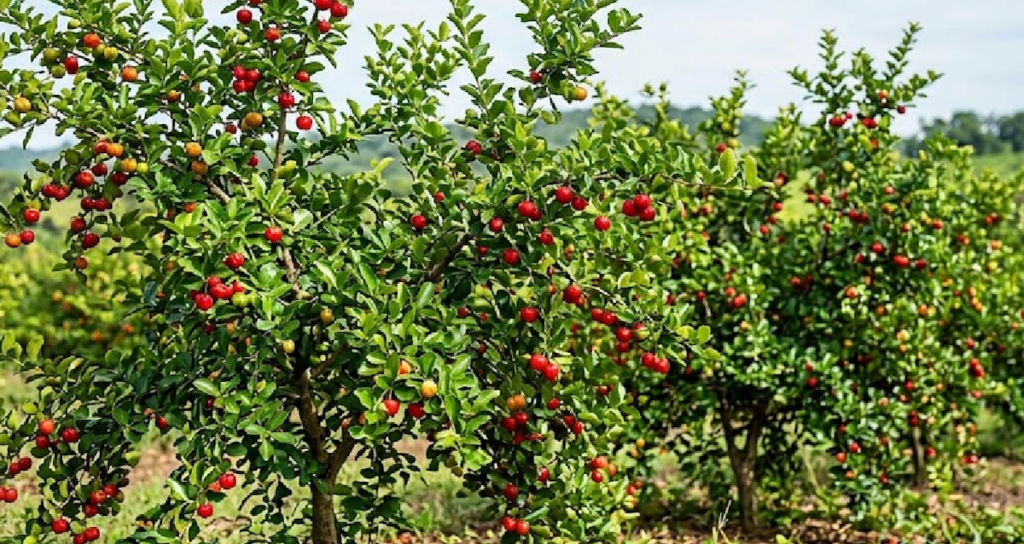
Acerola, also known as the Barbados cherry, is a tropical fruit renowned for its exceptional vitamin C content. This shrub produces vibrant red and orange fruits that not only offer health benefits but can also be cultivated at home in pots. As more individuals seek to enhance their diets with nutrient-rich foods, the acerola’s impressive profile and ease of growth make it a popular choice among gardeners and health enthusiasts alike.
| Article Subheadings |
|---|
| 1) Overview of Acerola and Its Characteristics |
| 2) Vitamin C Content and Health Benefits |
| 3) Growing Acerola: Ideal Conditions |
| 4) Planting and Maintenance Tips |
| 5) Conclusion: The Future of Acerola Cultivation |
Overview of Acerola and Its Characteristics
Acerola, scientifically known as Malpighia emarginata, thrives in the warm, tropical climates of South America, Central America, and the Caribbean. Measuring between 1 to 2 centimeters in diameter, the small, succulent fruits transition from a green hue to bright red or dark orange as they ripen, providing a visually striking addition to any garden. The shrub itself can reach heights of 2 to 3 meters, making it a moderately sized plant suitable for home gardening in suitable conditions. Acerola is not only prized for its aesthetic appeal but also for its nutritional profile, which has garnered significant attention from health enthusiasts and researchers.
Vitamin C Content and Health Benefits
One of the most remarkable aspects of acerola is its incredibly high concentration of vitamin C. In comparison to a fresh lemon, which is already well-regarded as a source of this essential vitamin, acerola contains 50 to 60 times more vitamin C per fruit. This exceptional vitamin content can play a significant role in strengthening the immune system, combating free radicals, and promoting overall health. In addition to vitamin C, acerola is also rich in other vital nutrients, including vitamins A and various B vitamins, along with powerful antioxidants such as anthocyanins. Ongoing research seeks to unlock the full potential of these compounds for health benefits, which has piqued the interest of both consumers and researchers alike.
Growing Acerola: Ideal Conditions
As a tropical plant, acerola flourishes in warm, sunny environments. It is predominantly cultivated in countries like Brazil, Mexico, and other Caribbean islands, where the climate is perfect for its growth. For those interested in growing acerola at home, it is important to choose a south-facing location that receives ample sunlight, ideally providing between 6 to 8 hours of direct light daily. This ensures the plant can thrive and fruit to its full potential. In preparation for cultivation, potential growers should consider the natural conditions that acerola prefers, including warmth, consistent moisture, and good air circulation.
Planting and Maintenance Tips
Successful cultivation of acerola requires attention to soil quality and watering practices. The ideal soil for acerola should be well-drained, rich in organic material, and have a loose texture that allows roots to expand without obstruction. When planting in pots or garden beds, it is essential to ensure that there is enough space for the root system to grow freely. A common recommendation is to have the root neck of the plant level with the soil surface to encourage healthy growth. To maintain soil health, it’s advisable to incorporate peat, perlite, or compost, especially in heavier soils, which can help improve drainage.
Post-planting care is crucial for acerola. Due to its tropical origins, regular watering is necessary, but it is imperative to avoid waterlogging, which can lead to root rot. A good practice is to keep the soil consistently moist without letting it become soggy. Additionally, light mulching can help retain soil moisture, promoting healthy plant growth. Being mindful of these factors will significantly enhance the likelihood of successful cultivation.
Conclusion: The Future of Acerola Cultivation
As interest in nutritious, home-grown foods continues to rise, acerola offers an attractive option for gardeners looking to incorporate health-promoting plants into their cultivation efforts. Its superior vitamin C content and ability to thrive in a pot make it an appealing choice for those with limited space or unfavorable growing conditions. With ongoing research highlighting the potential benefits of its various nutrients, acerola may soon take a prominent place in discussions around healthy eating and sustainable gardening practices. Whether in a home garden or a larger agricultural setting, acerola represents an exciting opportunity for all those interested in horticulture and health.
| No. | Key Points |
|---|---|
| 1 | Acerola is a tropical fruit known as Barbados cherry, notable for its vibrant colors and high vitamin C content. |
| 2 | Acerola contains significantly more vitamin C than lemons, making it beneficial for immune support. |
| 3 | Ideal growing conditions for acerola include ample sunlight and well-drained, nutrient-rich soil. |
| 4 | Regular watering is crucial, but overwatering must be avoided to prevent root rot. |
| 5 | Home cultivation of acerola is feasible, offering both aesthetic and nutritional benefits. |
Summary
Acerola stands out not only for its nutritional benefits but also for its home gardening potential. With an impressive vitamin C content and the ability to be grown in pots, it satisfies both health and aesthetic needs. As interest in growing personal food sources continues to grow, acerola may play an increasingly vital role in dietary improvements and sustainable gardening practices.
Frequently Asked Questions
Question: What are the best conditions for growing acerola?
Acerola plants thrive in warm, sunny environments with at least 6-8 hours of direct sunlight per day.
Question: How can I maintain acerola plants effectively?
Regular watering, ensuring well-drained soil, and preventing waterlogging are essential for maintaining acerola plants.
Question: Can acerola be grown indoors?
Yes, acerola can be successfully grown in pots indoors if placed in a sunny location with ample light.