
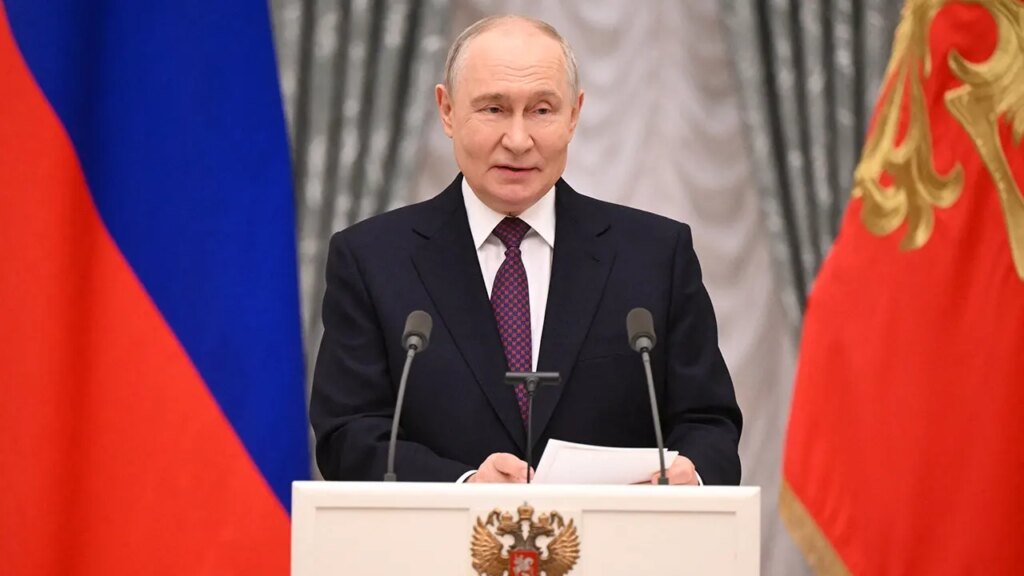
In light of recent events, concerns have emerged regarding a potential pneumonic plague outbreak following the unexpected death of a researcher at a Siberian plague institute. This incident comes at a time when the Russian government, led by President Vladimir Putin, is facing mounting challenges, including a weakened economy and a protracted conflict in Ukraine that have reportedly resulted in significant casualties. The death of Darya Shipilova, an employee of the Irkutsk Anti-Plague Research Institute, has raised alarms, stirring apprehensions both domestically and internationally about the country’s handling of public health crises and transparency in information dissemination.
| Article Subheadings |
|---|
| 1) Background on the Incident |
| 2) Implications of the Death |
| 3) Government Response and Actions |
| 4) Expert Opinions on the Situation |
| 5) Historical Context and Future Outlook |
Background on the Incident
The incident began with the tragic death of Darya Shipilova, a 28-year-old scientist at the Irkutsk Anti-Plague Research Institute in Siberia. An employee at the forefront of plague research, Shipilova developed pneumonia of an “unknown” origin and succumbed shortly thereafter. The Russian health authorities have conducted tests and stated that there is currently no evidence connecting her illness to any pathogens associated with her research. This assertion aims to mitigate public fear regarding the potential outbreak of pneumonic plague, a variant of the bubonic plague that can cause severe illness if not treated promptly.
Shipilova’s case has been declared a public health mystery, as the circumstances surrounding her sudden illness raise numerous questions. Eyewitness reports indicate that her illness manifested abruptly, leaving authorities scrambling to initiate health and safety protocols, including quarantines. The rapid evolution of the situation and the unusual nature of her illness have led to heightened concerns among scientists and health officials about the safety practices within biological research facilities in the region. Despite officials asserting that no microorganisms related to her role were detected, the situation remains a cause of concern for local and international communities alike.
Implications of the Death
The death of Shipilova has broader implications beyond individual tragedy; it adds to the growing list of challenges confronting President Vladimir Putin. Experts highlight the potential for this incident to erode public confidence in the Kremlin, especially as dissatisfaction with the government grows amid a failing economy and an ongoing military conflict in Ukraine. As the war drags on, accumulating casualties continue to weigh on Russian society, with Shipilova’s death illustrating the precarious state of public health in a country already grappling with significant challenges.
According to retired CIA officer Dan Hoffman, the significance of this incident lies in its potential for cumulative effects on Putin’s grip on power. He explains that while a single incident may not pose an immediate threat to the regime, it could act as a catalyst for broader discontent among the population over time. As people start questioning the government’s transparency and support in various sectors, including health and economy, the stability of Putin’s regime might become increasingly vulnerable.
Government Response and Actions
In response to Shipilova’s death, the Russian government rolled out immediate actions aimed at controlling potential public backlash and advancing public health. Following the announcement of her death, Anna Popova, director of the Federal Service for the Oversight of Consumer Protection and Welfare (Rospotrebnadzor), visited the research institute to oversee health protocol implementations and investigations. This visit underscores the importance of transparency and accountability in preventing further outbreaks and maintaining public trust.
Russian health authorities have emphasized that extensive testing conducted in the aftermath of the incident found no trace of pathogens linked to Shipilova’s research. They initiated heightened health precautions across the region, prompting additional monitoring measures and health advisories. Among the precautions were protocols for workers at the institute and potential exposure assessments for those who had interactions with Shipilova. Nevertheless, skepticism lingered among the population regarding the thoroughness and honesty of the government’s actions.
Expert Opinions on the Situation
The prevailing sentiment among experts is one of caution, with many arguing that the level of transparency around the incident is insufficient, especially given Russia’s historical context of information control. The narrative echoes past crises, including the Chernobyl disaster and the Soviet-Afghan war, where critical information was suppressed. Hoffman mentioned that the Kremlin’s manipulation of information leads the public and the international community to question the reliability of any official statements coming from Moscow.
He pointed out that the government must be held accountable for how it manages public health crises, particularly in light of prior failures to effectively communicate dangers to the public. “Putin, you know, is a dictator, and he’s got pretty strict control over information, so they’re obviously not going to release any truth to the public,” Hoffman observed, reinforcing concerns about the opaque nature of governance in Russia. This situation highlights the inherent risk to public health posed by mismanagement and misinformation within the state’s institutions.
Historical Context and Future Outlook
Looking at Russia’s historical handling of crises, including public health matters, one can see a pattern of suppressing pertinent information to avoid public unrest. The Soviet Union’s past response to the Afghanistan war and the Chernobyl disaster serve as relevant examples, where the government’s attempts to control the narrative hindered effective responses to the situations. These patterns often create a breeding ground for public distrust, and the current incident with Shipilova appears to be no exception.
In anticipation of future implications, analysts are closely monitoring the fallout from Shipilova’s death and the ongoing situation in Russia. The convergence of economic instability, political dissatisfaction, and health crises may lead to heightened civil unrest if not managed responsibly. Observers note that if the Kremlin fails to rectify the issues leading to these systemic shortcomings, it could pave the way for a more significant challenge to Putin’s authority. The international community remains vigilant, as any developments could reverberate beyond Russia’s borders, influencing global relations and international health protocols.
| No. | Key Points |
|---|---|
| 1 | The death of researcher Darya Shipilova has raised alarms about public health in Russia. |
| 2 | Russian authorities claim there is no evidence linking her pneumonia to her work with pathogens. |
| 3 | The incident reflects broader political and economic challenges facing President Vladimir Putin. |
| 4 | Government response includes heightened health precautions and scrutiny of the research institute. |
| 5 | Historical context shows a pattern of information suppression during crises, undermining public trust. |
Summary
The unexpected death of Darya Shipilova not only poses immediate health concerns but also sheds light on the vulnerabilities of the Russian government under Vladimir Putin. As public life in Russia faces multiple strenuous challenges—economic difficulties, military losses, and public health issues—how the Kremlin handles this incident may determine its future stability. The transparent management of this issue is crucial; failure to do so could further erode public confidence, ultimately impacting the governmental authority in Putin’s regime. Hence, the world watches closely, acutely aware that the implications of this public health crisis extend far beyond Siberia’s borders.
Frequently Asked Questions
Question: What led to the concerns about an outbreak of pneumonic plague in Russia?
The concerns arose after the death of a researcher, Darya Shipilova, from pneumonia of unknown origin while working at a plague research institute, prompting fears about biological safety and public health.
Question: How did Russian authorities respond to Shipilova’s death?
Russian authorities emphasized health precautions, conducted extensive testing, and declared that there was no evidence linking her illness to pathogens associated with her research.
Question: What effects may Shipilova’s death have on the Russian government’s credibility?
Experts suggest that continued public distrust in the government could deepen due to a perceived lack of transparency and control over information regarding significant health incidents like Shipilova’s death.