
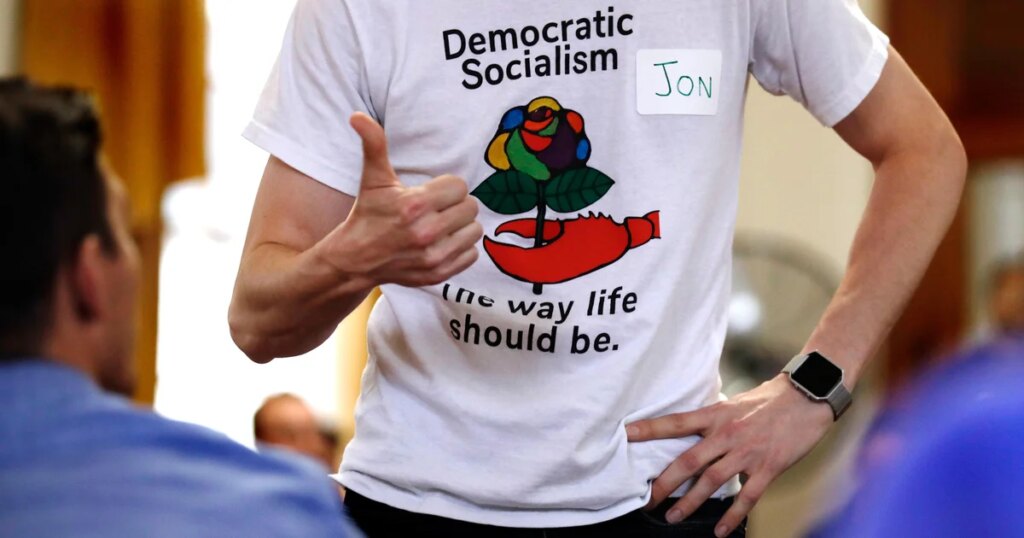
Recent surveys indicate overwhelming support among Americans for a free market system, although sentiments toward socialism remain polarized. The current economic climate has many Americans expressing dissatisfaction with their ability to secure housing, raise families, and feel financially stable. Younger generations particularly feel that opportunities for advancement are dwindling, heightening disenchantment with the perceived inefficacy of the economic system and its fairness. This dissatisfaction could have significant implications for political dynamics, particularly seen in the current Democratic primary contests, where views on socialism appear more favorable than capitalism among party ranks.
| Article Subheadings |
|---|
| 1) General Sentiment Towards Economic Systems |
| 2) Views Among Different Generations |
| 3) Defining Socialism |
| 4) The Political Landscape and Socialism |
| 5) Future Directions for the Democratic Party |
General Sentiment Towards Economic Systems
The prevailing opinion among Americans is that capitalism is seen in a more favorable light compared to socialism. Surveys project a net-negative view on socialism, with the sentiment leaning towards the belief that it has not proven effective in promoting economic prosperity or fairness. However, there is a prevailing notion that the current economic mechanisms are failing to deliver fairness and equality. This overall dissatisfaction aligns with widespread perceptions that young Americans face stronger barriers to building a life compared to previous generations.
Many participants in the recent surveys pointed out that achieving foundational milestones like purchasing a house or establishing a family seems more difficult now than it did for older generations. This perception has significant ramifications for political viewpoints and engagement, particularly among those advocating for systemic changes. Most respondents express frustration regarding their financial security and opportunities for upward mobility under the existing structures.
Views Among Different Generations
A noticeable divergence in perceptions is evident among various age groups. Younger Americans, in particular, harbor feelings of disenfranchisement concerning economic opportunities. This discrepancy traces back to several factors, including rising living costs and a challenging job market, particularly for those without advanced degrees. A significant percentage of younger Americans view the current economic climate as unfavorable, citing a lack of accessible paths to success.
Surveys indicate that the younger demographic increasingly views capitalism as a system that perpetuates inequality rather than as a facilitator of opportunity. Consequently, many express greater openness to socialist principles, particularly those emphasizing community welfare and economic fairness. As younger voters become a more vocal segment of the electorate, their perspectives and dissatisfaction with traditional economic frameworks are likely to shape political conversations and policies in the near future.
Defining Socialism
Understanding the term “socialism” emerges as a complex challenge due to its multifaceted meanings. The surveys conducted reveal that most individuals define socialism primarily through the lens of government control or ownership of resources. This perception effectively aligns with a broader definition that encompasses ensuring equality and fairness within the economic framework.
A notable division arises between political affiliations, with Republicans and independents more likely to associate socialism with government oversight, while Democrats link it closely with notions of equality and public services. This variation underscores the ongoing debates about effective governance structures and the balance between individual liberty and collective responsibility. The differences in the definitions of socialism reflect deeper ideological divides that influence voter alignment and party cohesion.
The Political Landscape and Socialism
Within the Democratic Party, views on socialism are notably more favorable in contrast to the general public perspective. Many members express a sense of optimism regarding socialist principles, believing they may foster better financial conditions for the average American. This sentiment appears more pronounced among younger Democrats and those with higher education, who view the wealth gap between the richest and middle-class citizens as a pressing concern.
Moreover, younger Democrats and those identifying as white tend to hold favorable views towards socialism compared to older cohorts and other racial groups. This generational divide signals a shift within the party regarding economic ideologies and potential policy directions as the party seeks ways to captivate younger voters who feel more aligned with progressive political narratives. Consequently, key decision-makers within the Democratic Party must navigate these evolving views to remain relevant with their base.
Future Directions for the Democratic Party
The Democratic Party currently finds itself at a critical juncture regarding its direction and future strategies. Many rank-and-file members are advocating for bolder, transformative policies rather than incremental changes. This desire for significant shifts in policy resonates within their community, demonstrating a robust interest in reevaluating economic frameworks that have historically governed American society.
There exists a strong feeling among voters that their party should prioritize fighting for the welfare of the average citizen. Failed attempts to affect meaningful change can lead to further disenchantment and a shift towards alternative political movements. The Democratic Party, thus, faces the challenge of balancing internal divisions around socialism and its broader implications while simultaneously appealing to a restless electorate impatient for sharply defined solutions to economic challenges.
| No. | Key Points |
|---|---|
| 1 | Most Americans have a favorable perception of capitalism over socialism. |
| 2 | Younger generations feel that opportunities for success are diminishing. |
| 3 | Socialism is often viewed through the lens of government control or intervention. |
| 4 | Democratic members express a more favorable view of socialism than the general public. |
| 5 | The Democratic Party is grappling with internal divisions over its identity and direction moving forward. |
Summary
The economic landscape in the United States is prompting critical conversations about fairness, opportunity, and the effective functioning of capitalism versus socialism. As dissatisfaction with current economic conditions grows, particularly among younger generations, the political implications of these sentiments are significant. The Democratic Party must reassess its strategies to resonate with a disillusioned electorate seeking meaningful change. The increasing acceptability of socialist principles within this demographic may shape future policy orientations and party dynamics as they navigate these challenges.
Frequently Asked Questions
Question: What factors contribute to dissatisfaction with the current economic system?
Many Americans, especially younger generations, feel that rising costs of living and stagnant wages limit their opportunities for economic advancement, leading to a general sentiment that the system is unfair.
Question: How do younger Americans view capitalism compared to socialism?
Younger Americans often perceive capitalism as perpetuating inequality and are more open to socialist ideas that advocate for economic fairness and community welfare.
Question: What is the significance of views on socialism within the Democratic Party?
A significant portion of the Democratic Party views socialism positively, which reflects desire for systemic change and an economic framework that emphasizes equality and support for average citizens.