
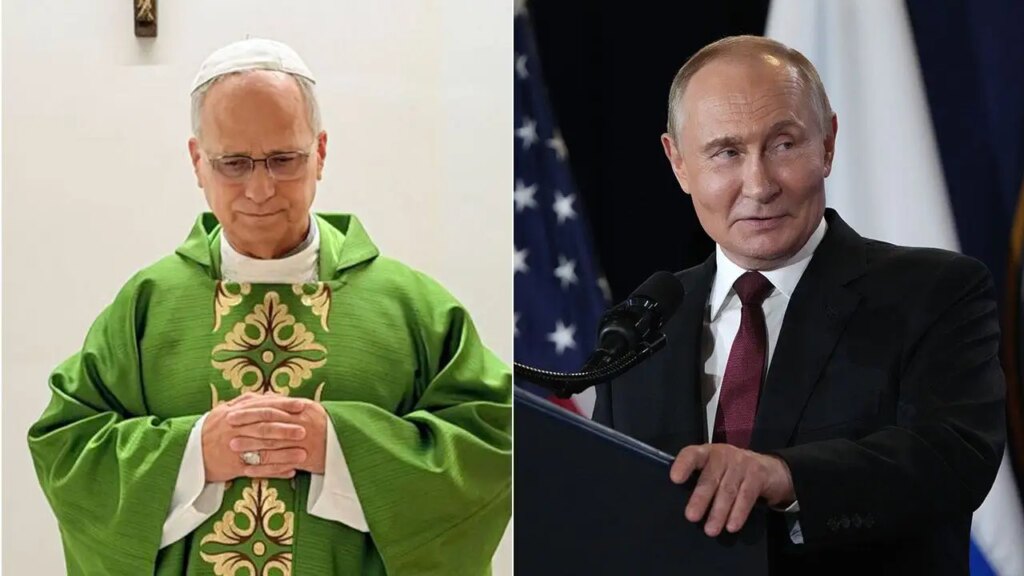
Pope Leo XIV, while recovering from recent lung surgery, reached out to Russian President Vladimir Putin, urging him to call for a ceasefire in the besieged city of Oleshky, Ukraine. The Vatican reported that the pope expressed deep concern over the dire humanitarian conditions in the city, where inhabitants have been deprived of essential supplies and services. This conversation occurred amid an ongoing conflict, with Pope Leo XIV emphasizing the need for humanitarian support and peaceful dialogue to address the escalating crisis.
| Article Subheadings |
|---|
| 1) Current Situation in Oleshky |
| 2) Pope’s Health and Recovery |
| 3) Historical Context of the Conflict |
| 4) Responses from Global Leaders |
| 5) Future Implications for Humanitarian Aid |
Current Situation in Oleshky
The city of Oleshky, situated in the Kherson region of Ukraine, has become emblematic of the humanitarian crisis exacerbated by the ongoing armed conflict. Reports indicate that since May, there has been no delivery of humanitarian assistance, leading to severe shortages of food, medical supplies, and basic services. The infrastructure has suffered significant damage; the local population faces dire conditions with no electricity, gas, or running water. The city’s hospital, critical for the health of its residents, is barely operational, making the situation increasingly urgent.
As the humanitarian crisis unfolds, civilians are left vulnerable and in desperate need of emergency support. A call for a ceasefire, as urged by Pope Leo XIV, highlights the pressing necessity for both immediate and long-term solutions to ensure the safety and well-being of the trapped civilians. The pope’s intervention seeks to open corridors for the delivery of essential supplies, fostering conditions for dialogue and ultimately peace.
Pope’s Health and Recovery
Pope Leo XIV was recently diagnosed with lung cancer, prompting a surgical procedure to remove part of his lung. His recovery occurred in a hospital where he has since shown signs of improvement. Despite his health challenges, the 71-year-old pontiff actively participated in his duties, including holding a Mass in the hospital chapel. The Vatican shared images of the pope expressing his resilience, standing at the altar, an embodiment of hope in the face of adversity.
His medical team has reported continuous improvement in his post-operative condition, allowing him to conduct daily activities independently. The pope is expected to resume his traditional Angelus prayer service soon, which demonstrates his unyielding commitment to his role and responsibilities, even during personal health struggles.
Historical Context of the Conflict
The current situation in Ukraine cannot be separated from its complex historical background. Tensions between Ukraine and Russia escalated significantly in 2014 following Russia’s annexation of Crimea. Since then, various regions, including Kherson, have seen significant military conflict. The city of Oleshky, now under Russian control, has become a focal point in the humanitarian crisis that affects thousands of citizens. Understanding this backdrop is crucial for comprehending the urgency of the pope’s plea for a ceasefire.
The conflict has drawn widespread international condemnation and prompted calls for intervention. Various governments and humanitarian organizations have sought to address the plight of those affected by the war. The Vatican has frequently advocated for peaceful resolutions and humanitarian support, reiterating the pope’s role as a moral leader during times of conflict, emphasizing dialogue, peace, and understanding.
Responses from Global Leaders
The pope’s appeal for a ceasefire has resonated with various global leaders, each responding to the humanitarian crisis with their diplomatic efforts. Some leaders have voiced their support for the humanitarian corridors that the pope’s intervention aims to establish. Countries and international organizations have called for accountability and urged both Russia and Ukraine to recognize the dire humanitarian needs of civilians caught in the conflict.
In response to the pope’s outreach, the Kremlin provided a dismissive stance, insisting on Ukraine’s responsibility for the humanitarian issues in Oleshky. As tensions remain high, the need for unified international pressure to foster peace is paramount. The divergence in responses from global leaders underscores the complexity of the geopolitical landscape surrounding the conflict.
Future Implications for Humanitarian Aid
The ongoing humanitarian situation in Oleshky raises pressing questions about the future of aid to Ukraine and the role of international bodies in conflict resolution. Should a ceasefire materialize, it would pave the way for not only immediate humanitarian assistance but also longer-term recovery initiatives. This could potentially facilitate the rebuilding of infrastructure and restoration of essential services that have been lost due to prolonged military engagement.
Moreover, the mechanism for safe passage for aid workers and supplies must be established to prevent any recurrence of the current crisis. The international community, guided by moral leadership such as that of Pope Leo XIV, must therefore remain vigilant in addressing humanitarian needs while pressing both parties toward meaningful dialogue that could lead to a lasting peace.
| No. | Key Points |
|---|---|
| 1 | Pope Leo XIV urged Russian President Putin to establish a ceasefire in Oleshky amid a dire humanitarian crisis. |
| 2 | Civilians in Oleshky have faced severe shortages of food and essential services since May. |
| 3 | The pope is recovering in a hospital after lung cancer surgery but continues to fulfill his duties. |
| 4 | Responses from global leaders highlight the complexity of the geopolitical landscape surrounding the conflict. |
| 5 | Future humanitarian aid will depend on establishing safe corridors and lasting peace agreements. |
Summary
The appeal made by Pope Leo XIV to Russian President Putin signifies not only the urgent need for humanitarian assistance in Oleshky but also reflects the broader implications of the ongoing conflict in Ukraine. As the pope embarks on his recovery journey, the international community watches closely, hopeful for a ceasefire and a resolution that could alleviate the suffering of many. The pope’s advocacy for peace amidst his personal struggles highlights the enduring role of moral leadership during times of crisis.
Frequently Asked Questions
Question: What prompted the Pope’s call to President Putin?
The Pope called President Putin to urge a ceasefire in Oleshky, expressing concern over the severe humanitarian crisis affecting its residents.
Question: What has been the humanitarian situation in Oleshky?
Oleshky has not received humanitarian food deliveries since May, leaving residents without essential supplies, electricity, gas, or water.
Question: How is Pope Leo XIV’s health following his surgery?
Pope Leo XIV is recovering well after lung cancer surgery, showing improvement and continuing his duties from the hospital.